


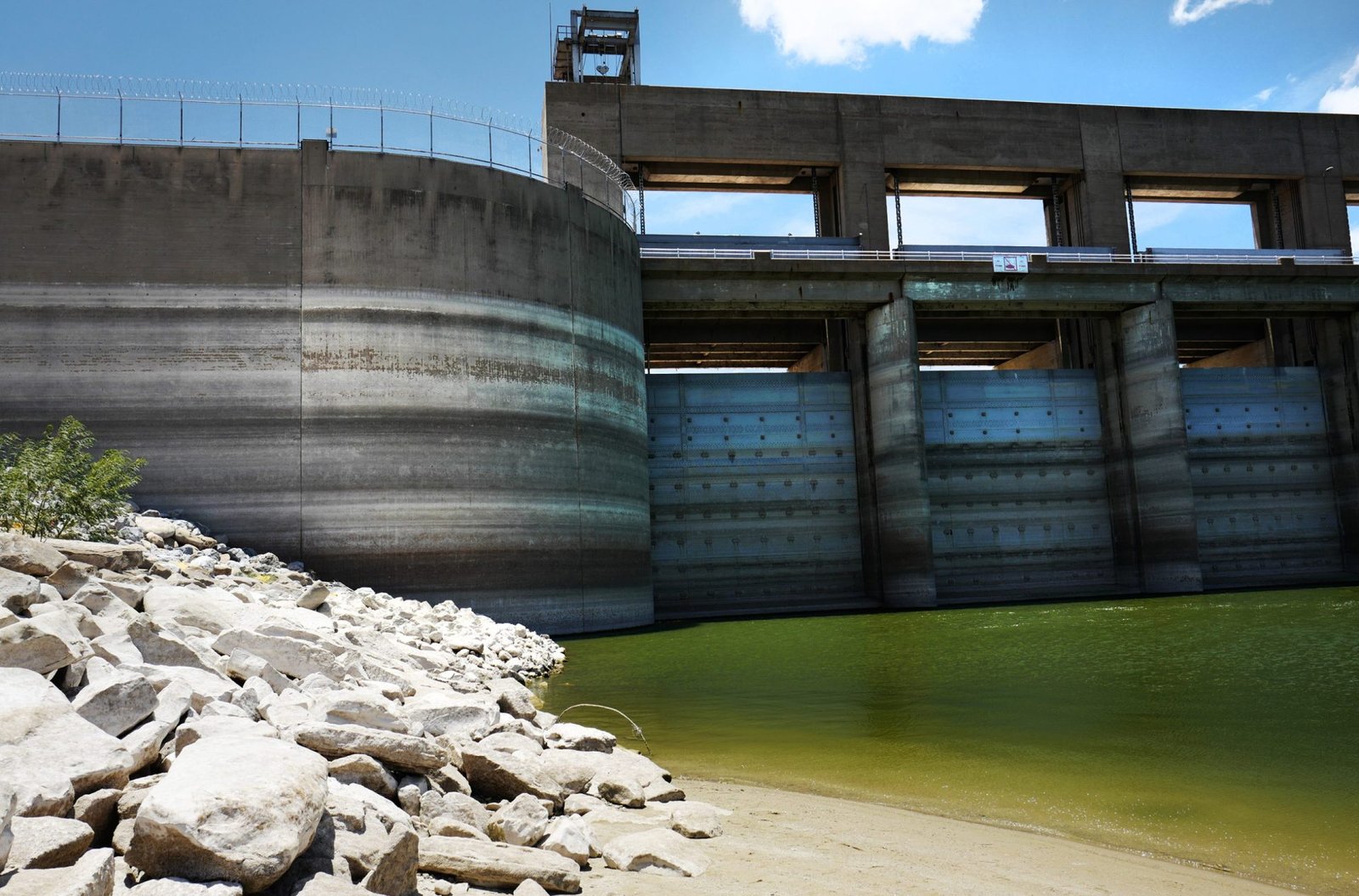
Water Crisis in the Rio Grande Valley: Challenges for Citrus Farmers
Water scarcity is rapidly becoming one of the most pressing issues for farmers in the Rio Grande Valley, particularly for those in the citrus industry. With historic climate and treaty challenges affecting water supply, local agricultural communities face an uncertain future.
The Importance of Water in Agriculture
Water is vital for all agricultural endeavors, especially in regions like the Rio Grande Valley, where the climate can be unforgiving. Dale Murden, president of Texas Citrus Mutual, emphasizes the intrinsic value of water for farming, recalling how his grandmother collected rainwater for her plants. Today, with temperatures soaring above 100 degrees for more than 70 days this summer and rainfall amounts dipping to 25% or less of average, growers are confronted with the stark reality of dwindling water resources.
The Treaty and Its Implications
A significant factor in the valley’s water woes is the 1944 treaty between the United States and Mexico. This treaty mandates that Mexico delivers approximately 1.5 million acre-feet of water over five years from its tributaries feeding the Rio Grande. However, after three years into the current cycle, Mexico is reportedly behind on its commitments, having delivered less than 40% of the required amount, according to Maria Elena Giner, commissioner of the International Boundary and Water Commission (IBWC).
A Long-standing Issue
Murden refers to Mexico’s delays in fulfilling treaty obligations as an "age-old problem." Historical failures to meet the minimum annual delivery often force growers to make significant, and sometimes impossible, planning decisions. This unreliability leaves agricultural communities vulnerable, impacting their financial stability and crop yield.
Current Water Shortages
The situation has worsened to a critical level. In January, growers learned they would only receive sufficient irrigation water for a single application. This dire prediction forces many to reconsider where to focus resources amid a looming drought. Compounding the challenges, September—a month known for potential rainfall—has seen scant precipitation so far. Reservoir storage at Falcon and Amistad has dipped below 25%, presenting a bleak outlook for both immediate farming needs and long-term sustainability.
Consequences for the Citrus Industry
Murden’s industry alone generates about $500 million annually, but the current water shortages threaten to hinder its viability. Concerns are rising that if water deliveries do not improve, the entire citrus sector may face collapse.
Calls for Action
Growers have been vocal about the need for accountability from the Mexican government. Sonny Hinojosa, general manager of Hidalgo County Irrigation District No. 2, asserts that increasing political pressure on Mexico is imperative for securing necessary water flows. Giner echoes these sentiments, having worked on amending treaty terms to ensure reliable water delivery.
Legislative Support
Both state and federal lawmakers have begun to unite on this matter. U.S. Representatives Monica De La Cruz and Henry Cuellar have introduced a bipartisan resolution advocating for effective diplomatic talks with Mexico about treaty compliance. Senator John Cornyn has amplified these concerns, warning that if immediate action is not taken, even basic agricultural operations may halt.
For instance, Cornyn stated that “mission-critical time” is upon us—direct pressure must be applied to ensure water releases according to treaty terms.
The Path Forward
In the medium to long term, Giner and her team aim to complete a new amendment, referred to as a "minute," which could provide a more structured approach to annual water deliveries. However, cultural differences and political dynamics within Mexico complicate these negotiations.
A Community Concern
The reality is that communities on both sides of the border are affected. Farmers in Chihuahua, Mexico, are aware of the water shortages impacting their counterparts in Tamaulipas, suggesting a complex web of interdependencies around water use and distribution.
Conclusion
In summary, the water crisis in the Rio Grande Valley highlights the intricate balance between agricultural needs and international agreements. As local farmers like Murden navigate these challenges, the broader implications for both U.S. and Mexican agriculture require urgent attention and resolution. The need for sustainable practices, prompt political action, and a mutual understanding between neighboring states has never been more critical.
For further information on the ongoing water issues, you can explore resources from IBWC and related agricultural organizations.
