


Water Crisis in the Rio Grande Valley: Urgent Need for Policy Reform
Introduction to the Agricultural Crisis
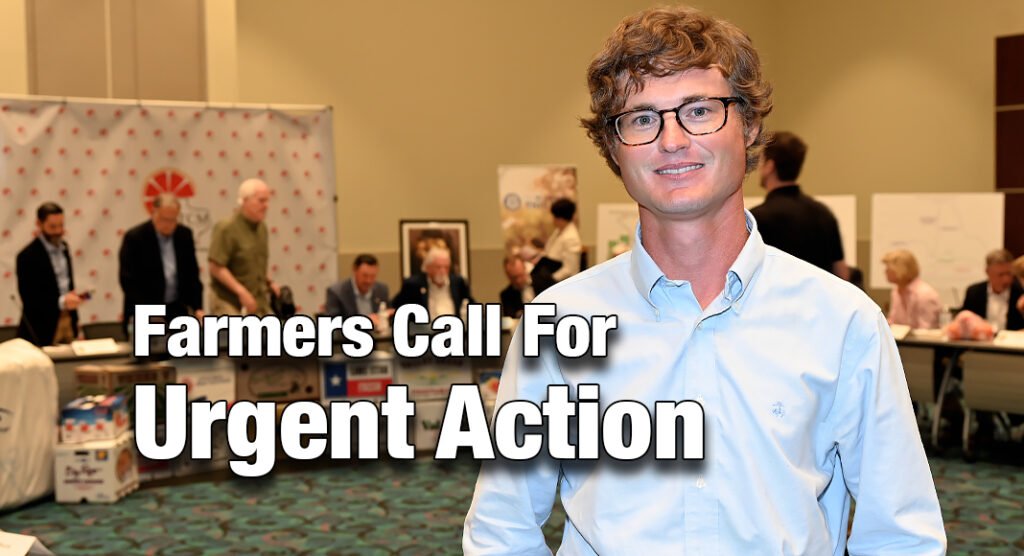
The Rio Grande Valley, a critical agricultural hub in Texas, is facing an unprecedented crisis that threatens the livelihoods of its farmers. The region relies heavily on water resources, particularly under the 1944 Water Treaty with Mexico, which unfortunately has not been honored consistently. Farmers, such as Will Beckwith of Beckwith Produce, are voicing urgent concerns about this situation in light of recent discussions with U.S. Senators John Cornyn and John Boozman.
The Impact of Water Shortages
One of the pivotal topics during a recent roundtable meeting with Senators Cornyn and Boozman was the severe water shortage affecting farmers in the Valley. Beckwith detailed how the lack of reliable water supply has forced many producers to reconsider their farming practices. “In 2020, we started switching to drip irrigation to save our water. It saved a bunch, but it’s $600 an acre to put into your fields,” Beckwith explained. Despite this investment, the rising costs and logistical challenges have led to drastic reductions in cultivated acreage.
Adapting to Water Shortages
Farmers have had to adapt aggressively to these challenges. Beckwith noted, “We’ve had to cut back about 80% of our acres. We can’t grow cotton and grain flood-irrigated.” This reduction poses a serious threat to the Valley’s agricultural output, negatively impacting the local economy.
Infrastructure Failures Compounding the Issue
Beckwith pointed out that the systemic failures in the water delivery infrastructure have further complicated the situation. Despite implementing advanced irrigation methods to conserve resources, the expected savings from these innovations have not materialized. “We had to pump 1800 acre-feet of water to deliver those 400 acre-feet,” he revealed, illustrating the inefficiencies that plague the current water management systems.
The Need for Risk Management Tools
As the conversation progressed, Beckwith expressed disappointment over the lack of effective risk management tools available for farmers. While crop insurance plays a critical role in shielding producers from loss, the lack of water severely undermines its effectiveness. “Risk management goes out the window when there’s no water,” Beckwith lamented, emphasizing the urgency of addressing this gap.
Insufficient Insurance Coverage
Dante Galeazzi, President & CEO of the Texas International Produce Association, echoed Beckwith’s concerns about the limited insurance options available for farmers. “We grow about 60 different fresh produce crops here in the state. Only four of them have insurance,” Galeazzi pointed out, further highlighting the financial vulnerabilities faced by farmers amid ongoing water shortages.
Legislative Action: The Farm Bill
The urgency of this crisis was evident as Senators Cornyn and Boozman called for immediate legislative action on the upcoming Farm Bill. This bill is crucial for addressing some of the pressing issues affecting farmers, including water management and insurance coverage reform. The senators urged Senate Majority Leader Chuck Schumer to prioritize these matters when the Senate reconvenes.
Farmers’ Concerns Must Be Heard
As Beckwith aptly put it, “We’re stuck here right now, and we don’t really have any risk management tools or water to grow crops with.” The voices of farmers in the Rio Grande Valley need to be amplified in legislative halls if the region’s agricultural future is to be salvaged.
Conclusion: The Path Forward
The roundtable discussion underscored the immediate need for comprehensive policy interventions in the Rio Grande Valley. Addressing ineffective water delivery systems, improving infrastructure, and expanding insurance coverage are essential steps to ensuring the sustainability of agriculture in this vital region. Immediate action is vital to secure the livelihoods of those who feed America.
For further reading on agriculture challenges and policies, check out USDA Farm Service Agency and Texas Water Development Board.
This revitalized focus on the agricultural landscape in the Rio Grande Valley serves as a clarion call for the necessary changes to protect the future of farming. Only through concerted effort and policy reform can the water crisis in this region be resolved, securing not just crops, but the livelihood of the communities that depend on them.
