


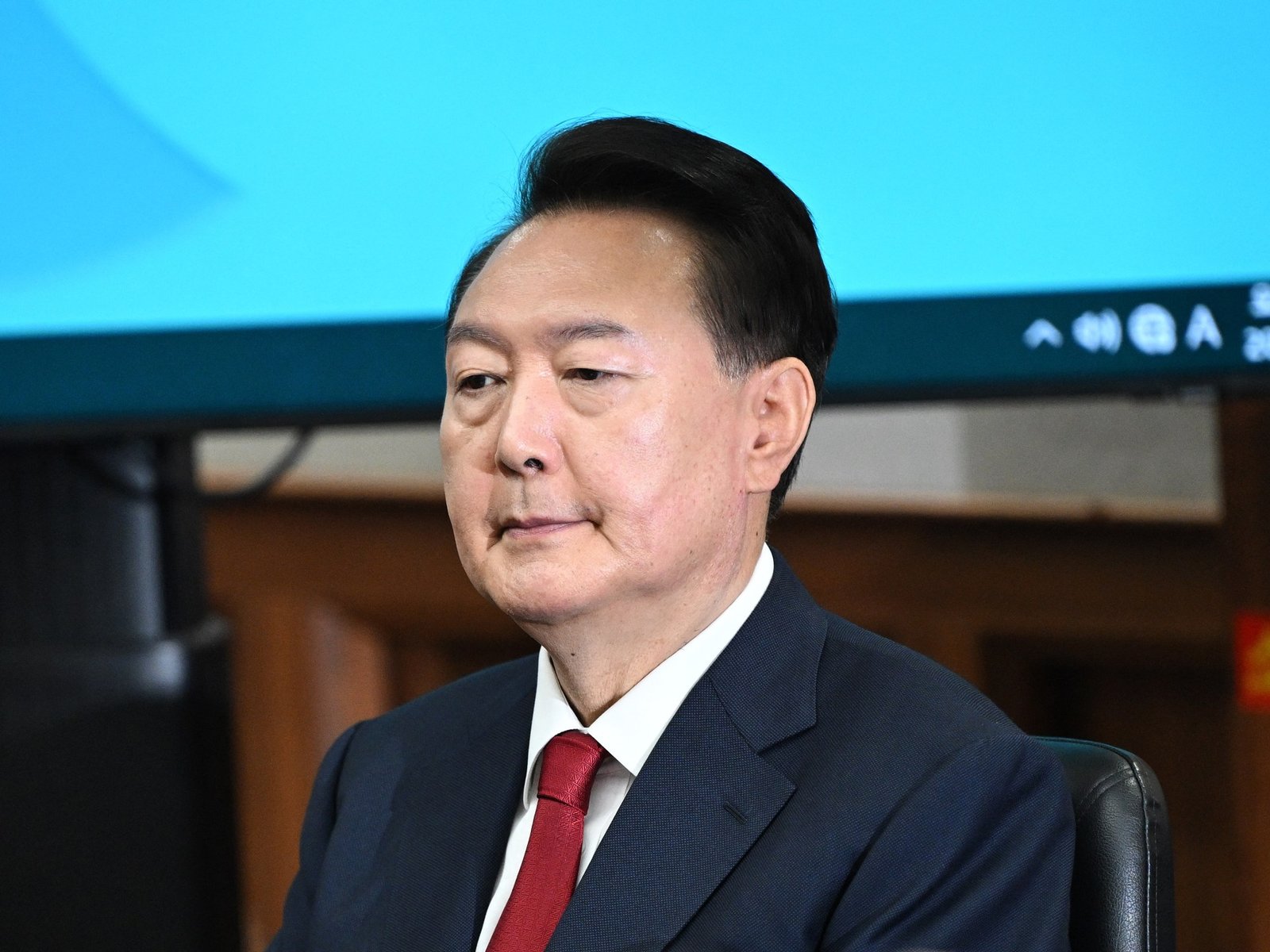
Former South Korean President Sentenced for Obstruction of Justice Related to Martial Law
South Korea’s Former President Yoon Suk Yeol Convicted and Sentenced to Five Years in Prison
A pivotal moment in South Korean politics unfolded recently when a court sentenced former President Yoon Suk Yeol to five years in prison. The verdict comes as a significant consequence of his declaration of martial law in December 2024, and the charges bring to light controversies surrounding his leadership during a tumultuous period in the nation’s history.
Court Findings and Charges Against Yoon Suk Yeol
On January 16, 2026, Yoon was found guilty by Seoul’s Central District Court under multiple charges, including obstructing justice, fabricating official documents, and failing to adhere to the legal procedures associated with imposing martial law. In a decisive statement, Judge Baek Dae-hyun remarked that Yoon had wholly disregarded his obligation to uphold the South Korean Constitution and maintain the rule of law, highlighting the gravity of the former president’s actions.
Key Charges Explained:
- Obstruction of Justice: Yoon obstructed authorities from executing a valid arrest warrant linked to the martial law declaration.
- Fabrication of Documents: This charge pertains to creating false documents to justify the martial law.
- Non-compliance with Legal Procedures: The judicial ruling indicated that Yoon failed to follow the constitutional protocols essential for implementing martial law.
The court strongly emphasized that Yoon’s conduct not only undermined the legal framework but also set a dangerous precedent for governance in a country known for its democratic integrity.
Immediate Reactions and Defense
Following the verdict, Yoon’s legal representative, Yoo Jung-hwa, expressed discontent with the ruling, stating that the decision appeared "politicized." She announced plans to appeal the conviction, asserting that Yoon has consistently maintained his innocence and argued that declaring martial law was within his presidential powers. Yoon claimed his actions were necessary to address significant governmental obstruction by opposition parties.
Support for Yoon
Outside the courthouse, a group of ardent supporters rallied, voicing their disapproval of the ruling. This reaction underlines the polarized viewpoints regarding Yoon’s presidency and the martial law declaration, which sparked widespread protests during his term.
Implications of the Court’s Verdict
The sentencing is just one element of a broader series of legal challenges facing Yoon. He is currently embroiled in an ongoing insurrection trial, where more severe accusations, including the potential for the death penalty, loom. The verdict for the insurrection case is anticipated in February, and how the recent ruling interplays with this upcoming judgment could be critical.
Potential Consequences
- Public Sentiment: The public’s reaction could influence future political dynamics in South Korea.
- Future Legal Proceedings: The ruling sets a precedent that may affect the outcomes of Yoon’s ongoing cases, notably the insurrection trial.
- Political Stability: These events may alter the political landscape significantly, as South Korea has long been regarded as a stable democracy.
Conclusion
The conviction of former President Yoon Suk Yeol marks a significant chapter in South Korean history, spotlighting the boundaries of presidential authority and the resilience of democracy. As Yoon’s legal battles continue, the repercussions of this trial will likely resonate throughout South Korea’s political fabric for years to come.
For more related news, check out Al Jazeera and Yonhap News Agency for updates on this developing story.
