


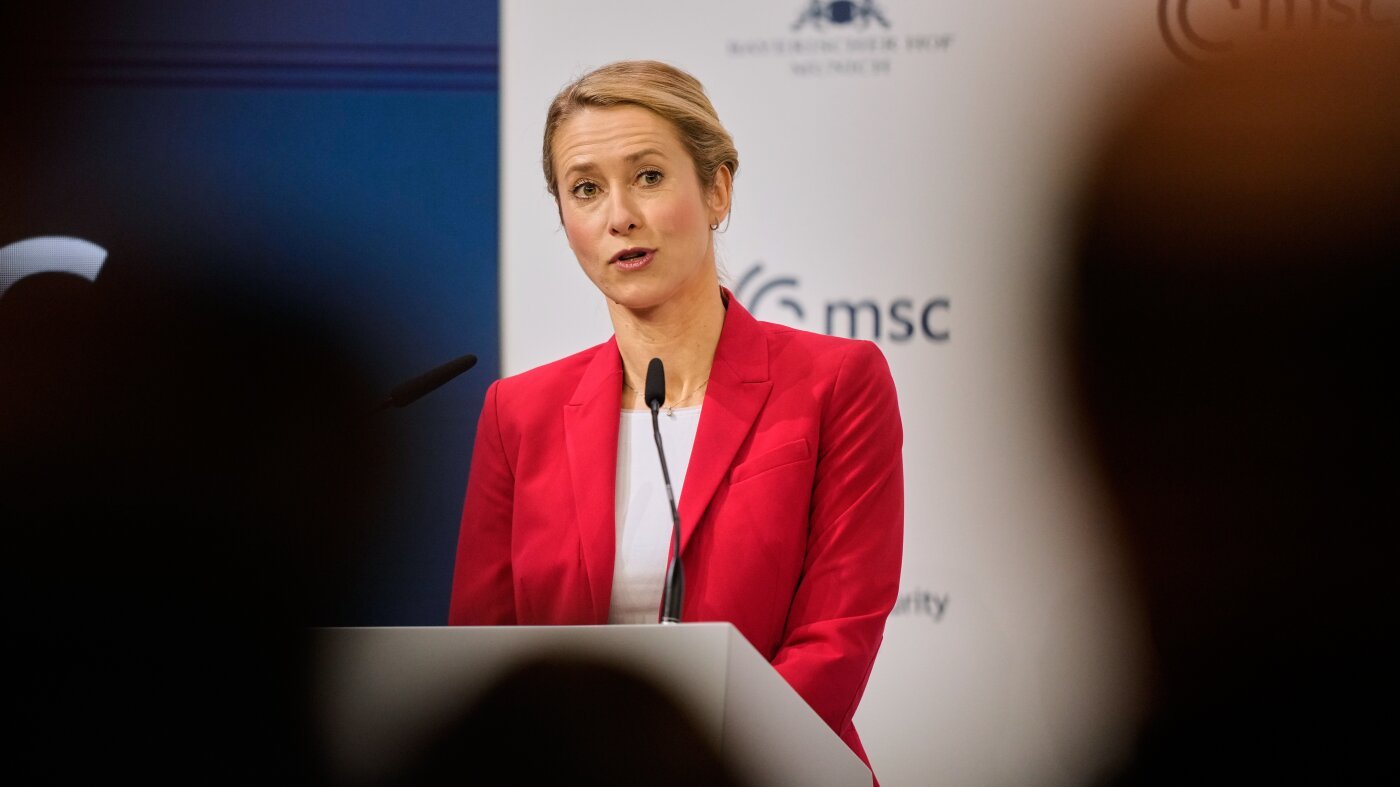
Europe’s Resilience Against Civilizational Erosion: Kaja Kallas at the Munich Security Conference
Introduction
Amidst rising criticisms regarding Europe’s socio-political landscape, European Union foreign policy chief Kaja Kallas delivered a compelling address at the Munich Security Conference, asserting that the continent is not on the brink of "civilizational erasure." Her remarks were particularly pointed following insights from the recent U.S. national security strategy, which suggested that Europe faces significant challenges due to economic stagnation and societal issues.
The Munich Security Conference: A Platform for Dialogue
The Munich Security Conference serves as a pivotal platform for international leaders to discuss pressing security issues. Kaja Kallas spoke shortly after U.S. Secretary of State Marco Rubio, who echoed a more diplomatic tone compared to previous assertions made by the Trump administration. The conference enabled Kallas to counter the narrative that Europe’s cultural and political identity is endangered.
Kallas’s Response to Criticism
Kaja Kallas directly challenged the notion posed by the U.S. national security strategy, which claimed that Europe suffers from declining birth rates, immigration-related dilemmas, and what it termed as a "loss of national identities." Highlighting the persistent interest in EU membership from nations outside Europe, she remarked, "People still want to join our club." This sentiment was substantiated during her visit to Canada last year, where she noted a significant interest among Canadians in EU membership.
The Myths of "Woke, Decadent Europe"
Kallas explicitly rejected the stereotypes often associated with modern European governance. "Contrary to what some may say, woke, decadent Europe is not facing civilizational erasure," she emphasized, defending the continent’s commitment to human rights as a pathway to prosperity. This underscores Europe’s efforts in advocating for global human rights, which ultimately contribute to its strength amid adversity.
Marco Rubio’s Position and U.S.-European Relations
In his address, Marco Rubio affirmed that the dissolution of the trans-Atlantic relationship is neither a goal nor a wish for the U.S. He alluded to the historical bonds that tie Europe and North America together, stating, "Our home may be in the Western hemisphere, but we will always be a child of Europe." However, he underscored the Trump administration’s unwavering stance on migration, trade, and climate policies, signaling that these issues will continue to challenge U.S.-European relations.
Mutual Respect Amidst Differences
Despite acknowledged differences, Kallas expressed optimism about the potential for collaborative engagement. "We don’t see eye to eye on all the issues," she stated, recognizing the complexities within international relations, but also emphasized the importance of working through these issues collaboratively.
The Call for Unity in Diversity
British Prime Minister Keir Starmer reinforced Kallas’s message, advocating for the defense of Europe’s vibrant, diverse societies. He articulated that the coexistence of varied cultures and backgrounds is not only a necessity but a strength. This outlook aligns with Kallas’s belief that the defense of human rights is essential for both societal integrity and economic prosperity.
Conclusion
Kaja Kallas’s powerful statements at the Munich Security Conference highlighted Europe’s position against narratives of decline. Through her compelling defense of human rights and the shared values between Europe and the U.S., she articulated a vision of resilience and cooperation and reflected the enduring strength of the trans-Atlantic alliance. As both continents navigate their challenges, the mutual respect and commitment to uphold democratic values will be crucial in shaping a collaborative future.
For further insights on international relations and security policies, consider exploring related topics on NATO and the current geopolitical landscape impacted by globalization.
