


Early Start to Irrigation Season: The Impact of Climate on Agriculture in the San Luis Valley
As spring arrives, agricultural producers in the San Luis Valley are gearing up for the irrigation season, which is set to begin earlier than usual this year. With record-setting temperatures and an unusually low snowpack, farmers are adapting to the changing climate in meaningful ways.
Climate Changes Prompt Early Irrigation
Craig Cotten, the Division 3 Engineer for the Colorado Division of Water Resources, has announced a staged approach to the water year for those in the Upper Rio Grande Basin. The irrigation season kicks off on March 16 for various areas, including the Conejos River and Culebra Creek regions. This early start is aimed at maximizing water usage during a period when streamflows are noticeably increasing due to warmer weather conditions.
“I decided to start the irrigation season earlier than the presumptive April 1 date for many valley areas due to the very warm, dry spring and the low current snowpack,” Cotten stated in a correspondence with Alamosa Citizen.
Regional Breakdown of Irrigation Dates
-
March 16: Irrigation begins in:
- Conejos River Area (Water District 22)
- Culebra Creek Area (Water District 24)
- Trinchera Creek Area (Water District 35)
- La Jara Creek Area
- March 23: Surface and groundwater irrigation for:
- Rio Grande Area (Water District 20)
This strategic start is not only beneficial for producers but is also crucial for managing water effectively, especially given Colorado’s commitments to interstate water compacts.
Unusual Weather Patterns in March
Recent climate data indicates an alarming trend in March, with 21 of the 31 days breaking previous temperature records since 2004. As we expect warm daytime highs nearing the mid-70s leading into spring, the implications for agriculture cannot be overstated. This warming trend thus necessitates timely irrigation for crop survival and yields.
March opened with consecutive record highs, fueling a pressing need for an early start to the irrigation season.
Water Management and Future Implications
In Colorado, it’s projected that the state will meet its compact obligations without requiring additional water deliveries during this irrigation season. Cotten’s strategic timing for beginning irrigation is designed to prevent an over-delivery of water to the state line, thereby ensuring ongoing compliance with regional water agreements.
In regions like the Upper Rio Grande, snowpack monitoring reveals an early melt-out phenomenon, suggesting potential challenges for water security in the future. Farmers and agricultural managers are urged to remain vigilant as climatic shifts may lead to more erratic weather patterns, necessitating adjustments in irrigation strategies.
The Bigger Picture: Water Use in the Rio Grande Basin
A comprehensive examination of water use trends in both the U.S. and Mexico reveals challenges tied to overconsumption within the Rio Grande-Bravo basin. The long-term sustainability of this critical water resource is under increasing threat, emphasizing the need for diplomatic water management across borders.
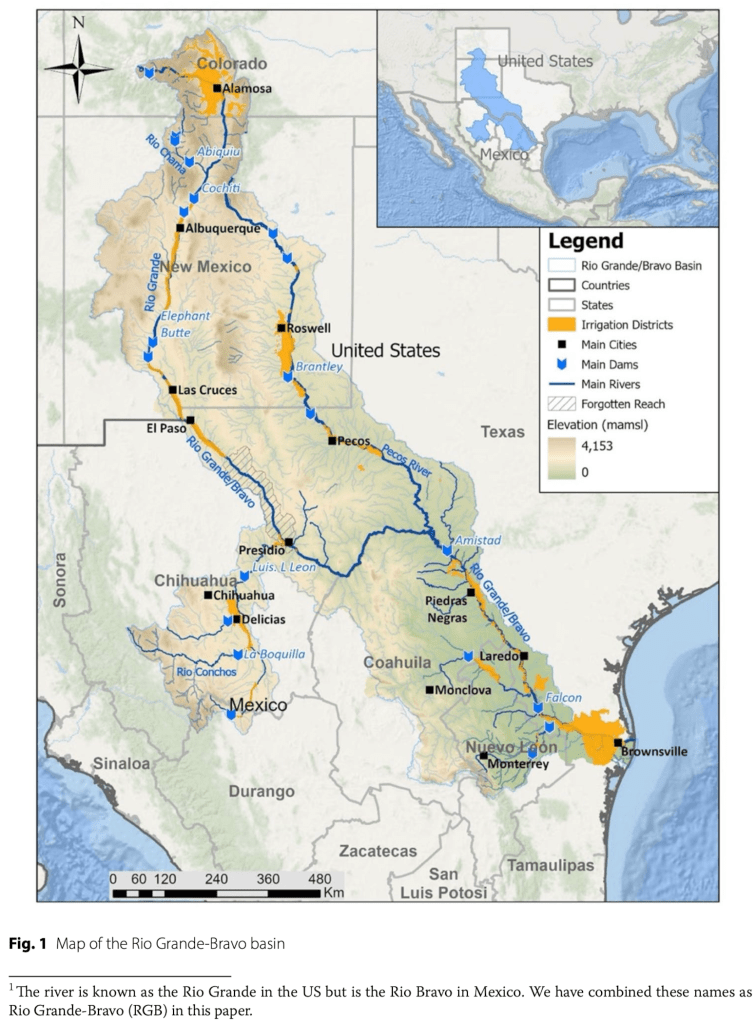
As climate variability continues to shape agricultural practices, understanding water rights and efficient usage will be pivotal for both current and future agricultural endeavors.
Conclusion: Adaptation in Agriculture
The early onset of the irrigation season in the San Luis Valley marks a critical moment for agriculture in the face of climate change. Farmers must remain agile in their water management techniques, adapting to new normals characterized by warmer temperatures and a fluctuating snowpack. By embracing innovative practices and staying informed about water usage trends, agricultural producers can continue to thrive in a changing climate.
For further details on irrigation strategies and water management, explore articles available on Water Resources.
This approach effectively addresses the need for timely irrigation in light of new climate challenges while providing a structured and appealing article for readers.
