


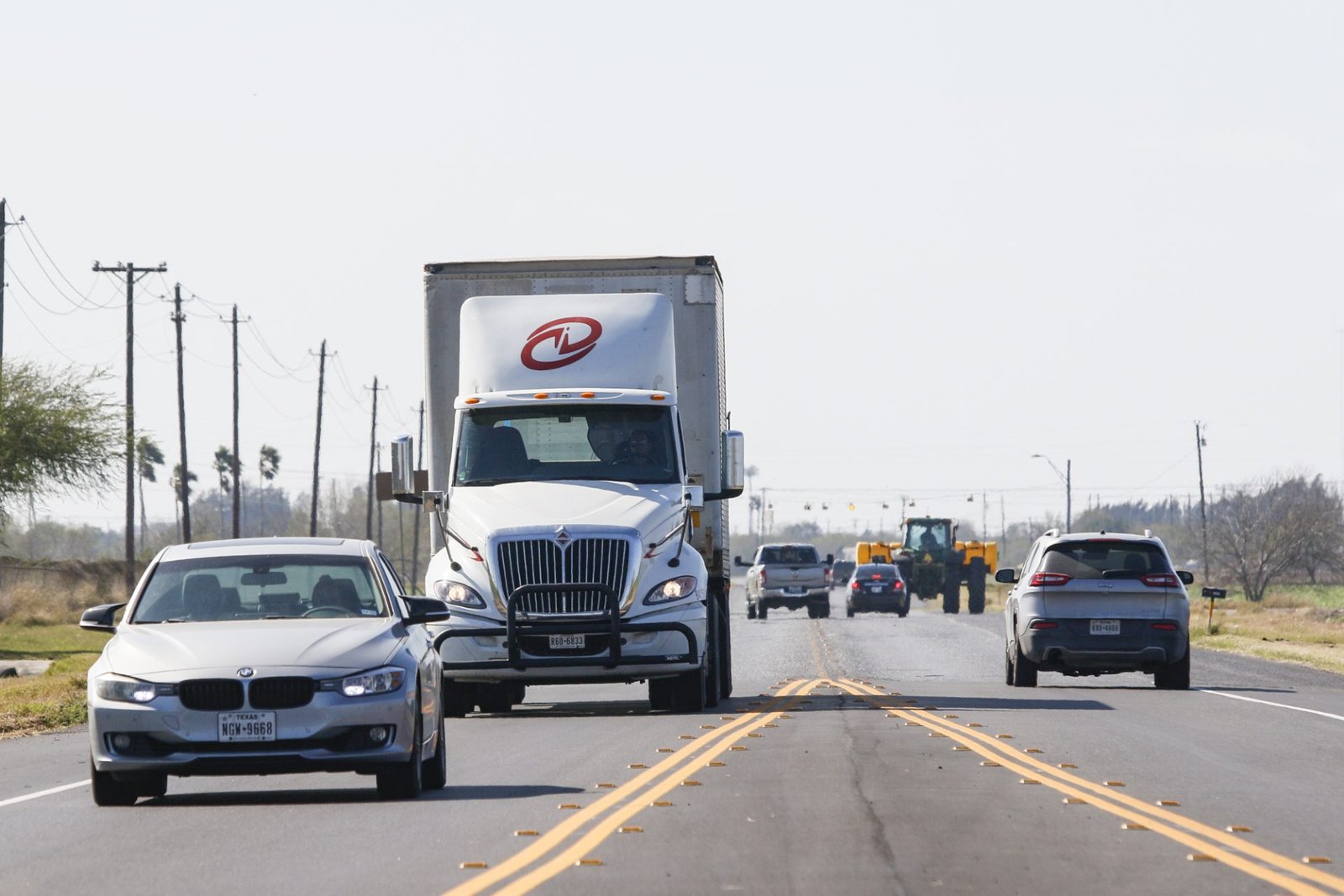
Texas Transportation Program Hits Historic Milestone: A $100 Billion Investment
The Texas Department of Transportation (TxDOT) has reached a significant milestone, surpassing $100 billion in its ten-year Unified Transportation Program (UTP) for the first time in history. This unprecedented funding level reflects Texas’s rapid economic growth and population surge, as more people flock to the Lone Star State for work and residence.
A Commitment to Transportation Safety and Infrastructure
In a historic decision last month, the Texas Transportation Commission, led by Governor Greg Abbott, approved this record funding amount. The commission’s continued commitment aims to enhance transportation safety, alleviate congestion, and improve rural connectivity. This investment is also crucial for maintaining the extensive network of roadways that Texans rely on daily.
The Impact of Population Growth on Transportation
As the Rio Grande Valley continues to experience a population boom, the urgent need for regional infrastructure projects is palpable. The UTP not only represents a financial figure but also signifies a commitment to improving the quality of life for residents.
In the TxDOT Pharr District alone, around $3.6 billion is earmarked for projects over the next decade—a substantial increase from the $2.5 billion allocated in the previous UTP. This capital will focus on providing alternative travel routes along Interstate 2 (U.S. Highway 83) to help ease congestion.
Key Projects on the Horizon
Among significant developments, Governor Abbott highlighted the allocation of $150 million in the UTP to facilitate the construction of the International Bridge Trade Corridor (IBTC) project in the Rio Grande Valley. The IBTC will be a non-tolled, four-lane divided roadway, designed to improve access for several international ports of entry and expedite freight transportation.
Additional Priority Initiatives in the TxDOT Pharr District
-
State Highway 32 East Loop: This project aims to link the Port of Brownsville to the Veterans International Bridge, effectively moving oversized trucks away from downtown Brownsville, thus enhancing local safety and mobility.
-
Upgrades to Interstate 69E (U.S. 77): Continuing from previous enhancements, these upgrades will be implemented from south to north, addressing longstanding traffic issues.
-
Improvements to Interstate 69C (U.S. 281): Upgrades in Hidalgo County, reaching up to the Hidalgo-Brooks County line, are also moving forward.
-
Development of State Highway 68: This project provides an alternative north-south route to I-69C and I-69E, serving as a potential evacuation route during emergencies.
- State Loop 195 in Starr County: This relief route from Roma to Rio Grande City will be constructed in three segments, ensuring increased accessibility in the region.
Responding to Community Needs
Grounded in a commitment to serving the community, TxDOT recognizes that transportation is a cornerstone of economic development in Texas. Investments in infrastructure are pivotal to attracting and sustaining businesses, thereby fostering economic growth across the state.
By engaging with community leaders and exploring the needs at all levels, the commission seeks to ensure that funding effectively addresses the unique challenges faced by different regions.
Planning for the Future
As Texas continues to grow, the urgency for thoughtful planning and timely execution of transportation projects couldn’t be clearer. The Texas Transportation Commission is dedicated to its mission of connecting people and places, making it essential for stakeholders to remain engaged and informed on upcoming projects.
Conclusion
With the historic $100 billion investment in the Unified Transportation Program, Texas is poised for a comprehensive evolution in its transportation landscape, benefiting all Texans in the coming years. This landmark initiative not only enhances infrastructure but also signifies a commitment to a prosperous future, ensuring that Texas remains a top choice for individuals and businesses alike.
For more information about the vast array of projects underway and the specific details of funding allocations, visit the Texas Department of Transportation website.
