


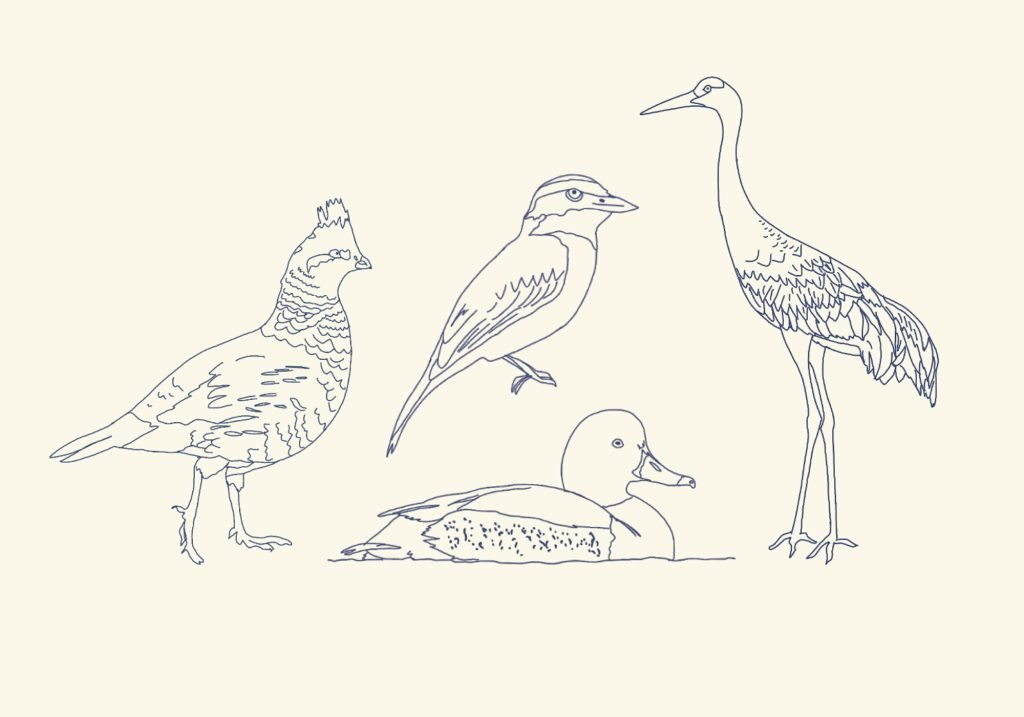
Winter Birding Hot Spots in Texas: Discovering Avian Wonders in the Rio Grande Valley, Coastal Bend, Upper Coast, and Big Bend
Winter in Texas is a thrilling time for birdwatchers, as species from various regions flock to the state’s diverse habitats. The best birding locations during this period—primarily January and February—are the Rio Grande Valley (RGV), the Coastal Bend, the Upper Coast, and Big Bend National Park. These regions offer a unique opportunity to observe both common species and rare avian visitors.
Rio Grande Valley: A Seasonal Paradise for Bird Enthusiasts
Diverse Species Selection
The Rio Grande Valley stands out as a premier winter birding destination. The area’s relatively small geographical size hosts an astonishing variety of bird species. Notably, numerous neotropical species find a home here during the colder months. Bird watchers may encounter:
- Green Jay: A hallmark of the region.
- Great Kiskadee: A colorful addition to the local ecosystem.
- Chachalaca: Known for its distinct calls.
- Altamira and Audubon’s Orioles: Strikingly vibrant against the backdrop of winter.
January and February mark the peak of birdwatching in the RGV, making it an ideal time to explore the area’s rich avifauna. During this period, local specialty birds are easily observable, as they are yet to start their nesting behaviors, allowing for optimum viewing conditions for bird enthusiasts.
Migratory Wonders
In addition to local residents, several Mexican rarities frequently wander into South Texas, particularly during cold fronts that affect nearby mountainous areas. These include:
- Crimson-collared Grosbeaks
- Golden-crowned Warblers
- Blue Buntings
- Rose-throated Becards
When food becomes scarce higher up, these species migrate to lower elevations, adding excitement and variety to winter birding in the valley.
Coastal Bend: A Shoreline Spectacle
Abundant Avian Life
The Coastal Bend area from Padre Island to Port O’Connor presents another remarkable birding opportunity, particularly for shorebirds, waterfowl, and raptors. These coastal ecosystems are teeming with life, and notable sightings include:
- Whooping Cranes: The iconic winter resident, best seen near The Big Tree in Lamar.
- Sandhill Cranes: Often seen alongside their whooping counterparts.
- Various Duck Species: Thousands of ducks can be observed across wetland areas.
- White Pelicans: Their impressive wingspan makes them a favorite among bird watchers.
Raptors and Other Unique Species
The region is also a haven for raptors during winter. Observers can expect to see species like Peregrine Falcons, American Kestrels, and the elegant Northern Harrier. A notable success story is the aplomado falcon, with nesting pairs successfully fledging chicks in recent years on Mustang and Padre Islands.
Upper Coast: A Treasure Trove of Waterfowl and Rare Birds
Seasonal Avian Sightings
The Upper Coast of Texas, particularly the Houston area, offers a winter haven for diverse birdlife. Each year, various species make their temporary home here, including:
- Yellow-rumped Warblers: Abundant in various habitats.
- Mountain Bluebirds: Rare sightings add excitement for avid birders.
Waterfowl populations are particularly high, with numerous lakes and wetlands providing critical habitats. Observing a wide array of species in this area is a rewarding experience for bird enthusiasts.
Big Bend: A Unique Winter Nest
A Brief but Bountiful Season
In Big Bend, winter tends to be fleeting, but it remains a noteworthy period for birdwatching. As early spring approaches, overwintering migrants, such as various ducks, geese, and shorebirds, will soon be joined by the first wave of spring migrants.
Birds commonly seen in this region during winter include:
- Scaled Quail
- Greater Roadrunner
- Vermilion Flycatcher
- Sparrows: Over 10 different species can be spotted, including Green-tailed Towhees and Lincoln’s Sparrows.
Special Attention for Sparrow Enthusiasts
Sparrows, often overlooked, are a special attraction for Texas birders in the Big Bend area. The diverse species of sparrows that winter here provide an exciting challenge for dedicated birdwatchers.
Conclusion: Embrace Winter Birding in Texas
Texas offers an exceptional diversity of habitats for birding during the winter months. From the lush landscapes of the Rio Grande Valley to the coastal ecosystems along the Gulf and the rugged terrain of Big Bend, each region provides unique birdwatching opportunities. With a suitable climate, an array of resident and migratory species, and vibrant ecosystems, January and February are prime months to experience the avian wonders that Texas has to offer.
For more information on birdwatching locations and species in Texas, visit Texas Parks & Wildlife for comprehensive resources and helpful tips on making the most of your birding adventures.
