


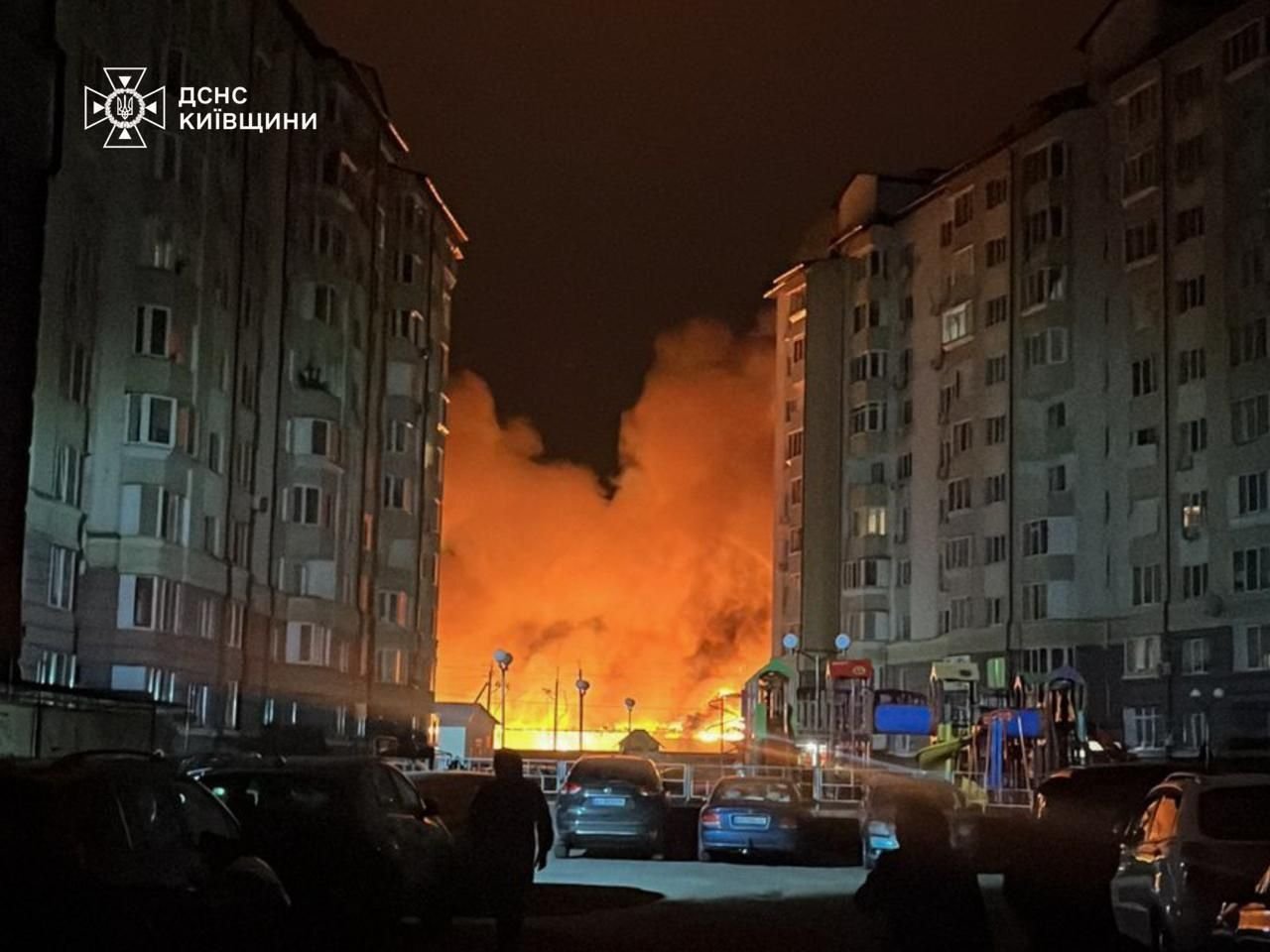
Recent Escalation in Ukraine: A Comprehensive Overview of the December 6 Attacks
Overview of the Attack
In the early hours of December 6, a significant Russian missile and drone assault targeted Ukraine’s critical energy infrastructure. This coordinated attack involved the launch of over 700 missiles and drones aimed at various installations, including substations and generation facilities. Notably, one of the power lines supplying the Zaporizhzhia nuclear power plant was disconnected during the onslaught.
Scale of the Assault
According to reports from Ukraine’s Air Force, the assault included 653 Shahed-type attack drones, along with 36 cruise missiles and 17 ballistic missiles, which resulted in 60 strikes across 29 different locations in Ukraine. These strikes were primarily concentrated on energy infrastructure, as highlighted by Ukrainian President Volodymyr Zelensky, who stated that the intention behind these attacks was to inflict harm on the civilian population during a significant holiday period.
Impact on Energy Infrastructure
Damage to Critical Facilities
The attacks caused widespread damage to electricity generation, distribution, and transmission facilities in several regions, including Kyiv, Chernihiv, Lviv, Zaporizhzhia, and Kharkiv. Vitaliy Zaichenko, the head of Ukraine’s state grid operator Ukrenergo, described the impact on Ukraine’s power system as "quite severe". The strikes specifically damaged Ukrenergo’s substations and generation facilities, leading to operational restrictions on nuclear power plants across the country.
Nuclear Safety Concerns
During the attack, the Zaporizhzhia nuclear plant lost all off-site power for a half-hour—a concerning incident that marks the 11th occurrence of power loss since the onset of the full-scale invasion. Although the 330 kilovolt line was eventually reconnected, the 750 kilovolt line remains non-operational, raising safety concerns among international bodies such as the International Atomic Energy Agency (IAEA).
Civilian Impact and Casualties
Injuries and Damage Reports
The missile and drone strikes resulted in at least eight civilian injuries, with three occurring in Kyiv Oblast, alongside additional casualties reported in Dnipropetrovsk and Lviv Oblasts. Ihor Klymenko, Ukraine’s Interior Minister, provided updates on the injuries, including shrapnel wounds inflicted on residents in various regions.
In Fastiv, located southwest of Kyiv, civilians reported that the city’s main train station had been struck, leading Ukraine’s railway authority to describe the strikes as a "massive shelling of railway infrastructure". Additionally, regional governors confirmed that attacks had caused significant fires in various sectors, including residential areas and essential infrastructure.
Fires and Further Damage
Fires broke out in multiple regions due to strikes on warehouses in cities such as Dnipro and Bila Tserkva, focused on food and medical supply storage. In response to the ongoing threat, Poland’s Air Force scrambled fighter jets to secure its airspace amid concerns of escalation from the east.
Broader Context and Future Implications
Ongoing Threats
As the conflict continues, Russian forces have intensified attacks on Kyiv and surrounding areas, reflecting a broader strategy amidst ongoing US negotiations aimed at resolving the conflict in Ukraine. This latest assault marks the sixth mass attack since October and underscores the urgent need for increased security measures and effective response strategies to protect civilians and critical infrastructure.
Conclusion
The December 6 attacks represent a low point in the ongoing conflict, impacting not only Ukraine’s energy security but also the safety and wellbeing of its civilians. As the situation evolves, continued vigilance and international support remain crucial for Ukraine to navigate these challenges effectively.
For updates on the situation, visit the Kyiv Independent and follow live developments regarding the ongoing conflict.
