


Denmark Sets Bold Precedent: Ban on Social Media for Under-15s
In a significant policy shift aiming to protect its youth in the digital landscape, the Danish government has unveiled plans to ban access to social media for individuals under 15 years old. This move highlights increasing concerns regarding the impact of social media on children, who are increasingly vulnerable to potentially harmful content and commercial exploitation.
Legislative Framework: A Gradual Approach
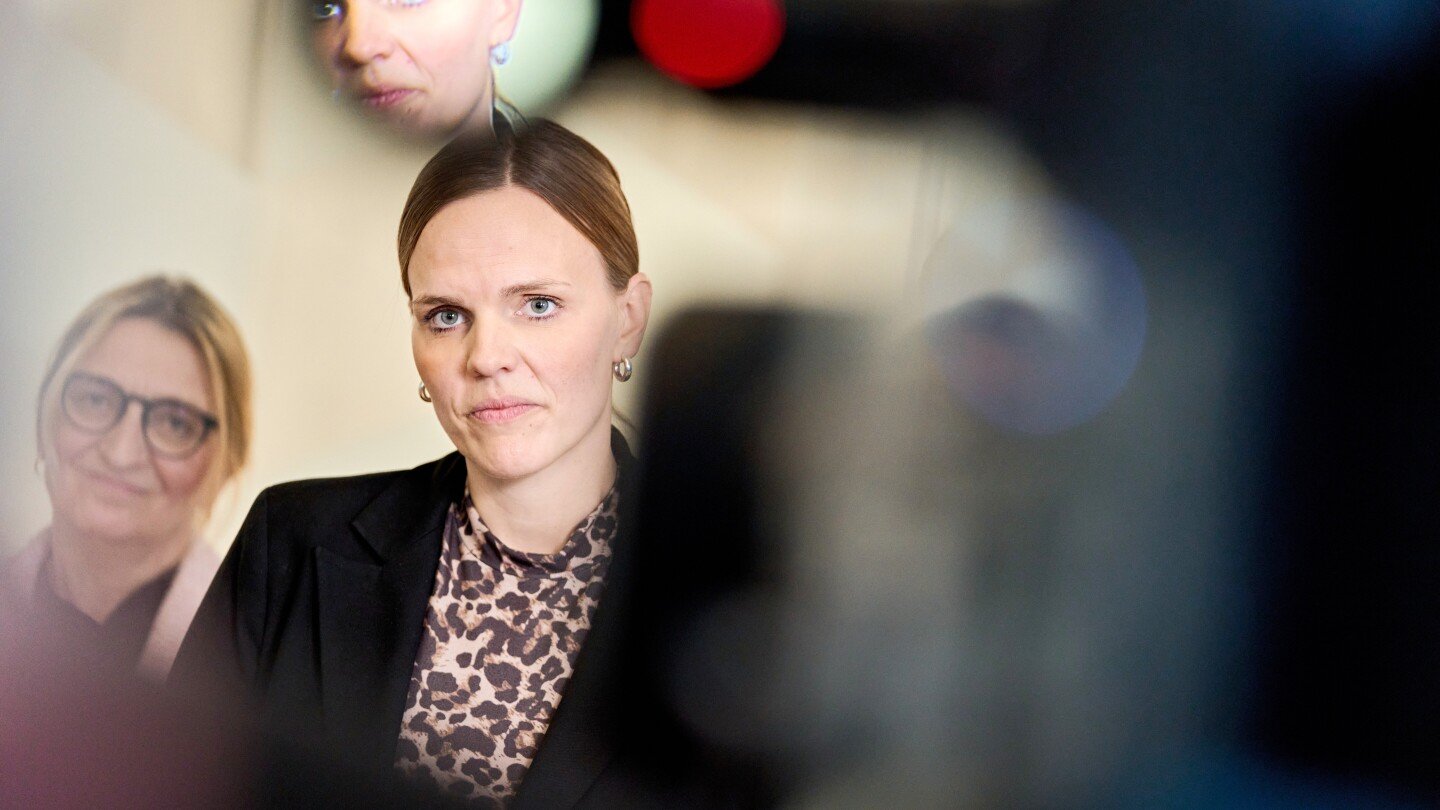
Denmark’s Minister for Digital Affairs, Caroline Stage, emphasized that this new regulation will not be rushed. Lawmakers across Denmark’s political spectrum are expected to take several months to draft comprehensive legislation. “We will ensure that the regulation is right and that there are no loopholes for the tech giants to exploit,” Stage stated, acknowledging the overwhelming influence of Big Tech’s business models.
This announcement follows a similar initiative in Australia, where lawmakers enacted the world’s first social media ban for children, placing the minimum age at 16. Under this Australian law, platforms like TikTok and Facebook would face fines up to 50 million Australian dollars ($33 million) if they fail to prevent users under the age limit from creating accounts.
Age Verification Technologies: A Focus on Implementation
The Danish government is still delineating how to enforce the ban effectively. While several platforms already restrict access for users under 13, enforcement has proven challenging. The Danish Ministry of Digital Affairs is exploring the deployment of an age-verification app, capitalizing on the country’s national electronic ID system, which almost all citizens over the age of 13 possess.
While it remains uncertain if tech companies will adopt this app, the government is determined to hold them accountable. Non-compliance may lead to sanctions enforced by the European Commission, which could incur penalties up to 6% of a company’s global income.
Protecting Our Youth: The Rationale Behind the Ban
As technology continues to permeate everyday life, the necessity for protective measures becomes paramount. Caroline Stage pointed out that 94% of Danish children under 13 have online profiles, with alarming statistics revealing that over half of children under 10 are also engaged on these platforms.
"The amount of violence and self-harm that they are exposed to online poses a substantial risk to our children," Stage remarked. She criticized tech giants for failing to allocate sufficient resources toward ensuring online safety for younger users, despite their substantial financial capabilities.
In an international context, many nations, including China, have imposed limits on online gaming and smartphone usage for minors in response to similar concerns, indicating a global awareness of the challenges posed by digital technology.
Digital Relationships and Mental Health: A Growing Concern
Recent investigations in countries like France have raised alarms about social media platforms, such as TikTok, allegedly promoting harmful behaviors like suicide among vulnerable youth. As children and adolescents frequently interact online, they risk disrupting their sleep, compromising their focus, and facing immense pressure from digital relationships devoid of adult supervision.
The Danish Ministry echoed these sentiments, stating, "This is a development that no parent, teacher, or educator can stop alone," signifying the collective responsibility to safeguard youth in a digitized world.
EU Regulations and Future Implications
Denmark’s new regulatory framework aligns with the EU’s Digital Services Act, which prohibits users under 13 from maintaining accounts on popular social media platforms such as TikTok and Instagram. This initiative sets a critical precedent within the European Union as it works to protect its younger population from the unregulated tide of harmful online content.
Conclusion: A Turning Point in Digital Governance
As Denmark prepares to implement this groundbreaking legislation, it signals a turning point in how governments worldwide may approach the digital landscape concerning the welfare of children. By proactively stepping in to regulate social media access, Denmark is asserting its commitment to safeguarding the online experiences of its youth.
Innovative measures, stringent enforcement, and international cooperation will be essential as governments navigate the complexities of digital governance. The spotlight is now on the tech giants to play a responsible role in ensuring a safer virtual environment for everyone, especially the most vulnerable: our children.
For insights into social media safety and ongoing developments, visit Common Sense Media and learn how to better protect young users in an increasingly digital world.
