


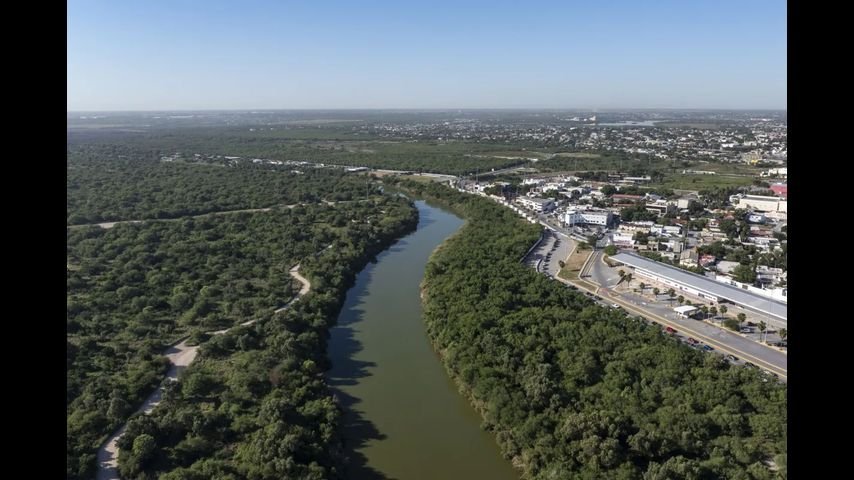
The Water Crisis Between Texas and Mexico: Legislative Actions and Implications
Understanding the 1944 Water Treaty
The ongoing water dispute between Texas and Mexico stems from a critical agreement known as the 1944 Water Treaty, which outlines the responsibilities of both nations regarding water shares from the Colorado River and its tributaries. Under this treaty, the United States is obligated to deliver 1,500,000 acre-feet of water each year to Mexico. In return, Mexico must supply 1,750,000 acre-feet of water to the U.S. over a five-year period, averaging 350,000 acre-feet annually.
Recent Developments in Water Deliveries
Despite the treaty’s stipulations, recent years have seen significant challenges in water delivery from Mexico. Following the completion of the latest five-year cycle on October 24, Mexico fell short by 865,136 acre-feet due to prolonged drought conditions. The inability to meet water obligations has generated considerable frustration among Texas farmers and ranchers, particularly in the Rio Grande Valley, where water scarcity directly affects agricultural productivity.
Legislative Measures Proposed
In response to the ongoing crisis, U.S. Senators Ted Cruz and John Cornyn introduced legislation aimed at limiting engagement with Mexico in various sectors, especially where U.S. water resources are involved. The proposed bill seeks to enforce minimum annual water delivery requirements, ensuring that Mexico adheres to its treaty obligations rather than accumulating debt that can be settled in future years.
Impact on Agriculture
The water shortages have had a damaging effect on local agriculture. Reservoir levels in the region are alarmingly low, attributed to insufficient rainfall and delayed water deliveries from Mexico. When such shortages arise, irrigation supplies are often the first to be curtailed, jeopardizing crops and livestock. Notably, the decline in water availability has led to the shutdown of the last sugar mill in Santa Rosa, Texas, highlighting the severe economic ramifications for local communities.
Enforcing Accountability
Cruz underscored the necessity of these legislative actions, stating that the Mexican government has repeatedly exploited the treaty structure to delay water deliveries. He emphasized the need for regular, reliable water deliveries to safeguard the interests of Texas farmers and ranchers.
The proposed bill mandates that the U.S. Secretary of State submit a comprehensive report to Congress within 180 days of enactment. This report will assess Mexico’s compliance with its water delivery obligations and examine whether it can fulfill the total 1,750,000 acre-feet requirement by the next five-year evaluation.
Strategic Economic Considerations
In addition to ensuring water delivery, the legislation allows the U.S. President to halt engagement with specific economic sectors in Mexico that benefit from U.S. water resources. However, exceptions may be made for engagements tied to national interests, particularly concerning drug trafficking prevention efforts.
Next Steps and Congressional Support
This policy initiative has garnered backing from various members of the Texas congressional delegation, including Representatives Monica De La Cruz and Henry Cuellar. They emphasize the importance of incorporating water treaty compliance discussions in broader trade talks, especially with the upcoming review of the U.S.-Mexico-Canada Agreement.
Senator Cornyn expressed pride in collaborating on the legislation, aiming to exert pressure on Mexico to meet its treaty obligations and guarantee the water needed by South Texas farming communities.
Looking Ahead
With proposed enforcement mechanisms potentially accelerating accountability, the legislation aims to mitigate the impacts of water shortages. As Cruz noted, without robust congressional pressure, Mexico is unlikely to meet its obligations anytime soon.
For further information on the complexities of international water treaties and their implications on agriculture, consider exploring The Texas Tribune and related resources.
Conclusion
The water crisis between Texas and Mexico underscores the urgent need for action and accountability in international agreements. As legislators seek to address these challenges, the agricultural communities of South Texas remain hopeful for resolution and stability in water resources.
