


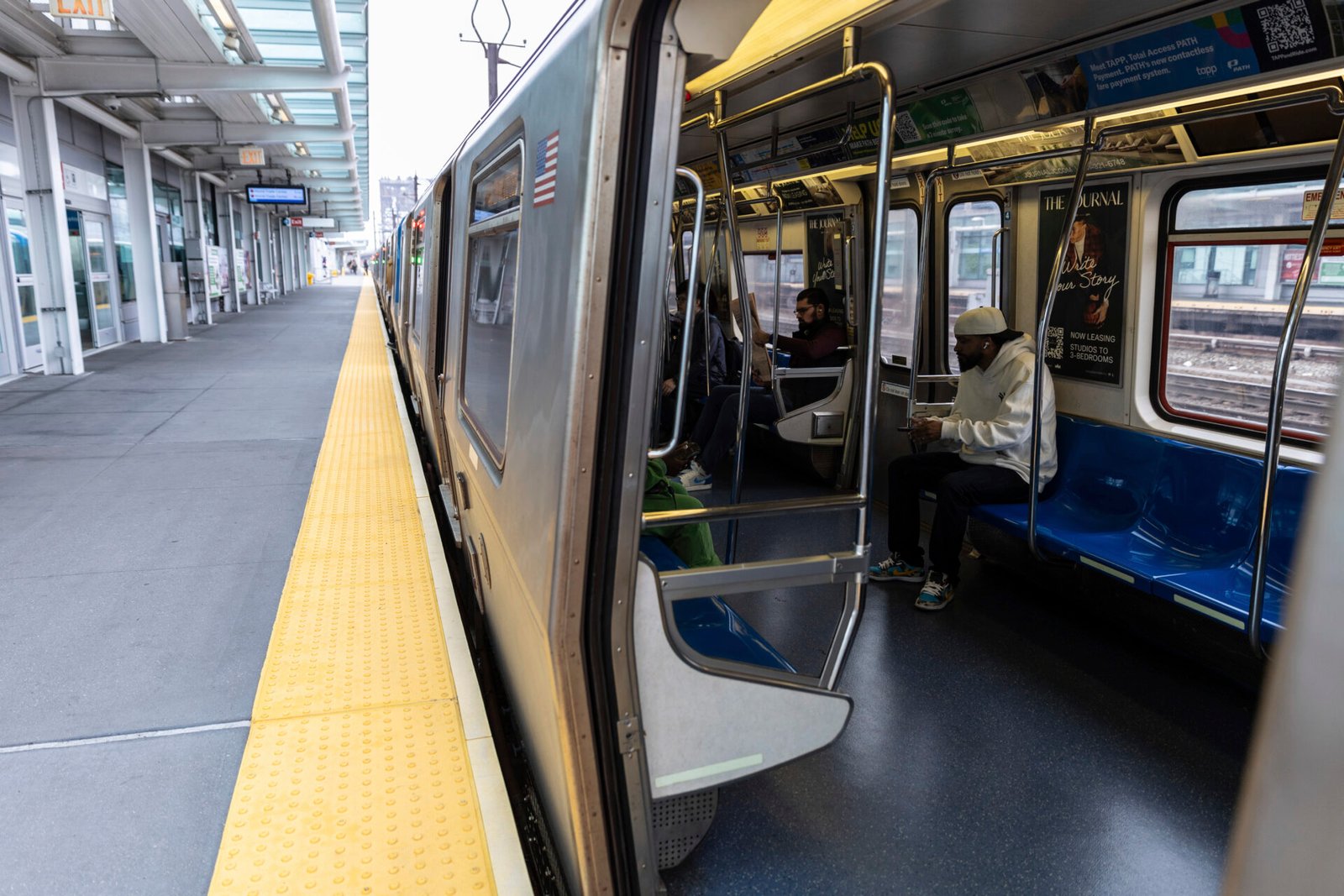
The Vision for a Commuter Rail System in the Rio Grande Valley
The idea of establishing a commuter rail system in the Rio Grande Valley (RGV) has been discussed for years, but recent developments show that local officials and business leaders are starting to take tangible steps toward making this dream a reality. This ambitious project is spearheaded by a newly formed group, RGV Rail Advocates, which aims to promote the initiative through an upcoming two-day conference at the end of January.
Key Concepts of the Proposed Rail System
According to preliminary information released by RGV Rail Advocates, the proposed commuter rail system will feature three distinct lines running from Brownsville to Rio Grande City. The long-term vision includes extending these routes to major Texas cities like San Antonio, Houston, and Dallas.
Funding the Project
To finance this ambitious undertaking, RGV Rail Advocates plans to sell stock shares. They believe that enough demand for travel between major cities will make the rail system self-sustaining. Furthermore, as businesses begin to cluster along the rail lines, the project hopes to generate additional economic support.
However, the challenge remains: Will potential investors see enough value in this project to justify purchasing shares? The viability of the plan depends on various factors, including the substantial infrastructure investment required to kickstart operations.
Overcoming Infrastructure Challenges
The journey to building a reliable rail system starts with securing land for easements. Land acquisition can become increasingly expensive, especially as legal disputes arise with property owners reluctant to sell. This could complicate the project, as running three rail lines would significantly increase overall costs.
Public Transit Integration
One of the pressing concerns is how commuters will navigate their final destinations after arriving via train. Currently, only Brownsville and McAllen maintain their own public transportation systems. This limitation raises questions about the practicality of rail travel. Many residents may prefer their cars for convenience, especially without adequate transport options available at rail stops.
While adding shuttle buses to cater to events like concerts or UTRGV football games is a possible solution, such an initiative would require further investment and planning.
Exploring Alternative Solutions
Planners should consider various options, including innovative transportation technologies. For example, Elon Musk’s proposed hyperloop system might serve as a feasible alternative. If Musk were to offer his hyperloop technology at a competitive rate, there could be opportunities to integrate it within existing infrastructure. Such an approach might streamline the process of acquiring rights of way, significantly reducing costs and complications.
The Public’s Perception of Rail Systems
Many Americans have a nostalgic connection to trains, recognizing their pivotal role in shaping the country. However, the financial sustainability of rail systems—from local commuter lines to the heavily subsidized Amtrak network—has become a pressing concern. Current data indicates that many rail initiatives struggle to remain profitable.
Conclusion: Assessing the Feasibility of a Commuter Rail System
While dreaming is free, it’s crucial to evaluate the feasibility of improving transportation infrastructure in the Rio Grande Valley thoroughly. Before investing significant funds, estimated in the millions or even billions, a robust assessment must be conducted to determine whether a commuter rail system could truly benefit the residents of the region.
In summary, the ambition to develop a commuter rail system in the Rio Grande Valley reflects a growing interest in efficient transport solutions. The challenges of funding, infrastructure, and public transit integration present formidable obstacles, but with thoughtful planning and community support, the dream of a rail network may transform into a reality.
