


Canadian MPs Denied Entry to Israel: A Political Standoff
Overview of the Incident
A significant diplomatic incident unfolded recently when six Canadian Members of Parliament (MPs), along with a delegation of 24 others, were barred from entering Israel, specifically the occupied West Bank, while crossing the border from Jordan. This denial has sparked debate and concern over the treatment of Canadian officials and increased tensions in international relations.
Background of the Visit
The group was attempting to undertake a trip collaboratively organized by The Canadian-Muslim Vote (TCMV), a non-profit organization aimed at fostering engagement within the Canadian-Muslim community. Their intent was to observe conditions on the ground in the West Bank and engage with Palestinian and international stakeholders. According to reports, the trip aimed to foster deeper understanding and dialogue concerning the complex socio-political dynamics in the region.
Reasons for Denial of Entry
The Israeli ambassador to Canada, Iddo Moed, cited the organization’s connections to Islamic Relief Worldwide, which Israel has deemed a terrorist organization, as the reason for the denial. Both Islamic Relief Worldwide and its Canadian affiliate have strongly disputed this classification, arguing that their operations are entirely humanitarian and transparent, supported by rigorous audits from various donor governments.
Security Claims
The Israeli military authority responsible for the Allenby border crossing, known as Cogat, released a statement asserting that the denial was issued for security reasons and noted that the delegation arrived without prior coordination. This has raised questions about the protocols and regulations for entering the region, especially for foreign officials.
Reactions from Canadian MPs
Out of the six MPs involved in the incident, five were from the governing Liberal Party: Fares Al Soud, Iqra Khalid, Aslam Rana, Gurbux Saini, and Sameer Zuberi. Jenny Kwan, representing the New Democratic Party, expressed her strong disapproval, calling the situation "completely unacceptable." She dismissed the notion that they posed any public safety risk during their trip.
Criticism from Advocacy Groups
The National Council of Canadian Muslims (NCCM) condemned the denial as part of a broader strategy by the Israeli government to restrict access for those seeking to document the realities in the occupied territories. NCCM CEO Stephen Brown echoed this sentiment, criticizing the Israeli government’s moves as antithetical to transparency and dialogue.
Statements from Officials
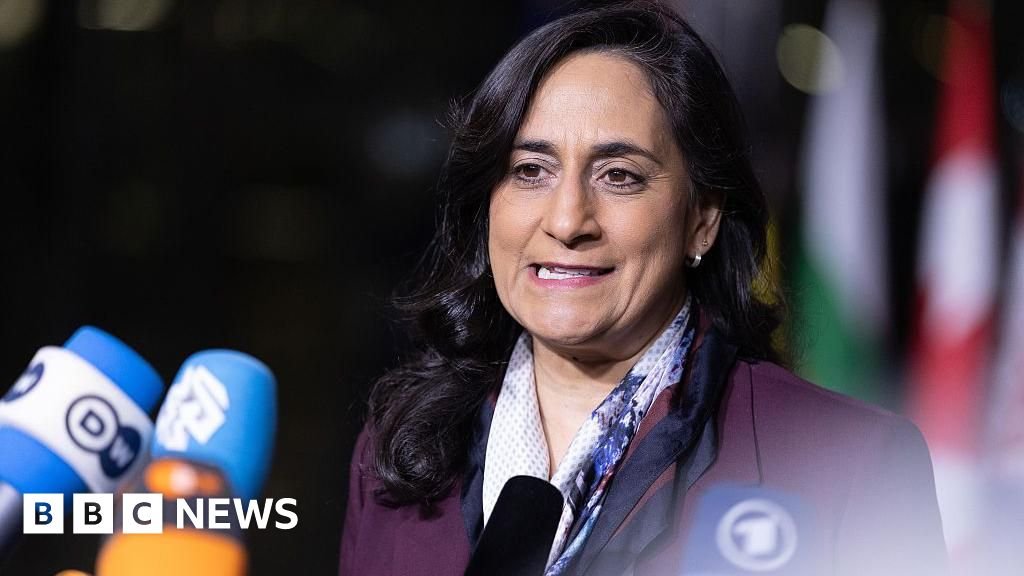
Canadian Foreign Affairs Minister Anita Anand confirmed the incident on social media, indicating that the Canadian government had formally expressed its objections regarding the treatment of the MPs at the border. This incident comes on the heels of rising tensions between Canada and Israel, particularly following Canada’s formal recognition of a Palestinian state in September 2024, a decision that had drawn ire from Israeli leadership.
Historical Context
Similar incidents involving entry denials have occurred before. Earlier this year, two UK MPs faced a similar fate after attempting to cross into Israel from Jordan. Like the Canadian delegation, these officials were there to observe humanitarian efforts as well.
Conclusion
The barring of Canadian MPs from entering Israel underscores the complexities of international relations involving the Israeli-Palestinian conflict. As advocacy groups and political figures express their discontent over the denial, the incident highlights the ongoing debate over access, agency, and the broader implications of state recognition in this contentious region.
For further details on the political implications of international visits to Israel and the perspectives of humanitarian organizations, visit Canadian Council for Refugees and Islamic Relief Worldwide.
