


Opposition Grows Against Water Buoys in Cameron County
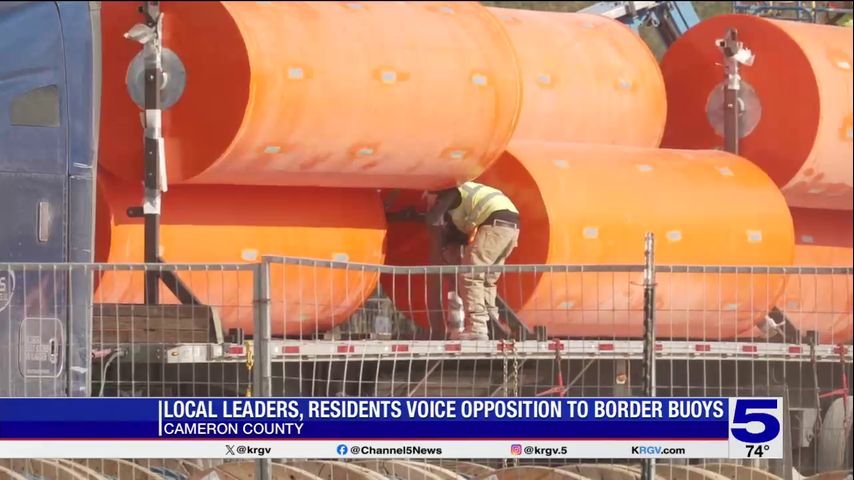
The installation of water buoys by the Department of Homeland Security (DHS) in Brownsville, Cameron County, has sparked considerable controversy among local residents and leaders. Many express strong opposition to the bright orange barriers, which are set to be positioned in the Rio Grande, particularly in the Southmost area. This article explores the community response, highlights concerns about environmental impacts, and reviews the broader implications of this initiative.
Community Concerns about the Water Buoys
Residents, including local activists such as Melinda Melo from Mercedes, have voiced their discontent during recent meetings at the Cameron County Commissioners Court. Melo, advocating for the community, emphasized the negative consequences of the buoys, stating, "We don’t want to see our community further harmed or the militarization or the destruction to our natural habitat." Along with others, she gathered to express their worries about the buoys’ potential to harm the environment and the community itself.
Resolution to Oppose the Buoys
The sentiment against the buoys culminated in a resolution proposed by Cameron County Judge Eddie Treviño to officially oppose their placement in the Rio Grande. This move was welcomed by residents, as it marked a significant stance against both state and federal government actions. Victoria Bajardo from LUPE highlighted the importance of this resolution, acknowledging the courage of local leaders to speak up when many counties hesitate to do so.
Environmental and Financial Implications
The buoys, flagged as part of a $96 million initiative under the "Big Beautiful Bill," have been criticized for lacking input from community members residing near the Rio Grande. Osvaldo Grimaldo, a strategist from the ACLU-Texas, voiced concerns regarding this investment, labeling it "completely unnecessary." He stressed the lack of community engagement in a project profoundly affecting those living alongside the river.
The Significance of the Rio Grande
Judge Treviño underscored the multifaceted implications of the buoys, mentioning their impact on human rights, the environment, wildlife, and recreational activities. The Rio Grande has become a flashpoint in the ongoing debate over immigration and border security, with recent data from U.S. Customs and Border Protection indicating a decline in Border Patrol apprehensions in the Valley sector. In the current fiscal year, 5,800 migrants have been stopped compared to over 26,000 reported crossings during the same period last year.
Treviño also expressed the importance of ensuring that the buoys were designed safely, without metal components that could pose dangers to individuals attempting to navigate the river.
Federal Perspectives on Buoy Deployment
During a visit to Brownsville in January, DHS Secretary Kristi Noem assured that the buoys serve as a protective measure for both agents and migrants attempting to cross the border illegally. Despite these claims, local sentiments remain entrenched against the initiative, reflecting broader concerns about the implications of militarization on community dynamics and environmental health.
Community Voices and Future Actions
As the opposition to the water buoys mounts, community leaders and residents are rallying for further dialogue and action regarding the future of the Rio Grande. The discussions surrounding the buoys encapsulate deeper issues related to immigration policy, environmental conservation, and community rights.
Conclusion
The deployment of water buoys in the Rio Grande is a contentious issue stirring local concerns in Cameron County. With strong opposition from residents and community leaders, the situation underscores the need for a more comprehensive approach to addressing immigration and environmental needs while also respecting the voices of those directly affected. As the dialogue continues, the outcomes of these discussions will greatly influence the future of both the Rio Grande and the communities surrounding it.
For more insights on immigration and environmental issues, check related articles on ACLU Texas.
