


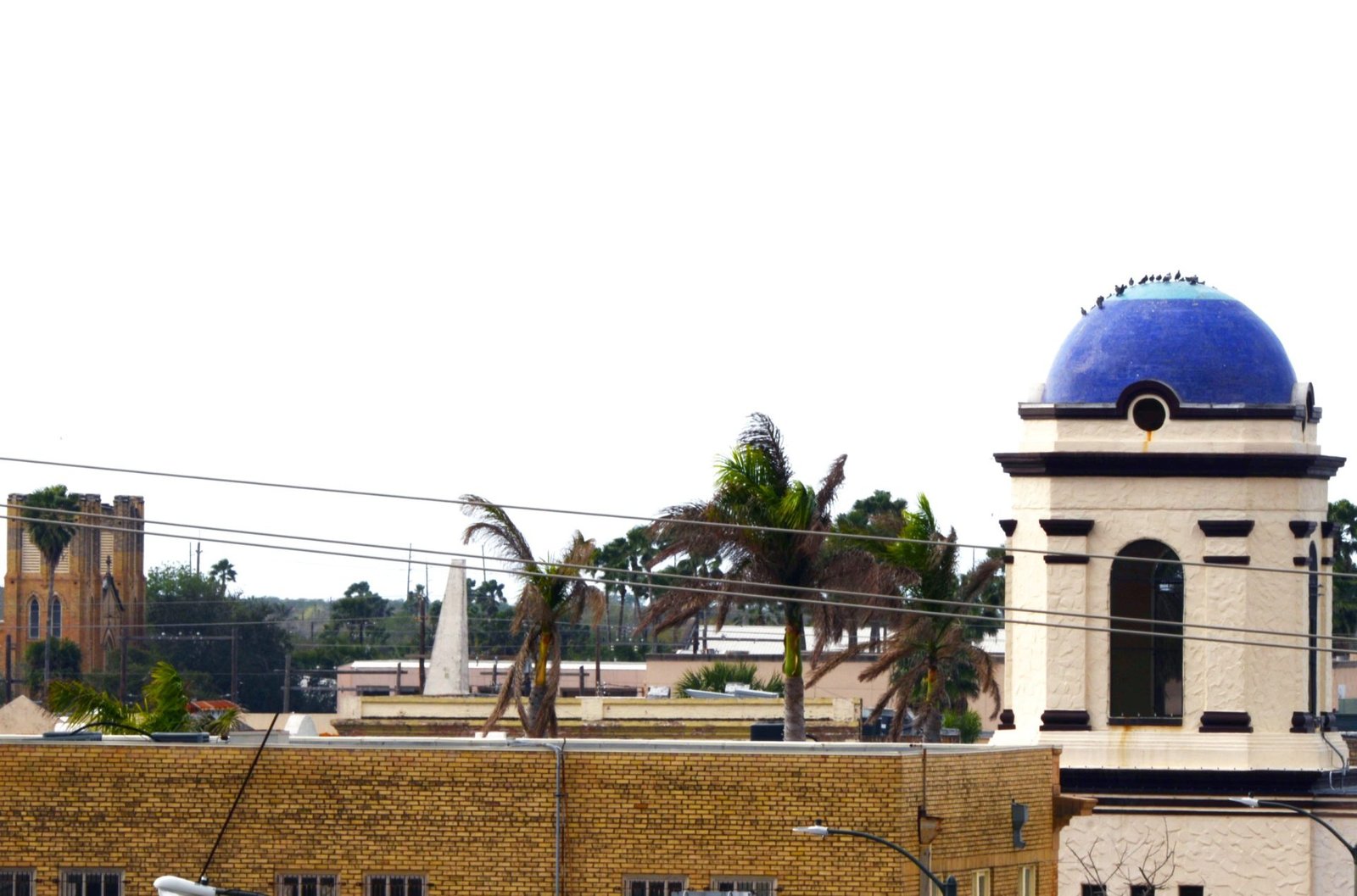
Brownsville: Navigating an Economic Transformation
Brownsville, Texas, is poised at a significant economic juncture, embarking on a transition that could redefine its landscape for generations to come. With deep-rooted reliance on education, healthcare, and retail sectors, the economy of Cameron County faces both unprecedented opportunities and challenges.
A Historical Overview of Cameron County’s Economy
Historically, the economy in Cameron County has leaned heavily on key sectors such as education and healthcare, which collectively employ over 42% of the workforce. The trade and transportation sectors contribute an additional 17%. While this structure has provided economic stability, it has limited industrial variety and curtailed wage growth for many local families.
However, a transformative phase is now underway, spearheaded by two powerful developments:
- SpaceX at Starbase
- Liquefied Natural Gas (LNG) projects at the Port of Brownsville
The Economic Impact of SpaceX and LNG Development
These projects symbolize more than mere job creation; they signal a structural transformation within the local economy. SpaceX has established a robust presence, employing over 3,400 full-time employees and contractors at its Starbase facility, alongside generating more than 21,000 indirect jobs in the region. With billions of dollars in economic activity tied to SpaceX, the potential for growth is immense.
Simultaneously, the Rio Grande LNG project is making waves with an estimated $18 billion investment in its first phase. This initiative promises thousands of jobs during construction and sustained employment in long-term operations.
Three Dimensions of Economic Diversification
These burgeoning industries are diversifying Brownsville’s economy along three key dimensions:
1. Increased Sector Diversity
The shift from a predominantly service-focused economy towards a hybrid model marks a pivotal evolution. Brownsville is now embracing sectors such as aerospace manufacturing and energy exports, which attract external capital rather than merely recycling local spending.
2. Enhanced Wage Parallel
Greater employment opportunities in fields like aerospace engineering, industrial maintenance, and machining are creating higher-paying career pathways. These skilled trades contribute to building a middle-income ladder, increasing economic mobility for the community.
3. Deepened Capital Investments
Massive, multibillion-dollar projects provide a foundation for long-term infrastructure. They expand port capacity and minimize reliance on government and retail sectors, increasing resilience against economic downturns.
Addressing the Challenges of Economic Growth
While diversification is in progress, the pivotal question remains: Will local residents be equipped to seize these new higher-wage job opportunities? There is a pressing need for alignment between workforce training and industrial development so that Valley families can transition from lower-wage service jobs to promising careers in emerging sectors.
Educational Institutions Stepping Up
Brownsville is not starting from zero. Educational institutions, like Texas State Technical College in Harlingen, offer programs tailored to the aerospace and LNG industries, including welding technology, industrial maintenance, and advanced manufacturing. Additionally, South Texas College provides certifications and retraining opportunities for working adults, enabling them to pivot into industrial careers without pursuing four-year degrees.
Workforce Solutions Partnerships
Organizations such as Workforce Solutions Cameron are playing a vital role by supporting apprenticeships, on-the-job training partnerships, and employer collaboration. Such initiatives are designed to connect local residents with new career opportunities, fostering a labor force capable of meeting the demands of these high-growth sectors.
The Path Forward: Coordination and Urgency Needed
The success of this economic transformation hinges on the ability to match industrial growth with expanded training capacity and accessible workforce pathways.
Planning for a Bright Future
High school students must recognize careers in aerospace and energy as attainable goals within their community. Simultaneously, working adults should have streamlined pathways for reskilling, allowing them to remain within the region without sacrificing economic stability.
If educational alignment keeps pace with industrial investments, Brownsville can emerge as a diversified industrial-export hub, with aerospace and energy sectors flourishing alongside healthcare and trade. Such evolution would foster increased wage growth and economic well-being for local families.
Conversely, if the alignment falters, Brownsville risks becoming a two-speed economy where capital investments rise but opportunities remain unevenly distributed.
Conclusion: Brownsville’s Crossroads
As Brownsville finds itself at this critical crossroads, the actions taken in the present will shape the economic model for years to come. Embracing urgency in workforce development and educational training is essential for ensuring that all residents benefit from the unfolding transformation.
With commitments to infrastructure planning, affordable housing, and educational alignment, Cameron County’s future could be one of shared prosperity and growth. The time to act is now to create an economic landscape that uplifts all communities.
For further information on the economic developments in Brownsville, you can explore resources from Economic Development Administration and Texas State Technical College.
