


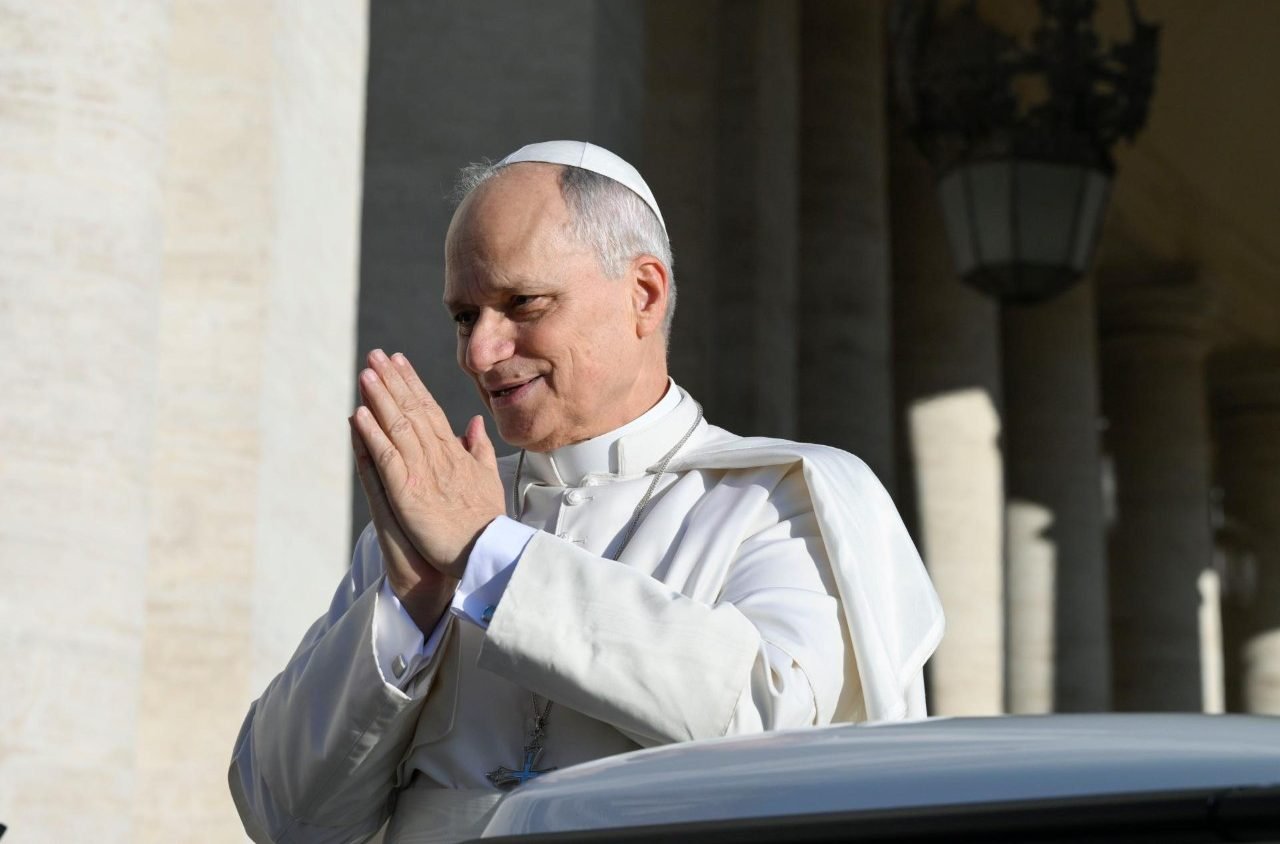
Celebrating 325 Years: The Pontifical Ecclesiastical Academy and Its Mission for Diplomacy
As the Pontifical Ecclesiastical Academy marks its 325th anniversary, Pope Leo XIV emphasizes the importance of diplomatic service rooted in a pastoral vocation. This milestone celebration reaffirms the Academy’s enduring mission to foster paths of reconciliation inspired by the Gospel.
A Historical Overview of the Academy
The foundation of the Pontifical Ecclesiastical Academy dates back to 1701, established by Pope Clement XI. The Academy is dedicated to training priests who will represent the Holy See in diplomatic roles and within the Secretariat of State. Noteworthy alumni include Popes such as Clement XIII, Leo XII, Leo XIII, Benedict XV, and Paul VI, each having contributed significantly to the Catholic Church’s global outreach.
A Letter from Pope Leo XIV
In a heartfelt letter to the Academy’s community, Pope Leo XIV expressed gratitude for its rich history and the vital role it plays in the service of the Pope. He acknowledged the efforts of his predecessors, who worked to ensure the growth and mission of the Academy, thus guaranteeing that the Holy See is always equipped with capable diplomats.
Acknowledgment of Recent Reforms
Building on the momentum of the past, Pope Francis had previously recognized the Academy as an advanced center for higher academic formation and research in diplomatic sciences through his Chirograph titled Il Ministero Petrino (The Petrine Ministry). Pope Leo XIV reiterated this commitment, underscoring the Academy’s significance as a direct instrument in the Holy See’s diplomatic endeavors.
He commented, “These most recent reforms reflect the aim of offering a course of formation built on a solid scientific foundation, integrating legal, historical, political, economic, and linguistic competencies with the human and priestly qualities of young priests.”
Embracing the Pastoral Vocation
Pope Leo XIV encouraged the current students to embrace their unique calling. He reminded them that diplomatic service transcends profession; it is a rich pastoral vocation that aims to forge paths of reconciliation where division and mistrust typically exist. The Pope articulated a vision of diplomacy that is “born of the Gospel,” emphasizing that it should reflect charity rather than tactics.
Building Bridges, Not Barriers
The Holy Father urged his diplomats to embody humility and compassion, inviting them to listen to God and the marginalized before engaging with the powerful. “The Pope’s diplomats are called to be invisible, fortified bridges that offer support amidst life’s challenges,” he asserted, proclaiming diplomacy as a means to restore authentic human bonds rather than create division.
A Call to Deep Spirituality
In his conclusion, Pope Leo XIV referenced St. Anthony the Abbot, encouraging students and alumni of the Pontifical Ecclesiastical Academy to emulate his ability to transform silence into enriching dialogue with God. He urged them to “be priests of deep spirituality,” emphasizing the importance of grounding their encounters in prayer to draw strength and wisdom.
Conclusion: The Spirit of Reconciliation
The 325th anniversary of the Pontifical Ecclesiastical Academy serves as a reminder of its profound impact on Church diplomacy. As the Academy continues to shape future diplomats who are committed to reconciliation and dialogue, the call remains clear: to follow the Gospel’s path in fostering understanding and hope in a world often marked by division.
For more information on the history and mission of the Pontifical Ecclesiastical Academy, visit the official Vatican News website.
