


Easing of U.S.-Mexico Border Restrictions: What You Need to Know
Introduction
As the holiday season approaches, a significant change is coming for travelers at the U.S.-Mexico border. U.S. officials have announced plans to ease restrictions at international bridges, particularly impacting those traveling for nonessential reasons. This revitalization of cross-border travel is expected to bring relief to many communities, especially the economically impacted regions in Texas.
Background on Border Restrictions
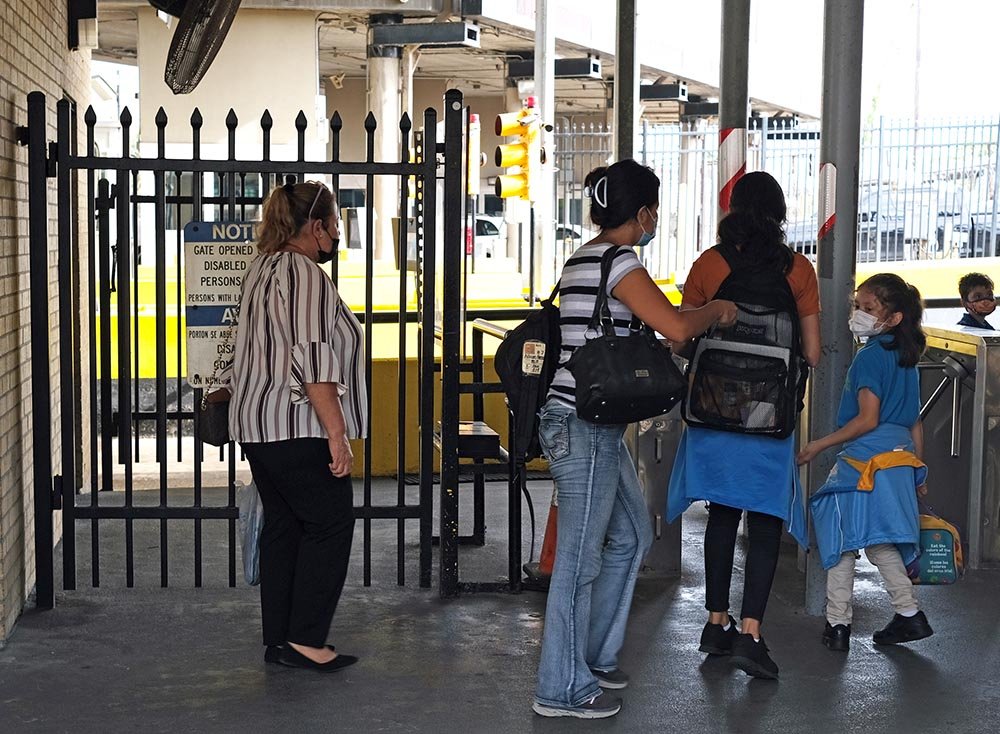
For nearly 20 months, nonessential travel across the U.S.-Mexico border has been restricted due to the COVID-19 pandemic. However, starting in early November, anyone who can provide proof of vaccination against COVID-19 will be allowed to cross from Mexico into the United States. This announcement has brought hope and excitement to both border officials and local merchants who have been advocating for changes in restrictions.
Increased Vaccination Efforts
Mexican President Andres Manuel Lopez Obrador has been proactive in addressing vaccination rates among border residents. His administration initiated efforts to vaccinate as many individuals as possible, aiming to elevate local vaccination rates to match those of the United States. While Mexico’s overall vaccination rate hovers around 40%, reports indicate that border towns have achieved an impressive uptake of about 70%.
Economic Impact on Border Regions
The easing of restrictions could play a crucial role in revitalizing economies along the border, particularly in the Rio Grande Valley. The Baker Institute estimates that the current restrictions have led to a staggering loss of approximately $5 billion per year in GDP. Cameron County Judge Eddie Treviño Jr. noted that bridge toll revenues have significantly decreased, dropping by $700,000 each month during the restrictions.
Anticipating Challenges Ahead
Despite the positive news, it’s important for travelers to be aware that the reopening may not be seamless. Long wait times at border crossings are anticipated as Customs and Border Protection (CBP) officers will conduct thorough checks. Travelers will be required to provide proof of vaccination, and border agents have the authority to either admit individuals or refer them to secondary checkpoints for further inspection.
Acceptable Vaccines and Documentation
Border officers will accept COVID-19 vaccines authorized by the World Health Organization (WHO). However, the process may present challenges, especially as only three vaccines are commonly administered in the U.S. Previously, an executive order mandated that only U.S.-manufactured vaccines could be utilized in the country, complicating the verification process for foreign travelers.
Unfortunately, the lack of a national vaccination registry further complicates matters. Currently, vaccination records are managed at the state level and are not linked to a centralized national or international database. The Centers for Disease Control and Prevention (CDC) indicates that individuals needing proof of vaccination should return to the vaccination site rather than navigate the state systems.
The Need for a National Vaccination Registry
The complexities surrounding vaccine verification underscore the need for a national registry, particularly for travelers crossing the U.S.-Mexico border. Many seasonal visitors from northern states make the Rio Grande Valley their winter home, and a centralized database could greatly streamline the crossing experience, thereby reducing delays and improving efficiency.
Conclusion
The easing of border restrictions represents a significant opportunity for communities along the U.S.-Mexico border, particularly in South Texas. While the anticipation of shorter crossing times and revitalized economies is welcomed news, it is crucial for officials to monitor the process thoroughly and implement strategies that will minimize delays for travelers. With preparations underway, the hope is that these changes will not only restore economic activity but also foster a smoother and more efficient travel experience for everyone involved.
For more information on travel requirements and updates, visit the CDC website and refer to your local health department to stay informed about vaccination protocols.
