


The Healthcare Crisis in the Rio Grande Valley: A Call to Action
Understanding the Impact of High Healthcare Costs
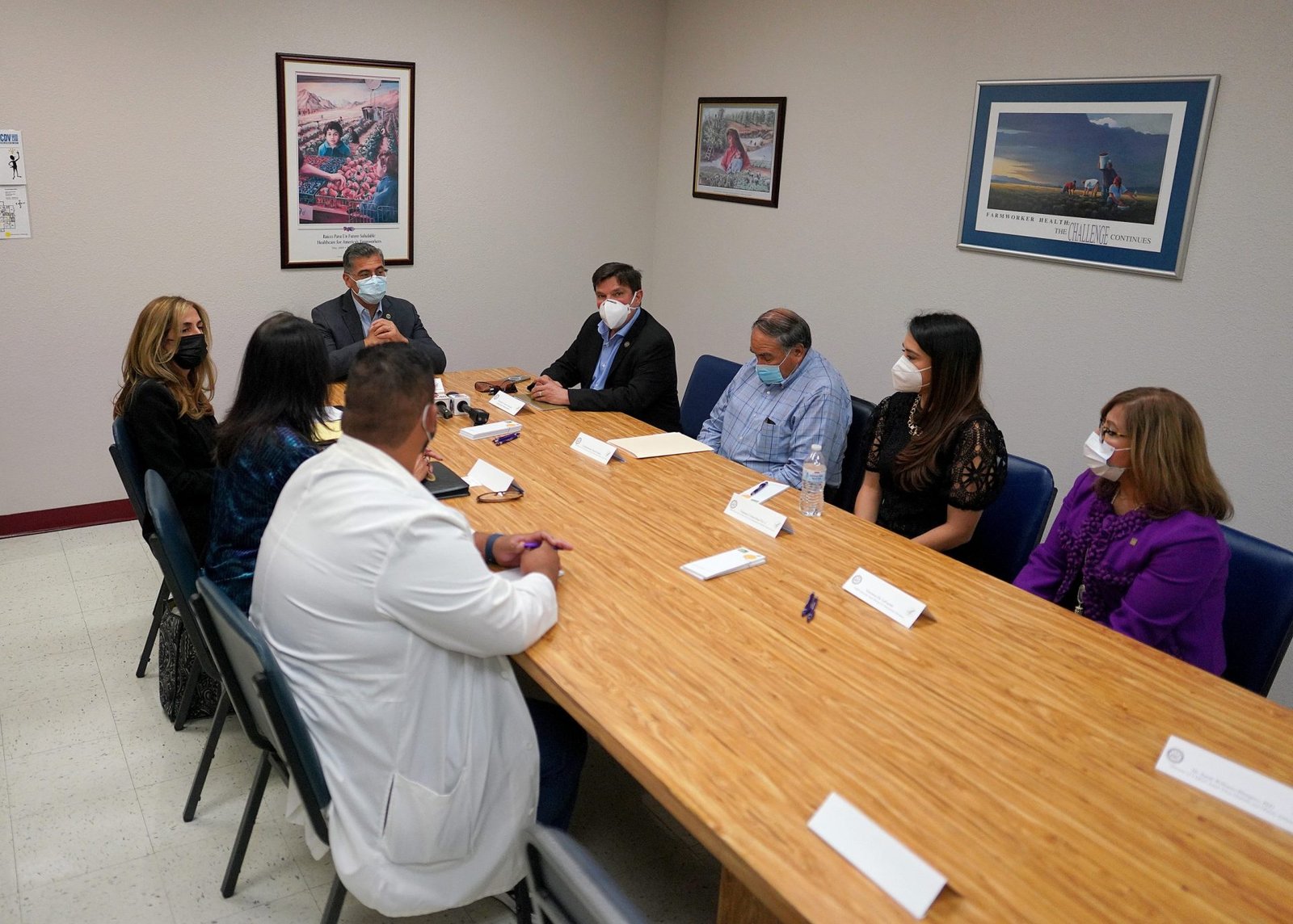
The Rio Grande Valley is facing a significant healthcare crisis, primarily driven by high incidences of diabetes and obesity among its population. This issue is compounded by a notable percentage of uninsured residents, making access to healthcare even more challenging. Recently, local healthcare professionals and U.S. Congressman Vicente Gonzalez (D-McAllen) emphasized these pressing concerns during a visit from U.S. Secretary of Health and Human Services Xavier Becerra.
The Role of Safety Net Providers
At the forefront of this struggle is Nuestra Clinica Del Valle, a network of medical clinics serving those who often cannot afford care. As CEO Lucy Torres noted, many patients lack private insurance and do not qualify for federal programs such as Medicare or Medicaid. Torres stated, "We’re a safety net provider for a lot of individuals that would not access care because they have no insurance."
Nuestra Clinica operates nearly a dozen clinics across Starr and Hidalgo counties, striving to bridge healthcare coverage gaps that still exist, despite the improvements made by the Affordable Care Act.
A Closer Look at Patient Needs
The statistics reveal a troubling picture: approximately 35% of Nuestra Clinica’s patients are diabetic, with an additional 10-15% classified as pre-diabetic. Furthermore, many individuals in the community are also dealing with obesity. These two health issues significantly increase the risk of more severe complications, such as kidney disease, leading to more intensive and costly care.
Preventive Healthcare Initiatives
To combat these challenges, Nuestra Clinica emphasizes preventive care. "We try to focus a lot on the preventive aspect," Torres remarked, highlighting the importance of education and early intervention to reduce the long-term healthcare burden.
Commissioner David A. Garza, who has a background in pharmacy, also spoke about the need for preventive measures during a recent roundtable discussion with Becerra. He emphasized the escalating prices of essential medications, notably insulin, which has seen price increases of nearly 2,000% over the years.
The Alarming Rise of Prescription Drug Costs
A vial of insulin that once cost about $30 now retails for $380-400. Garza shared firsthand experiences from his pharmacy, noting how many of his patients attempt to ration their medications due to affordability issues, which leads to detrimental health consequences. "What happens to that patient? They end up hospitalized due to cardiovascular issues," he explained, emphasizing the system’s inefficiencies and the burden placed on taxpayers when preventive care fails.
The Administrative Challenges Faced by Pharmacies
Independent pharmacies like Garza’s find themselves in a challenging position due to an intricate web of regulations. For example, although a Medicare patient may fill a three-month insulin prescription with a retail price of $2,062, the reimbursement model often leaves pharmacies at a loss. As Garza detailed, "Today, it’s costing me more than I get reimbursed for by the federal government. It absolutely makes no sense."
Legislative Changes and the Way Forward
During the meeting, Secretary Becerra acknowledged the need for affordable medication, reaffirming the importance of legislative progress. A pivotal moment occurred when Becerra praised Congressman Gonzalez and other lawmakers for passing a bill to cap insulin costs to $35 a month for patients on Medicare. This change, effective next year, represents a significant step toward alleviating some of the financial burden on patients.
The Need for Broader Reform
Despite these advancements, both Becerra and Gonzalez stressed that much work remains to be done, especially concerning the lack of insurance in Texas. Gonzalez pointed out, "We’re the least insured state in the country, and our population has double the uninsured rate compared to the rest of the state." It is crucial for federal leaders to understand and address the unique healthcare challenges faced by the Rio Grande Valley.
Conclusion: A Community in Need of Help
The healthcare landscape in the Rio Grande Valley highlights the urgent need for systemic reform to address issues of affordability and accessibility. As local leaders, healthcare professionals, and federal officials work together, public awareness and advocacy will be critical in ensuring that residents receive the necessary support to improve their health outcomes.
For more information on healthcare in the Rio Grande Valley, visit Healthcare.gov or explore CDC resources to understand the broader implications of diabetes and obesity management.
