


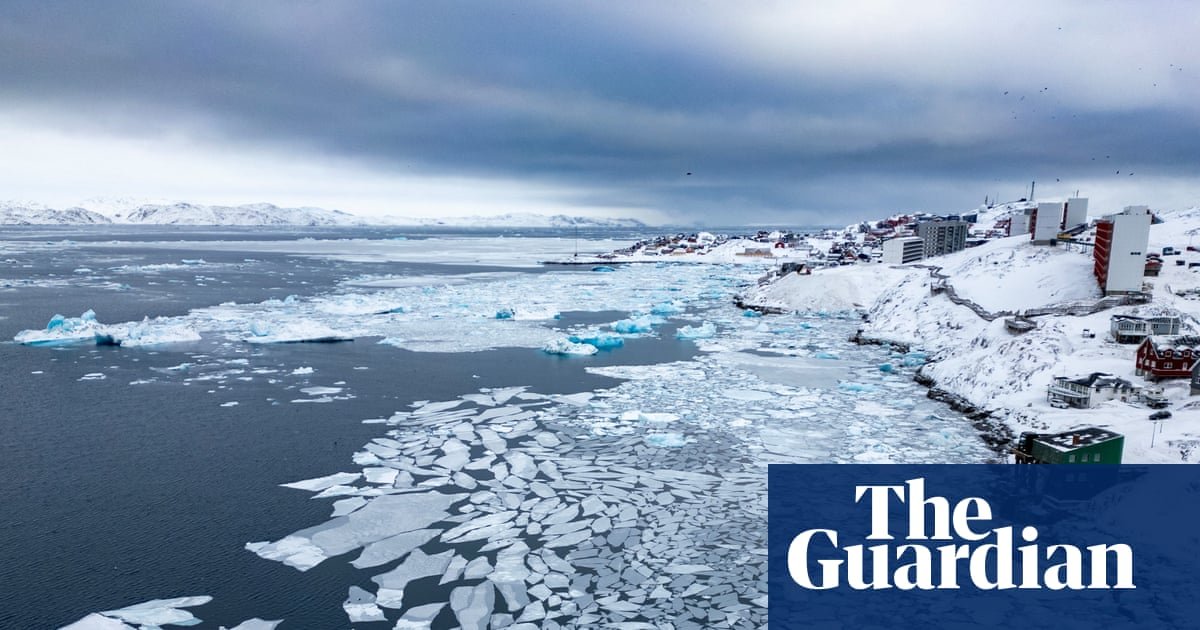
Record Heat and Melting Ice: The Urgent Reality of the Arctic Climate Crisis
The Arctic is undergoing unprecedented changes as the impacts of climate change continue to accelerate. According to the latest report from the National Oceanic and Atmospheric Administration (NOAA), the region not only recorded its hottest temperatures in 125 years but also experienced a significant reduction in sea ice extent in 2025, marking the lowest levels observed in 47 years of satellite tracking.
Rising Temperatures in the Arctic
From October 2024 to September 2025, temperatures across the Arctic soared, with the last decade being the warmest on record. This stark warming has occurred at a pace nearly four times faster than the global average, primarily driven by the burning of fossil fuels and greenhouse gas emissions. As a result, the Arctic, often referred to as the planet’s "refrigerator," is losing its cooling capacity, fundamentally disrupting global climate regulation.
Declining Sea Ice Extent
The decline of sea ice has reached alarming levels, with NOAA reporting that the Arctic’s sea ice extent is now a mere fraction of what it was even a few decades ago. The thickest, oldest sea ice has plummeted by over 95% since the 1980s, a trend that is intensifying as the climate crisis worsens. This year alone has seen not only the lowest maximum sea ice extent but also record precipitation levels throughout the region. Unfortunately, much of this precipitation is falling as rain rather than snow, reflecting a longer-term trend of diminishing snow cover—down to half of what it was 60 years ago.
Unprecedented Weather Patterns
Remarkably, 2025 has been characterized as a year with record-breaking temperatures coupled with unseasonably high levels of precipitation. Matthew Langdon Druckenmiller, an Arctic scientist at the National Snow and Ice Data Center, expressed concern over the simultaneous occurrence of these extreme weather conditions, indicating, "This year has really underscored what is to come."
Impact on Seasonal Dynamics
The warming has profound implications for seasonal weather patterns in the Arctic. Typically cold winters are now witnessing unusual warmth and even rain. This transformation disrupts the annual growth of sea ice, leading to the lowest recorded sea ice extent in recent history. Druckenmiller emphasizes that "the whole concept of winter is being redefined in the Arctic."
Challenges for Wildlife and Communities
The effects of these climatic changes are felt intensely by both wildlife and human communities in the Arctic. Rain falling on snow can create barriers for animals trying to forage, while the risks associated with slippery road conditions increase for local residents. Additionally, the melting glaciers lead to concerns about flooding, as seen in Juneau, Alaska earlier this year.
Beyond the Arctic: Global Implications
The loss of Arctic sea ice is a gateway to more significant global challenges. As vast areas of dark ocean emerge, they absorb heat rather than reflect it, contributing to overall warming. While melting sea ice itself does not directly contribute to rising sea levels, the loss of land-based glaciers certainly does. In 2025 alone, the Greenland ice sheet lost a staggering 129 billion tons of ice, a loss that will significantly contribute to sea-level rise and threatens coastal cities worldwide for generations to come.
Zack Labe, a climate scientist, notes that "we are seeing cascading impacts from a warming Arctic," warning that coastal cities are unprepared for the inevitable rise in sea levels. The repercussions extend to the fishing industry as shifts in marine ecosystems translate into increased food prices, demonstrating that the changes in the Arctic can reverberate around the globe.
Conclusion
The ongoing changes in the Arctic serve as a stark reminder of the urgent climate crisis facing our planet. With record heat and unprecedented alterations to sea ice and seasonal weather patterns, it’s critical to acknowledge the Arctic’s significance as a climate regulator. As these trends continue to evolve, the global community must confront the realities of climate change and its far-reaching implications.
For continuous updates and more in-depth coverage on the state of the Arctic, you can refer to the annual Arctic report card from NOAA and other reputable climate resources.
In light of the accelerating climate crisis, concerted action and awareness are essential to mitigate its effects and protect not just the Arctic but our planet as a whole.
