


Amazon Stingless Bees Granted Legal Rights: A Landmark Step for Insect Conservation
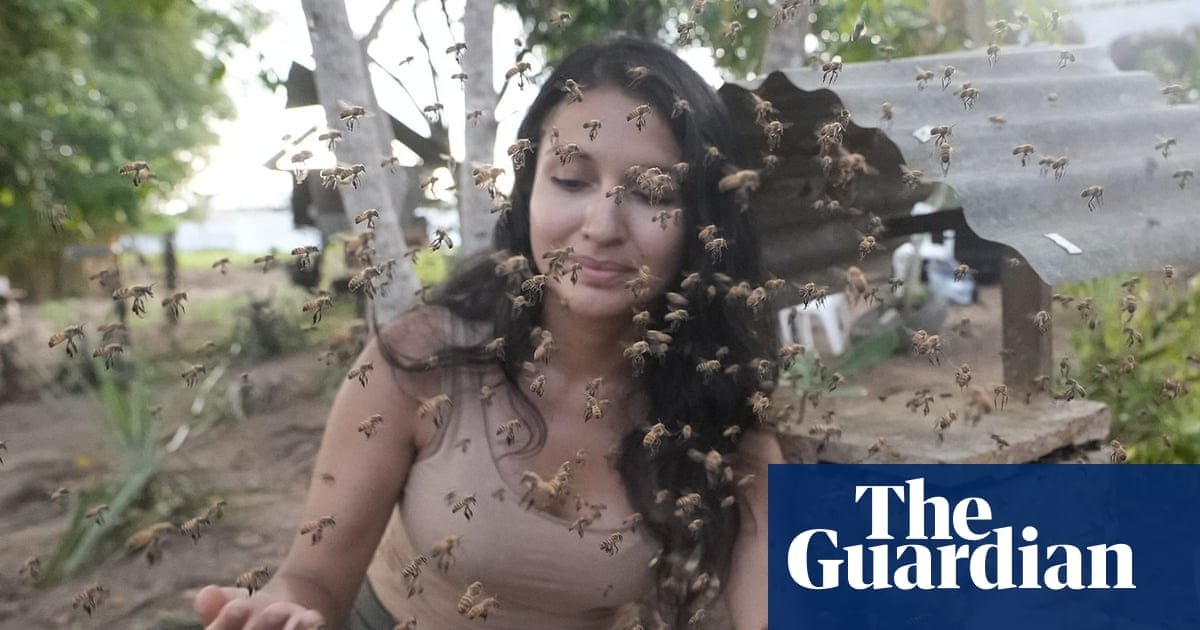
In a groundbreaking development for environmental advocacy, stingless bees from the Peruvian Amazon have become the first insects globally to be awarded legal rights. This pivotal decision aims to champion the protection of these often-overlooked pollinators and ignite similar initiatives for bees worldwide.
The Importance of Stingless Bees
Stingless bees, unlike their more aggressive European counterparts, do not possess stingers, allowing them to thrive in delicate ecosystems. Historically cultivated by Indigenous peoples since pre-Columbian times, these bees play a crucial role in biodiversity and ecosystem health by pollinating a majority of the rainforest flora, including vital agricultural crops like cacao, coffee, and avocados.
The Threats They Face
Despite their ecological importance, stingless bees are confronted with an alarming combination of deforestation, climate change, and pesticide exposure. Furthermore, the introduction of European bees has intensified competition, jeopardizing the survival of local species. As a result, scientists and advocates have been hastening efforts to include stingless bees on international conservation red lists.
Milestones in Advocacy
The recent ordinances passed in two regions of Peru represent a significant shift in how we engage with nature. This change comes from a campaign led by Rosa Vásquez Espinoza, founder of Amazon Research Internacional, who has extensively researched stingless bees by collaborating with Indigenous communities to highlight their traditional practices and the ecological roles these bees play.
Scientific Discoveries
Espinoza’s journey began in 2020 when she was tasked with analyzing stingless bee honey used in Indigenous remedies during the COVID-19 pandemic. The findings revealed a treasure trove of medicinal molecules, pointing to their potential health benefits such as anti-inflammatory, antibacterial, and even anti-cancer properties.
"These findings highlight the diversity of beneficial molecules found in these bees," Espinoza noted. Her ongoing research aims to foster awareness of stingless bees and improve funding avenues for further study.
Cultural Significance
The cultural and spiritual significance of stingless bees cannot be overstated, particularly for Indigenous groups such as the Asháninka and Kukama-Kukamiria. As Apu Cesar Ramos, president of EcoAshaninka, stated, "Within the stingless bee lives Indigenous traditional knowledge, passed down through generations."
Challenges in Bee Populations
Reports from local communities indicate a distressing trend: stingless bees are increasingly difficult to locate. Espinoza has documented these observations, originally noting that finding their hives has become more challenging due to habitat degradation and an influx of Africanized honey bees, which are more aggressive and displace native species.
Legal Recognition and Protection
The ordinances passed in Satipo and Nauta circumscribe vital protective frameworks for stingless bees. These laws afford the bees rights to existence, a healthy habitat free from pollution, and legally enforceable representation against threats. Additionally, they advocate for habitat restoration, regulation of harmful pesticides, and bolstered scientific research.
The Future of Bee Conservation
"There is now a mandated requirement to implement policies aimed at the survival of stingless bees," said Constanza Prieto, Latin American director at the Earth Law Center. This proclamation sets a precedent and could serve as a model for other regions grappling with the declining pollinator populations.
A global petition spearheaded by Avaaz, backed by over 386,000 signatures, calls for national laws to extend these protections across Peru, igniting interest from conservation groups in countries like Bolivia, the Netherlands, and the United States.
Conclusion
The legal recognition of stingless bees in Peru marks a monumental leap forward in the fight for insect conservation. It elevates the significance of Indigenous knowledge and emphasizes the essential roles these pollinators play in maintaining ecosystem balance. This transformative decision is not just a local victory; it is a clarion call for global efforts to safeguard bees and the environments they inhabit.
By advocating for the rights of stingless bees, we not only support their survival but also champion the ecological integrity of the Amazon rainforest and the wealth of biodiversity it harbors. The spotlight on these unique bees serves as a reminder that every small step can lead to significant change in our collective efforts to preserve the natural world.
For further reading, explore the importance of bees and learn about the conservation efforts being made to protect these essential species.
