


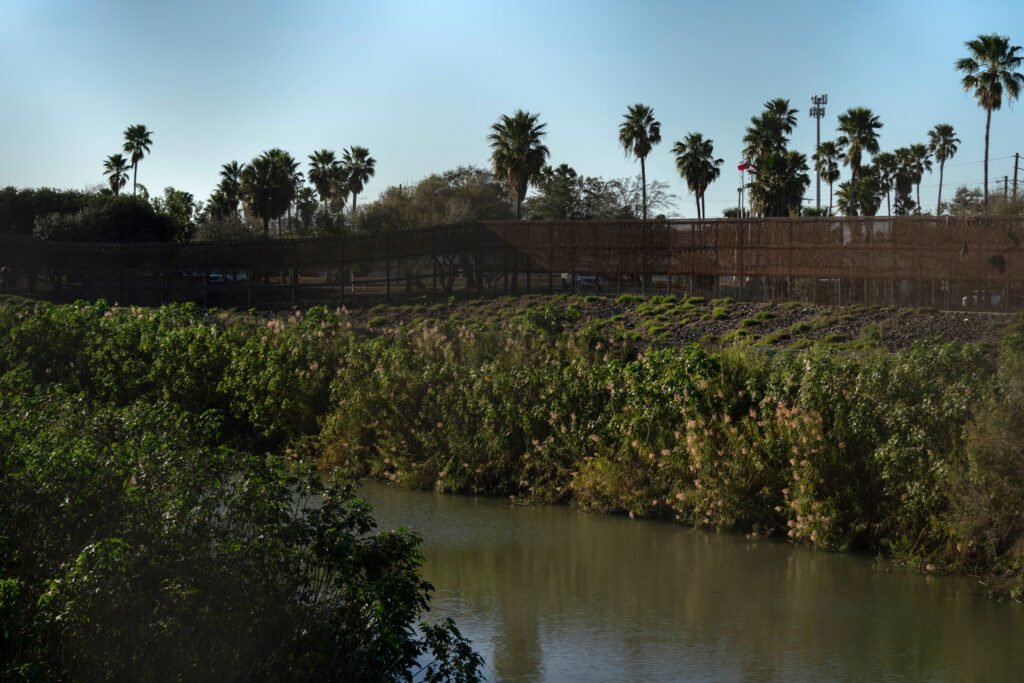
Advocates Push for Protections for Texas Parks and Cultural Sites Amid Border Wall Controversy
Advocacy groups are rallying for the inclusion of protective measures for Texas parks and cultural heritage sites as part of current negotiations for the Homeland Security funding bill. These sites, located in the Rio Grande Valley, are threatened by the ongoing construction of the border wall, a project that has recently gained momentum under the current presidential administration.
Background on Border Wall Provisions
During the previous Trump presidency, Congress acted to safeguard certain significant locations in the Texas Rio Grande Valley from border wall construction. The protections exempted federal funding for building the wall at crucial sites such as the Santa Ana National Wildlife Refuge, Bentsen-Rio Grande Valley State Park, and the historic La Lomita Chapel. However, the recent "One Big Beautiful Bill," passed in July 2025, allocated $46.5 billion for border wall construction without extending similar protections to these vital areas.
According to Customs and Border Protection’s current maps, plans are in place for the border wall to cut through the wildlife refuge and state park, isolating the historic chapel from public access. This construction is taking place even as border crossings reach historically low levels, prompting questions about the necessity and impact of the project.
Urgency of Congressional Action
The Friends of the Wildlife Corridor, a nonprofit dedicated to the conservation of the Santa Ana and Lower Rio Grande Valley National Wildlife Refuges, is urging Congress to reinstate protections for these critical sites. As negotiations for the Homeland Security bill progress, advocates emphasize that there is a limited window to influence lawmakers, with a deadline set for February 13.
Jim Chapman from the organization stated, “These refuges and cultural sites are irreplaceable. They are the heart of the Rio Grande Valley’s natural heritage and a cornerstone of our region’s economy." The push for protections comes amid broader discussions on federal immigration enforcement and fiscal allocations.
Economic and Ecological Significance
The Rio Grande Valley, renowned for more than 540 bird species, attracts significant nature tourism. This sector draws half a million visitors annually, contributing approximately $463 million to the local economy, according to data from Friends of the Wildlife Corridor. The region serves as a critical habitat along migratory bird flyways, playing a vital role in sustaining avian populations across the continent.
U.S. Representative Vicente Gonzalez, whose constituency covers the border from the Gulf of Mexico to McAllen, echoed these concerns, highlighting the adverse effects of border wall construction on both wildlife and tourism. He labeled the border wall as an inefficient use of taxpayer funds and vowed to fight for the continuation of protections that allow visitors to experience these treasured sites.
Residents Mobilize Against the Wall
La Lomita Chapel, an important historic site founded as a mission in the 1800s, sits perilously close to the Rio Grande. The existing structure, built in 1899, is listed on the National Register of Historic Places. As TCP construction threatened the chapel in 2017, local residents, alongside Catholic clergy, mobilized to protest against the wall.
The sustained public opposition eventually led to the establishment of federal budget carveouts. As the threat of construction resurfaces, residents are once again rallying to protect this important site.
The Department of Homeland Security has already waived various environmental and historical preservation laws, allowing rapid progress on border wall contracts without public scrutiny. Billions in contracts have been issued to construction companies, bypassing legal protections for ecological and cultural sites.
Legal Concerns and the Future of the Border Wall
According to environmental lawyer Dinah Bear, the absence of legal protections for the Santa Ana National Wildlife Refuge and other sites could lead to irreversible damage unless Congress intervenes. She argued that these areas can be monitored effectively without the need for a physical border wall.
Maps from Customs and Border Protection indicate that the border wall is set to trap La Lomita Chapel between itself and the Rio Grande while also restricting public access to portions of the Santa Ana and Bentsen parks.
Advocates are calling for specific provisions within the Department of Homeland Security appropriations bill to prevent any allocated funds from being utilized for border barrier construction at these significant sites.
Political Landscape and Future Developments
As lawmakers in Washington continue to negotiate the Homeland Security funding bill, opinions have been divided along party lines. Senate Majority Leader John Thune has described reaching an agreement before the February 13 deadline as an “impossibility.” Meanwhile, House Minority Leader Hakeem Jeffries has indicated his party’s unwillingness to accept another stopgap funding measure.
Additionally, Democrats are advocating for reforms to federal immigration enforcement following incidents involving federal agents. Notably, the number of border crossings has markedly decreased in the Rio Grande Valley, with fewer than 5,000 encounters reported in the last quarter of 2025, a significant decline from over 20,000 during the same period in 2024.
Despite this drop in border crossings, the implementation of the border wall is advancing rapidly. Recent construction efforts have begun in Sunland Park, New Mexico, while in West Texas, federal authorities are exploring potential leases for steel fence constructions in areas previously deemed unsuitable.
In Laredo, Texas, concerns about border wall construction have heightened, with local advocates firmly opposing plans that would disrupt their community. Tannya Benavides, an organizer with the No Border Wall Coalition, emphasized that the potential consequences of wall construction could drastically alter life in Laredo and vowed to continue mobilizing the community against the initiative.
As the situation evolves, the fight for ecological and cultural preservation continues, underscoring the profound interconnectedness of nature, heritage, and community welfare in the face of impending construction projects.
