


The Need for a Public Law School in the Rio Grande Valley
Overview of Legal Deserts in Texas
The Texas landscape is dotted with legal deserts—areas where the demand for legal services exceeds the supply. Among these regions, the Rio Grande Valley stands out due to its unique socioeconomic challenges. According to a 2021 analysis by the State Bar of Texas, the Valley has a striking disparity in lawyer-to-resident ratios: there is one lawyer for every 788 residents in the McAllen-Edinburg-Mission metro area, and one per 738 in Brownsville-Harlingen. This lack of legal representation is critical in a state where the average is one lawyer for every 310 residents.
The Case for a Law School in the Valley
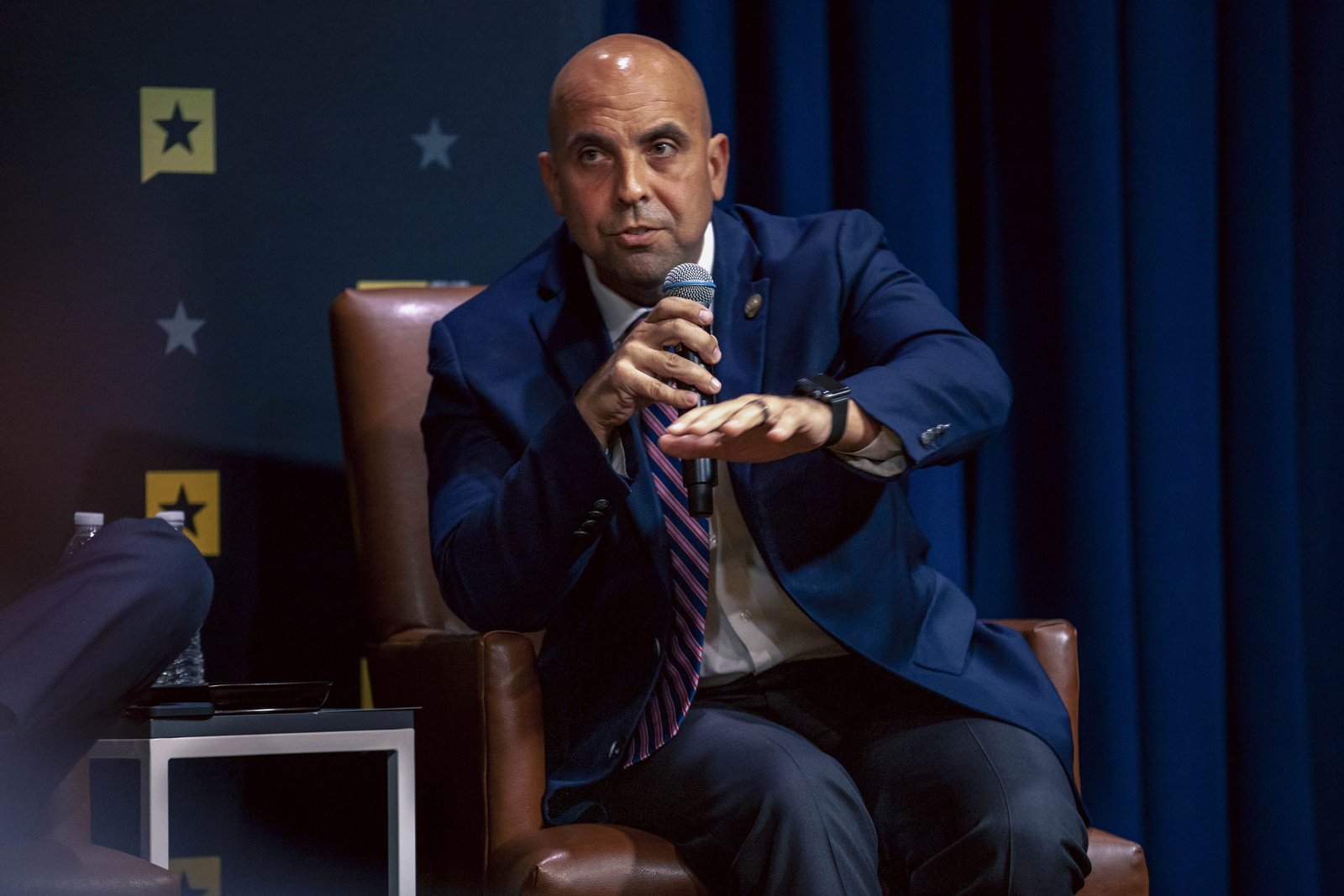
State Representative Armando “Mando” Martinez has long championed the establishment of a public law school in the Rio Grande Valley. His vision is rooted in the belief that such an institution could create job opportunities, alleviate the “brain drain” of young professionals moving to larger cities, and offer essential legal services to a region plagued by poverty.
Economic Implications
The establishment of a law school is expected to stimulate the local economy significantly. Martinez’s proposal is not merely academic; it is a pathway to empower Valley residents by providing them with the education and credentials to become practicing attorneys within their own communities. This could lead to increased legal representation for underserved populations, while also fostering local job growth.
Collaborative Efforts: University of Texas Rio Grande Valley and St. Mary’s School of Law
Recent discussions between the University of Texas Rio Grande Valley (UTRGV) and St. Mary’s School of Law have rekindled hope for a local legal education program. Preliminary talks suggest that a partnership could be in the works to create a program that would serve students from the Valley, ultimately enabling them to address the legal needs of their communities.
Access to Justice and Legal Education
Access to legal education is a pivotal factor in ensuring justice for all. Luz E. Herrera, a professor at the Texas A&M University School of Law, underscores that establishing a law school could enable the integration of legal services into educational curricula. Students would have the opportunity to engage in law clinics that provide free legal services to underserved populations while gaining invaluable experience.
Challenges Facing Legal Services in the Valley
While the establishment of a law school could have far-reaching implications, it won’t be a panacea. The Texas RioGrande Legal Aid (TRLA) organization works tirelessly, serving over 17,000 low-income clients in the Valley alone. However, they remain understaffed and underfunded, grappling with the unique challenges posed by the region’s substantial poverty levels.
The Importance of Legal Clinics
Legal clinics can amplify community support, particularly in crises. For instance, if a natural disaster were to strike, law clinics associated with a newly established school could deliver crucial legal aid to residents navigating disaster relief processes. Pablo Almaguer, pro bono counsel for TRLA, emphasizes that the presence of a law school directly correlates with improved legal services for communities in distress.
Historical Context: The Reynaldo G. Garza School of Law
It’s worth noting that the Valley once had its own law school—the Reynaldo G. Garza School of Law, operational from 1984 to 1993. Although it had provisional accreditation, it failed to secure full accreditation from the American Bar Association. The challenge remains to cultivate a sustainable legal educational pathway that addresses systemic issues in the Valley.
Legislative Support and the Future of Legal Education
While the establishment of a law school is promising, systemic barriers persist. Pamela R. Metzger, head of the Deason Criminal Justice Reform Center at Southern Methodist University, points out the critical need for legislative changes to alleviate the financial burdens, such as student loans, that deter young attorneys from practicing in rural communities.
Future Legislative Initiatives
Legislation proposed during the 2023 session sought to create a student loan repayment program for lawyers willing to serve in rural counties, underscoring a growing recognition of the legal needs in underserved areas. Although these efforts faced challenges during the legislative process, there is optimism that discussions on such initiatives will continue.
Conclusion: A Step in the Right Direction
The potential establishment of a law school in the Rio Grande Valley represents a critical step toward mitigating the legal service deficits prevalent in the area. While it won’t be a comprehensive solution to the underlying issues faced by the community, it sets a foundation upon which better legal services can be built, enriching the lives of Valley residents and enhancing access to justice throughout the region.
Call to Action
As discussions advance, interested stakeholders and community members are urged to engage in advocacy for this essential initiative. The time has come to address the inequalities in legal representation and pave the way for a brighter, more equitable future for all residents of the Rio Grande Valley.
For more information on legal resources and community initiatives in Texas, visit the State Bar of Texas.
