


Qatar and Jordan Condemn Netanyahu: Regional Implications
In a recent outcry that underscores the intensifying geopolitical tensions in the Middle East, Qatar and Jordan have vocally denounced Israeli Prime Minister Benjamin Netanyahu, labeling him a warmonger and presenting a significant threat to regional stability. This condemnation came amid ongoing discussions regarding ceasefire negotiations in Gaza, which have been increasingly complicated by the unfolding violence and military operations in the region.
Rising Tensions and Accusations
Netanyahu’s Role as a Regional Threat
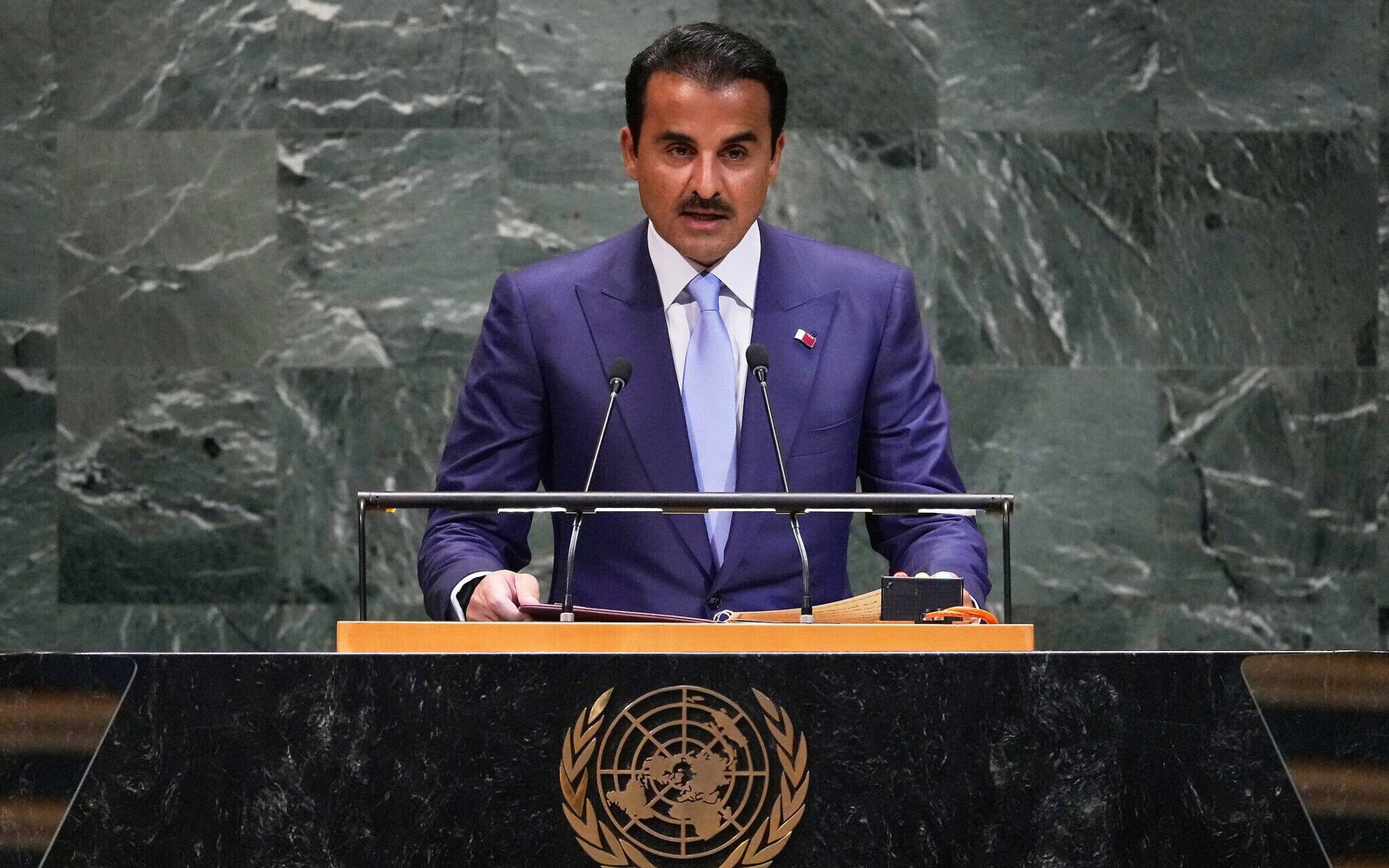
Qatar’s Emir has articulated serious concerns, accusing Israel of deliberately attempting to undermine efforts for a peace truce in Gaza. These claims highlight the Emir’s frayed relations with Israeli leadership and draw attention to the broader implications of such actions on the fragile peace landscape in the region. In light of these tensions, Jordan has joined Qatar in condemning Netanyahu, raising alarms about the potential for increased violence.
For more insights on this issue, refer to Al Jazeera’s report.
Concerns from Arab Nations
In a world filled with vulnerabilities, the anxiety among Arab nations that have normalized ties with Israel is palpable. Reports indicate that attacks on Gaza City and rhetoric aimed at Qatar have sparked fears regarding escalating violence and its broader implications. Many leaders within these nations are grappling with the potential political ramifications as they navigate their relationships with both Israel and other Arab states.
For further context, see The New York Times’ analysis.
Qatar’s Shift in Security Strategy
As Qatar seeks to redefine its security parameters, discussions are set to occur concerning a "new threat perception" regarding Israel. Such conversations reflect a critical reevaluation of regional dynamics and the necessity for a strategic response tailored to the increasingly volatile environment.
These dialogues represent not just Qatar’s concerns but resonate with many nations grappling with similar dilemmas, especially as they consider the implications of their alliances. To delve deeper into Qatar’s security considerations, visit Newsweek’s coverage.
Implications for Future Negotiations
As these developments unfold, the potential outcomes of the ongoing discussions regarding a Gaza truce remain uncertain. Both Qatar and Jordan’s stances suggest a complicated interplay of diplomatic relations and security strategies that could redefine future negotiations.
The continued advocacy for peace in Gaza juxtaposed with vocal opposition to Israeli actions reflects a commitment found among regional leaders to seek a collaborative approach, while also responding to growing concerns about security and stability within their own borders.
By examining these intricacies, stakeholders can gain a more profound understanding of the current atmosphere in the Middle East, which remains fraught with challenges and opportunities for dialogue.
In conclusion, the escalating tensions in the region not only highlight the fragile relationships among Middle Eastern nations but also call for a concerted effort toward peace and stability. The interactions among Qatar, Jordan, and Israel will be crucial in shaping the next steps in this ongoing narrative of conflict and resolution. For a full breakdown of the developments, revisit The Times of Israel’s report for comprehensive updates.
