


Rewrite a fully new long article using the information from
By Dayna Reyes, Reporter
WESLACO, Texas — Food insecurity across the Rio Grande Valley is not a result of individual shortcomings, but rather the direct consequence of systemic policy decisions and historical economic disparities, according to academic and sociological analysis presented at a regional forum on hunger.
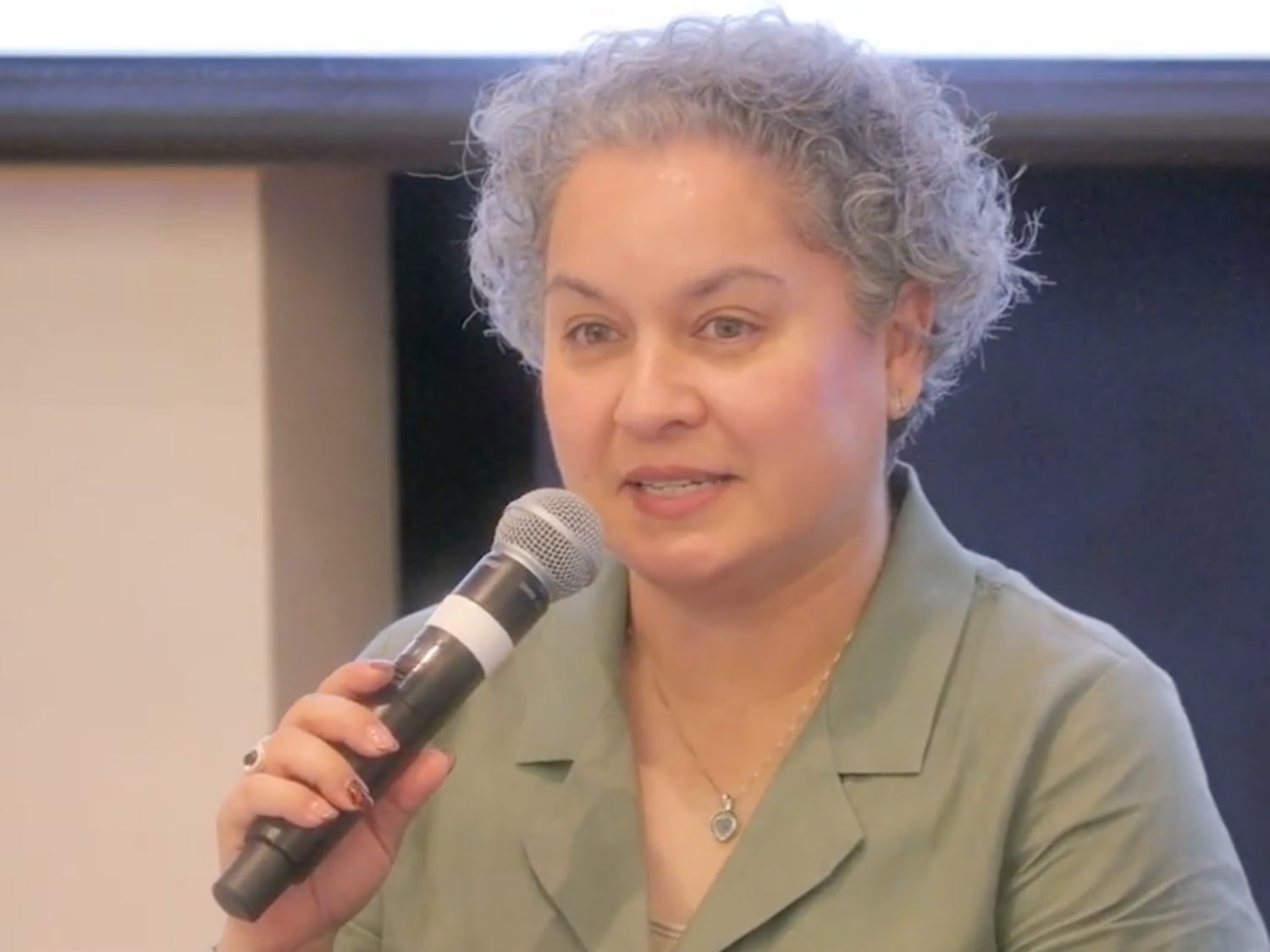
Speaking during a panel discussion at the Hunger in the RGV: A Call to Action forum hosted by Hidalgo County Judge Richard F. Cortez and Bread for the World, Leticia Nevárez Zavala urged local leaders, lawmakers, and community stakeholders to reframe how the region understands and addresses food access.
The forum, held at South Texas College’s Mid-Valley Campus in Weslaco, brought together regional advocates, elected officials, and subject matter experts to evaluate structural poverty and coordinate long-term policy interventions.
Nevárez Zavala, a certified applied sociologist, community health worker, and lecturer of sociology at the University of Texas Rio Grande Valley (UTRGV), underscored the paradox of widespread hunger in a region known for its agricultural output.
“In one of the most agriculturally productive regions of Texas, thousands of families in the Rio Grande Valley still struggle to put food on the table,” Nevárez Zavala told attendees. “That contradiction should alarm policymakers and the public alike. Food insecurity in the RGV is not caused by poor individual choices or lack of effort. It is the predictable outcome of decades of poverty, wage inequality, inadequate infrastructure, and political neglect.”
More than 20 percent of households across Hidalgo, Cameron, Starr, and Willacy counties experience food insecurity, exceeding both state and national averages. Nevárez Zavala noted that for residents living in rural pockets and colonias, geographic isolation and limited public transportation networks severely compound the problem by restricting access to affordable, nutritious food options.
Economic factors further aggravate the crisis. Many working families remain caught in low-wage employment environments that fail to match the accelerating costs of housing, healthcare, and basic groceries.
“When children cannot focus in school because they are hungry, the issue is no longer simply about food,” Nevárez Zavala emphasized, pointing out that hunger reinforces intergenerational cycles of poverty by directly hindering cognitive development and educational achievement.
While highlighting the vital role played by local food banks, school meal initiatives, and promotores de salud (community health workers) in providing emergency relief, she argued that charitable efforts alone cannot dismantle structural barriers.
She called on state and federal lawmakers to move past stopgap measures by expanding Supplemental Nutrition Assistance Program (SNAP) eligibility, improving regional public transit infrastructure, expanding healthcare access, and driving targeted economic development into underserved rural areas and colonias.
“The RGV does not lack resilience or community strength. What it lacks is sustained institutional commitment,” Nevárez Zavala concluded. “Food insecurity is not a personal failing. It reflects broader patterns of inequality that shape who has access to stable housing, healthcare, transportation, and opportunity. If we are serious about improving the health and future of the RGV, we must stop treating hunger as an isolated issue and begin recognizing it as a policy failure that demands collective action.”
Editor’s Note: Here is a video recording of Leticia Nevárez Zavala’s remarks at the Hunger in the RGV forum:
make sure the article is SEO-optimized following all the SEO Guides, from Focus Keyword to H2 and H3 titles and so on.
the article must explain all the details in a very clear and engaging structure.
very important: Use external links for keywords and sentences inside the article you will generate to boost the SEO.
Avoid writing any author related or donation related texts.
Avoid writing what you did in the articles because the article is published for visitors to read.
