


Rewrite a fully new long article using the information from
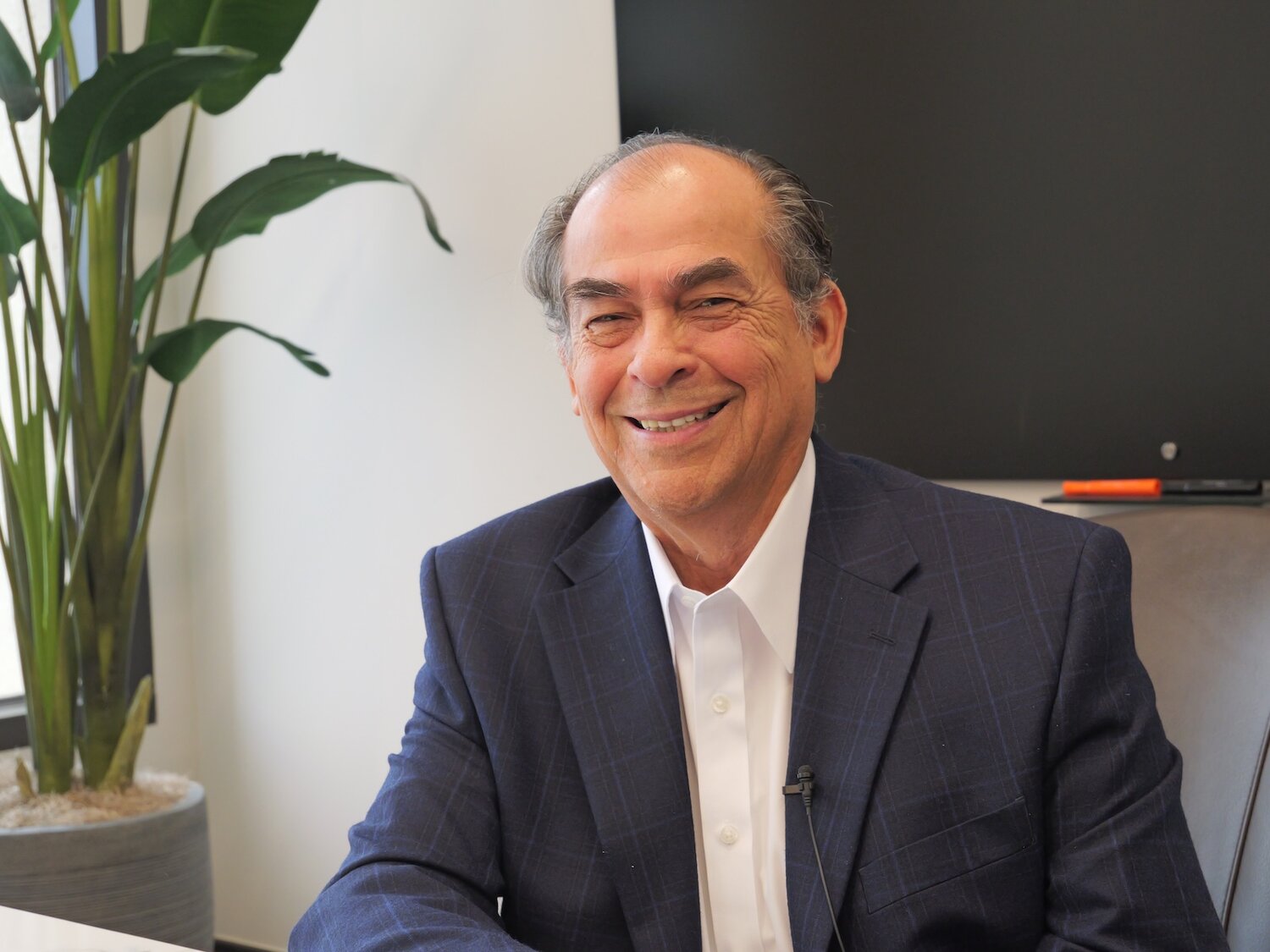
By Mario Reyna
In the land of plenty, it is hard to believe that over 20% of residents in the Rio Grande Valley experience food insecurity.
What is food insecurity? It is when you go to bed at night, and you are still hungry. It is when all you think about is where you might find money for the next meal. It is not remembering the last time you had an apple. It is not having the right resources to buy nutritious food.
It is a mother in a colonia skipping her own dinner so her children can eat. It is a grandparent choosing between filling a prescription and filling the refrigerator. It is a family relying on the corner store because there is no bus route, no car, and no way to reach a real grocery store — because in parts of our region, hunger and transportation are the same problem wearing two names.
These are thoughts that are hard to imagine for the majority of our citizens in the Rio Grande Valley, but they are a constant reality for over 20% of our residents.
There are federal programs that help those in dire need, but some are being trimmed, and the new rules leave no room for judgment or circumstance — meaning many who are in need will have to find other ways to put food on the table.
Having a job that pays enough to cover housing, transportation, food, and medical insurance is always the best way to end food insecurity. But until we can develop an economy with a living wage that is the reality for every family in the Valley, this problem requires our state and federal programs to run as efficiently and compassionately as possible — because right now, they are often the only thing standing between a family and an empty table.
Many programs in our society need to be addressed to help us rid ourselves of this extraordinary human concern. That is why the Prosperity Task Force Food Insecurity Group, with the support of South Texas College, is hosting the Hunger in the RGV forum.
This forum will focus on the areas where the most help is needed by sharing data that reflect the region’s concerns. It will address the policy issues that need to be corrected to reduce the high food insecurity in our region. It will also address our compassion for our fellow human beings.
Do we, as a community, have the ability to address this local issue with our own assistance? How can we help those who need help the most?
These are some of the topics that will be addressed, so I invite you to attend this forum on September 3, 2026, at 8:30 a.m. at the STC Mid-Valley Campus.
Click here to register for the event.
For more information, please get in touch with Felipe Salinas at breadrgv@gmail.com.
Editor’s Note: The above guest column was penned by Mario Reyna, coordinator of the Prosperity Task Force. The column appears in the Rio Grande Guardian with the permission of the author.
make sure the article is SEO-optimized following all the SEO Guides, from Focus Keyword to H2 and H3 titles and so on.
the article must explain all the details in a very clear and engaging structure.
very important: Use external links for keywords and sentences inside the article you will generate to boost the SEO.
Avoid writing any author related or donation related texts.
Avoid writing what you did in the articles because the article is published for visitors to read.
