


Rewrite a fully new long article using the information from
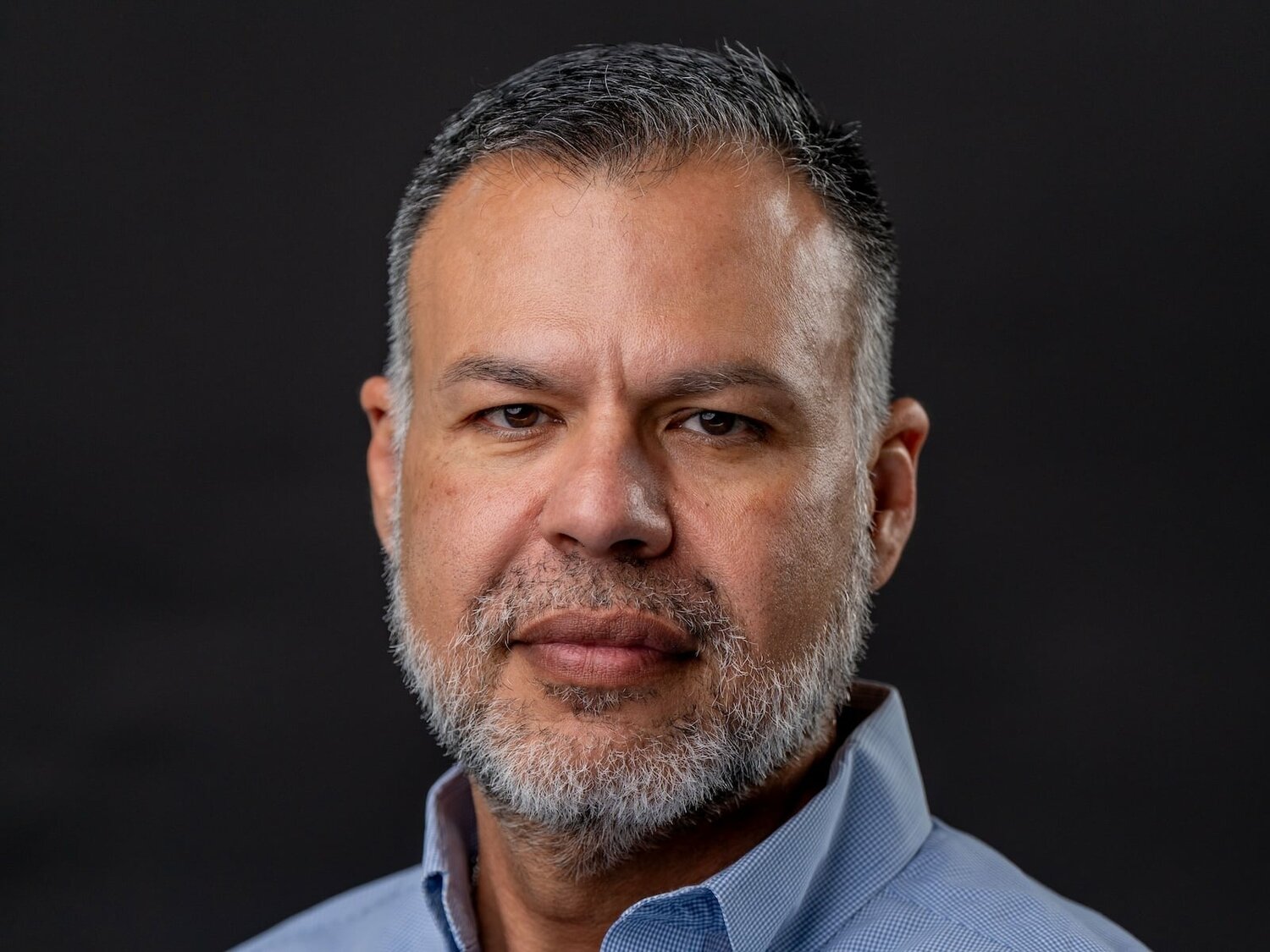
By Moises Arjona Jr.
GLP-1 medications are powerful tools, but they are not the solution to the diabetes crisis.
In recent years, GLP-1 medications such as Ozempic and Wegovy have surged in use, helping patients reduce weight and improve A1C levels. A1C, or Hemoglobin A1C/HbA1C, is a simple test that measures your average blood sugar levels over the past two-to-three months. This is the test used to diagnose a person with type 1 or type 2 diabetes. Between 2018 and 2023, usage surged from 5% to 63%. These results are promising. But an important question remains: Are patients prepared for what happens when the medication stops?
It’s well documented that GLP-1s do help people lose weight and lower their A1C, but it is also often true that once someone stops, all that progress can be for naught. Unfortunately, once off GLP-1’s, it is not unusual for patients to soon return to their previous unhealthy eating habits, but now with a reduced resting metabolic rate. Within one year, many will have regained the lost weight. To make matters worse, not only will many regain their lost weight, but they will also have elevated A1C’s which can exacerbate type 2 diabetes.
There is no doubt these medications can deliver real, life-saving results. But as we’ve established, they are not a silver bullet. My concern is that many patients do not fully understand how to use GLP-1’s effectively as part of a long-term health strategy. These drugs are not cures; they are supports. Without a genuine lifestyle rearrangement: proper nutrition, physical activity, and behavioral changes, the benefits these drugs provide are often difficult to sustain.
While Alabama holds the highest state-wide rates of obesity in adults at 39%, Hidalgo County in the Rio Grande Valley, my home, is second most obese and diabetic county in Texas. Approximately 47% of residents are obese, compared to 34% nationally, and more than 30% are living with type 2 diabetes, nearly three times the national rate. The scale of this national public health crisis demands urgency.
In my work, I consistently see individuals struggle with side effects and a lack of guidance on the lifestyle changes required for success. While many initially lose weight and improve their hemoglobin, new challenges arise like fatigue, muscle loss, and even depression. Rapid weight loss without proper support can leave patients feeling discouraged rather than empowered, particularly when physical changes such as skin sagging or decreased strength affect their confidence.
I understand this reality. As someone who was once obese, living with diabetes and other comorbidities, I experienced the consequences of not taking care of my health. Eighteen years ago, I underwent gastric sleeve surgery. That experience taught me a critical lesson: medical interventions are part of the solution but not the solution itself. Long-term lifestyle changes are vital. Today, I prioritize exercise and healthy eating, knowing that consistency—not shortcuts—is what sustains my health.
Access and affordability are also major hurdles for many of those most in need. GLP-1 medications can cost between $900 and $1,350 per month without insurance, placing them out of reach for many families. According to RGV Health Connect, in 2023, 38% of residents in the Rio Grande Valley lacked health insurance. For those of us who live in a border town, like those in the Rio Grande Valley, many of us can travel to Mexico for doctors visits and low-cost medications, but that still does not solve the problem. Even with insurance, patients may pay anywhere from $25 to $300 per month. While recent policy changes may lower costs for some Medicare recipients, these benefits are limited and do not address the needs of patients younger than 65 and who do not qualify for the Medicare GLP-1 Bridge program.
To be clear, I am not opposed to the use of GLP-1 medications. They can and should play a role in addressing obesity and diabetes. But we must treat them as one piece of a larger strategy. Healthcare providers must ensure patients receive proper education. Policymakers must address access and affordability through working with insurances companies to make the medication affordable for those without insurance, including working with pharmacies to provide discounts if available for those who have financial difficulty, but have been diagnosed with a chronic disease such as obesity and diabetes. And communities must invest in family-based, culturally relevant approaches to health.
In the Rio Grande Valley, food is central to how we connect and show love. Changing that reality is not easy. I know that from my own experience. But with the right education, support, and a multigenerational approach, we can reshape habits, improve outcomes, and build healthier communities. That is how we will truly begin to reverse the diabetes crisis.
Editor’s Note: The above guest column was penned by Moises Arjona, Jr., CEO of Unidos Contra la Diabetes. The column appears in The Rio Grande Guardian International News Service with the permission of the author.
make sure the article is SEO-optimized following all the SEO Guides, from Focus Keyword to H2 and H3 titles and so on.
the article must explain all the details in a very clear and engaging structure.
very important: Use external links for keywords and sentences inside the article you will generate to boost the SEO.
Avoid writing any author related or donation related texts.
Avoid writing what you did in the articles because the article is published for visitors to read.
