


Rewrite a fully new long article using the information from
By Dayna Reyes, Reporter
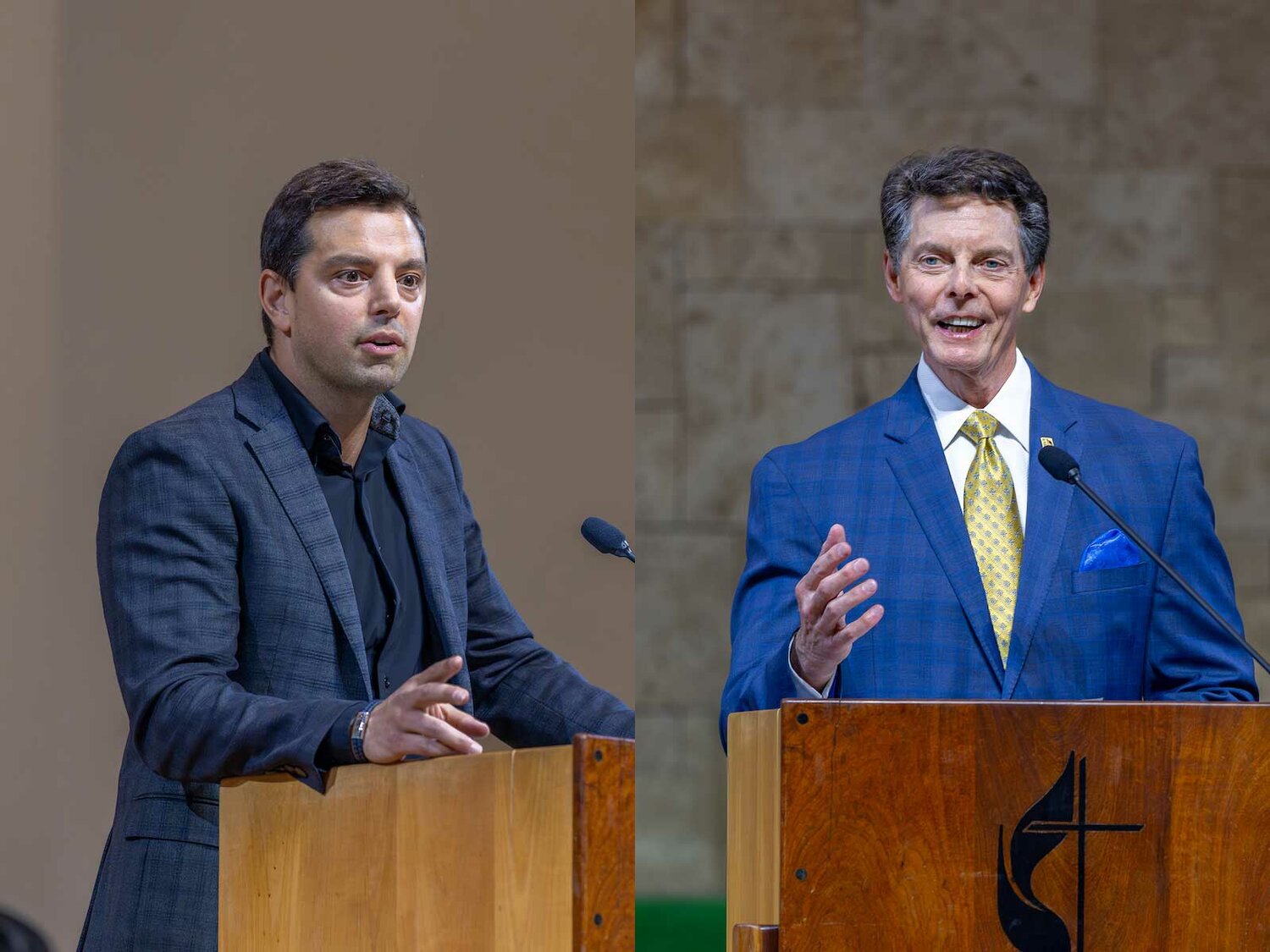
SAN ANTONIO, Texas – Jaime Wesolowski, president and CEO of Methodist Healthcare Ministries of South Texas, has described the general state of health in the Rio Grande Valley. It does not look good, he said, in a short video.
“If you go to the Rio Grande Valley and you look at it, one in three people there have type two diabetes. One in two people are obese. The people we’re supposed to be helping are not getting better,” Wesolowski said.
“In spite of all of our efforts, they’re getting worse. So it (the work we do) needs to be more than downstream work. It needs to be upstream work. So we really start working on non-medical drivers of health. And so that’s why Blue Zones fits so nicely with us because all the Blue Zones elements, the nine elements, are all non-medical drivers of health,” Wesolowski said.
Dan Buettner, Jr., executive vice president and chief development officer for Blue Zones, praised Wesolowski.
Commenting on the remarks he gave on the video, Buettner said:
“A health system president shared something that should sit uncomfortably with every hospital in this country. His region has one of the highest diabetes and obesity rates in America. His teams are doing everything right. And his patients keep getting sicker.”
Buettner said good clinicians can’t fix a bad environment.
“You can run the best hospital in the state and still lose to the conditions people go home to every single day. That’s the part the healthcare industry keeps skipping. Prevention is a redesign of the environment itself.”
He added: “Wesolowski figured that out before most. That’s why he’s building something different. Is your health system treating symptoms or rebuilding the environment behind them? Tell me where you land.”
Wesolowski and Buettner joined forces earlier this year to look into the possibility of implementing the Blue Zones program in the Valley. They sought input from community groups and health leaders in the cities of Edinburg, McAllen, Mission, and Pharr. The results of their Blue Zones Ignite Assessment will be revealed in meetings later this month.
“We are pleased to invite you to attend one of four upcoming Blue Zones Community Assessment Readouts taking place July 20–21 in Mission, Pharr, McAllen, and Edinburg. These sessions are designed to close the loop on the assessment process and create a shared understanding of what was learned and what may be possible moving forward,” Methodist said.
Th meetings in Mission and Pharr will take place on July 20. The meetings in McAllen and Edinburg will take place on July 21.
At each readout, the Blue Zones team will share:
* Key strengths and opportunities identified through interviews, focus groups, tours, and community input
* Highlights from local well-being data and what it reveals about daily life in the Rio Grande Valley
* Readiness and feasibility insights for pursuing a long-term Blue Zones Project
* What a long-term Blue Zones partnership could look like and how it could support lasting change
To learn more about the Blue Zones Ignite Assessment in the Rio Grande Valley, visit: Ignite Rio Grande Valley.
“Methodist Healthcare Ministries is bringing together civic and community leaders to work with Blue Zones to make healthy choices easier and more accessible for all who live in and visit the Rio Grande Valley. Through community well-being enhancements, we are working to help the region’s citizens thrive and reach their full potential for health and for life,” MHM said.
“Blue Zones is the proven innovator for improving the well-being of large populations, with remarkable success in cities, businesses, and states across America.
“In this phase, Blue Zones global experts are performing a Blue Zones Ignite Readiness Assessment, a structured exploration of the Rio Grande Valley. They are working with our local community health leaders and organizations to learn and assess the state of our well-being. Becoming a Blue Zones Community is a three-phase process, and the Readiness Assessment is the first step.”
make sure the article is SEO-optimized following all the SEO Guides, from Focus Keyword to H2 and H3 titles and so on.
the article must explain all the details in a very clear and engaging structure.
very important: Use external links for keywords and sentences inside the article you will generate to boost the SEO.
Avoid writing any author related or donation related texts.
Avoid writing what you did in the articles because the article is published for visitors to read.
