


Pope Leo XIV’s Historic Visit to Equatorial Guinea: A Beacon of Hope Amidst Challenges
MALABO, Equatorial Guinea — Pope Leo XIV has embarked on the concluding leg of his significant four-nation African journey, landing in Equatorial Guinea on Tuesday. This visit marks a historic moment as it is the first papal trip to the country since St. John Paul II’s visit in 1982, bringing a wave of excitement and hope to the Equatoguinean populace.
A Warm Welcome
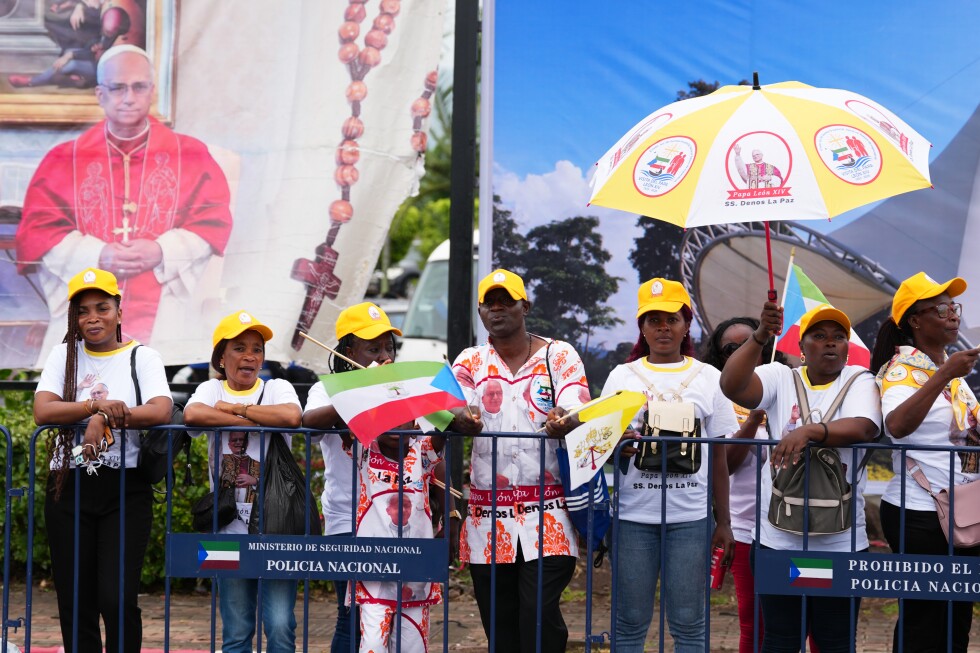
As the Pope made his way from the airport to the capital, Malabo, he was greeted by excited crowds lining the streets, eager to catch a glimpse of the Pope in his formal red mozzetta. The adoration was palpable, especially from voices like Diosdao Marques, a senior Catholic official, who said, “There is a lot of joy today because we waited 44 years for the pope to come. It’s a blessing for the country; we hope many things will change and we will deepen our faith.”
The Political Landscape
Equatorial Guinea, a former Spanish colony situated on Africa’s western coast, has been under the lengthy rule of President Teodoro Obiang Nguema Mbasogo since 1979, making him Africa’s longest-serving president. His administration faces serious allegations of corruption and authoritarianism, rendering the political landscape particularly complex for the Pope’s visit.
Since the discovery of offshore oil in the 1990s, Equatorial Guinea’s economy has transformed dramatically, with oil accounting for nearly half of its GDP and over 90% of its exports, according to the African Development Bank. Despite this wealth, the country grapples with profound poverty, where over half of its nearly 2 million inhabitants live in destitution. Human Rights Watch and other organizations have reported that the riches have disproportionately benefited the Obiang family, leaving much of the population behind.
Addressing Corruption and Social Inequality
Pope Leo XIV has made it clear that he will not shy away from discussing the pressing issues of social equity and corruption during this trip. His recent engagements in Cameroon set a strong precedent for direct dialogue aimed at inspiring change.
Upon his arrival in Yaoundé, the Pope emphasized the need to break “the chains of corruption” that undermine authority and credibility. “Hearts must be set free from an idolatrous thirst for profit,” he declared, challenging entrenched practices that hinder peace and justice.
Religion and Governance in Equatorial Guinea
Equatorial Guinea is classified as a secular state; however, the Catholic Church plays a pivotal role in its political and social fabric. Tutu Alicante, an activist from the U.S.-based EG Justice group, pointed out that church leaders are closely connected with the government, often due to fear and monetary incentives from the ruling party.
Rev. Fortunatus Nwachukwu, a senior official in the Vatican’s missionary evangelization office, reiterated the Church’s role in advocating for justice and human dignity while navigating the challenges of operating in such a constrained system. He emphasized, “The church has to continue preaching justice, always in defense of life, human dignity, and the common good.”
With approximately 75% of the population identifying as Catholic, Equatorial Guinea is among the most Catholic nations in Africa, yet it faces severe repression. The government is notorious for its human rights abuses, flying a stark contrast to the Catholic teachings that promote social justice and equity.
The Corruption Challenge Continues
Equatorial Guinea consistently ranks among the lowest in Transparency International’s annual corruption perception index. Over the years, the government has announced initiatives to combat corruption, such as enacting anti-corruption laws and funding a dedicated commission.
However, Samuel Kaninda, a regional advisor for Transparency International, asserted that these measures would only be effective if the commission remains independent and is backed by a functioning judiciary. He hopes the Pope’s visit will shed light on these critical issues and evoke a sense of optimism among the populace.
Celebrating the Papal Visit
The excitement surrounding Pope Leo XIV’s visit is evident across the nation. Many locals, like Juliana Bopabote Lopete, traveled long distances to witness the historic event. “Today is a big celebration,” she proclaimed, delighting in the festive atmosphere, complete with traditional music and vibrant attire portraying the Pope’s image. Local seamstress Tumi Carine expressed the positive economic impact of the event, saying, “The coming of the pope brought us many customers.”
A Packed Itinerary
Pope Leo XIV has a busy agenda while in Equatorial Guinea. He is set to meet with President Obiang and deliver speeches to government officials and at the national university. In addition to celebrating Masses, he plans to visit a psychiatric hospital, a prison, and engage with the youth and their families. Before concluding his visit, he will also pay homage to victims of a tragic explosion in Bata in 2021 that claimed over 100 lives.
As the Pope’s journey unfolds, it brings hope for change amidst long-standing challenges in Equatorial Guinea, fostering the possibility of a brighter future for its citizens.
For further reading about the Catholic Church’s role in governance and social issues in Africa, check out articles from The Guardian and Al Jazeera.
