


Escalating Tensions in the Gulf: Israel’s Bold Assault on Iran
In a significant escalation of regional tensions, Israel has launched an airstrike on a critical petrochemical facility in Iran’s South Pars natural gas field, a move that resulted in the death of a prominent commander from Iran’s Revolutionary Guard. This strike raises serious questions regarding ongoing negotiations aimed at establishing a ceasefire between the United States and Tehran.
Targeting Strategic Assets
Israel’s Defense Minister, Israel Katz, confirmed the operation described as “a powerful strike on the largest petrochemical facility in Iran,” which is responsible for a staggering 50% of the nation’s petrochemical production. The South Pars field, which shares its resources with Qatar, is recognized as the largest gas field globally, lying beneath the waters of the Persian Gulf. The Israeli military has asserted that Iran will have "no immunity" from further strikes as diplomatic talks progress.
In the wake of the attack, Tehran reported a series of explosions and low-flying military aircraft over the capital. Notably, one of the airstrikes hit the grounds of Sharif University of Technology, causing damage to several buildings and a nearby natural gas distribution site. Among those killed was Maj. Gen. Majid Khademi, head of intelligence for the Revolutionary Guard, as well as Asghar Bakeri, a leading figure in Iran’s Quds Force.
Rising Retaliatory Actions
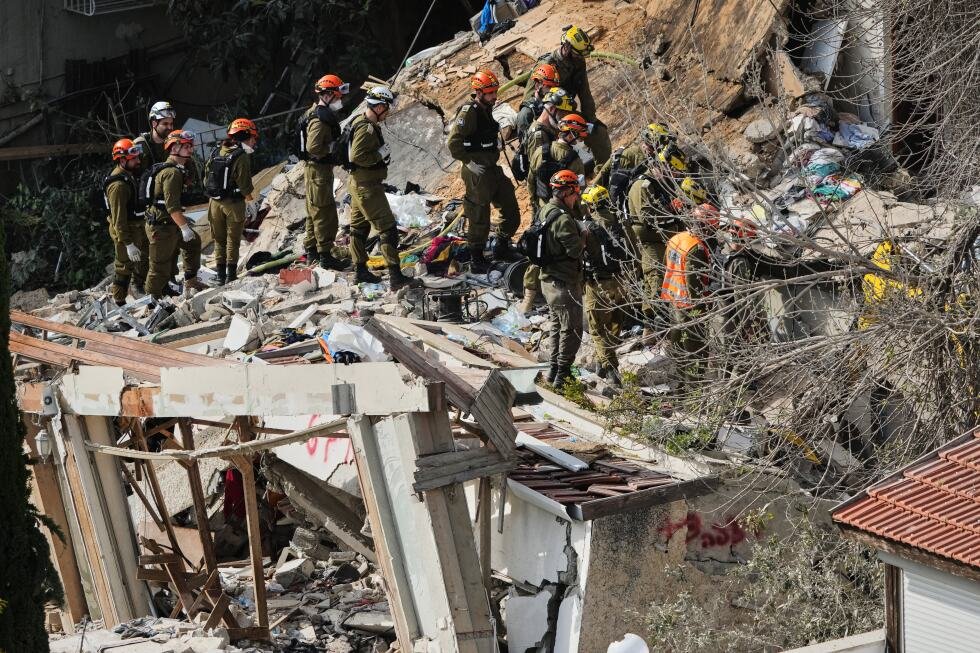
The conflict intensified as Iran retaliated with missile strikes targeting the northern Israeli city of Haifa, resulting in casualties and considerable property damage. Countries in the Gulf region, including Kuwait, the United Arab Emirates, and Saudi Arabia, activated their air defenses in anticipation of further Iranian assaults.
The geopolitical landscape remains volatile, especially as Iran continues its military focus on regional energy infrastructure and maintains its strategic control over the Strait of Hormuz, a vital maritime route responsible for the transport of a fifth of the world’s oil.
U.S. Involvement and Pressures
As the deadline set by former President Donald Trump approaches, calls for diplomatic engagement have gained momentum. Following an attack on South Pars in March, Trump indicated that any continued assaults on Qatar’s energy resources would provoke a U.S. response, hinting at potentially destructive repercussions for Iran.
Currently, mediation efforts from Egypt, Pakistan, and Turkey are ongoing, proposing a 45-day ceasefire and the reopening of the Strait of Hormuz to facilitate peace talks. Both the U.S. and Iranian officials have yet to respond to this proposal, leaving the situation precarious.
International Reactions and Economic Implications
European Council President António Costa has advocated for dialogue, condemning any targeting of civilian and energy infrastructure as illegal. His insistence on diplomatic resolutions underscores the dire consequences of escalating violence.
Meanwhile, global energy markets react swiftly to the situation, with Brent crude oil prices soaring, reflecting the market’s reaction to increased military actions in the region.
Escalation of Military Actions
The conflict’s toll continues to escalate, with more than 1,900 fatalities reported in Iran since the beginning of hostilities. In an alarming series of airstrikes, reports indicate that over 25 individuals have died in various locations across Iran. Strikes near Eslamshahr and in Qom resulted in significant civilian casualties, raising concerns over the humanitarian impact of the ongoing military operations.
In Lebanon, Israeli airstrikes have targeted locations associated with the Iranian-backed Hezbollah group, further aggravating tensions in the region. The overall death toll across the various conflict zones in the Middle East runs into the thousands, affecting both military personnel and civilians alike.
Conclusion
As the situation in the Gulf unfolds, the stakes remain high. The Israeli airstrike on Iran’s petrochemical facility and the subsequent responses highlight a rapidly deteriorating security environment, with far-reaching implications for international diplomacy and global energy markets. The international community watches closely, hopeful for resolutions that can curb further bloodshed and restore stability in a region long fraught with conflict.
