


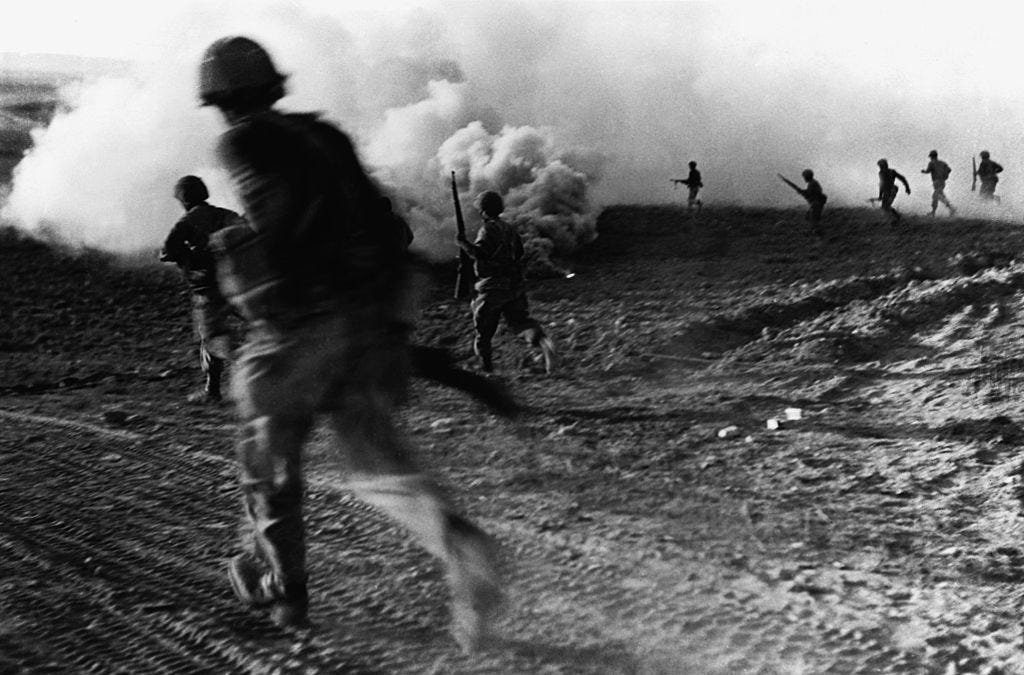
Understanding the Complex Dynamics of Modern Warfare: The Case of Iran
The ongoing situation in Iran exemplifies the intricate realities of modern warfare and geopolitics. As global powers engage in military and diplomatic maneuvers, the implications for stocks, bonds, and economic growth remain profound. This article explores how powerful nations often find themselves in a precarious position when involved in conflicts, particularly in Iran, while analyzing the potential consequences on economic markets.
The Historical Context of Warfare and Power Dynamics
Throughout history, great powers often believed they were winning wars, only to experience unforeseen setbacks. Niall Ferguson elaborates on this phenomenon in his analysis about how nations misjudge victories in warfare. As tensions grow in regions like Iran, understanding the underlying principles that lead to military failures becomes crucial. Ferguson’s perspective serves as an important baseline for comprehending these complexities.
The Shifting Goals of the Trump Administration in Iran
As administrations change, so too do their goals and strategies regarding Iran. The shifting list of objectives has created uncertainty, particularly within international markets. Current policies often reflect a lack of coherent strategy, complicating long-term diplomatic solutions. CNN provides a comprehensive overview of these evolving aims, which can significantly influence market reactions to geopolitical events. Explore CNN’s insights to better grasp this paradigm.
Economic Implications of Conflict: Stocks, Bonds, and Growth
The potential for military engagement in Iran has far-reaching implications on various economic fronts. Analysts are raising concerns about how an Iran war might affect investor sentiment and asset prices. The New York Times sheds light on these possibilities, underlining how investor behavior may shift based on geopolitical growth prospects.
Tactical Assessments of War in Iran
To comprehend the intricacies of potential conflict, it is vital to evaluate the tactical situation on the ground. The Council on Foreign Relations offers a robust analysis of the war’s current standing, providing insights into key players and strategies, while outlining the critical importance of intelligent, adaptable responses in international relations.
Conclusion: The Path Forward in Military Engagement
In light of the complexities surrounding warfare in Iran, understanding the path to conflict resolution becomes paramount. Predicting the outcomes of military engagements is fraught with uncertainty, yet it is essential for governments and investors alike to remain aware of evolving geopolitical landscapes. The analysis provided by War on the Rocks regarding how these conflicts may ultimately resolve can guide markets and serve as a framework for policymakers moving forward.
As the global landscape evolves, staying informed and engaged with accurate analyses will empower readers to navigate the complexities of wars and geopolitical shifts—particularly those related to Iran.
