


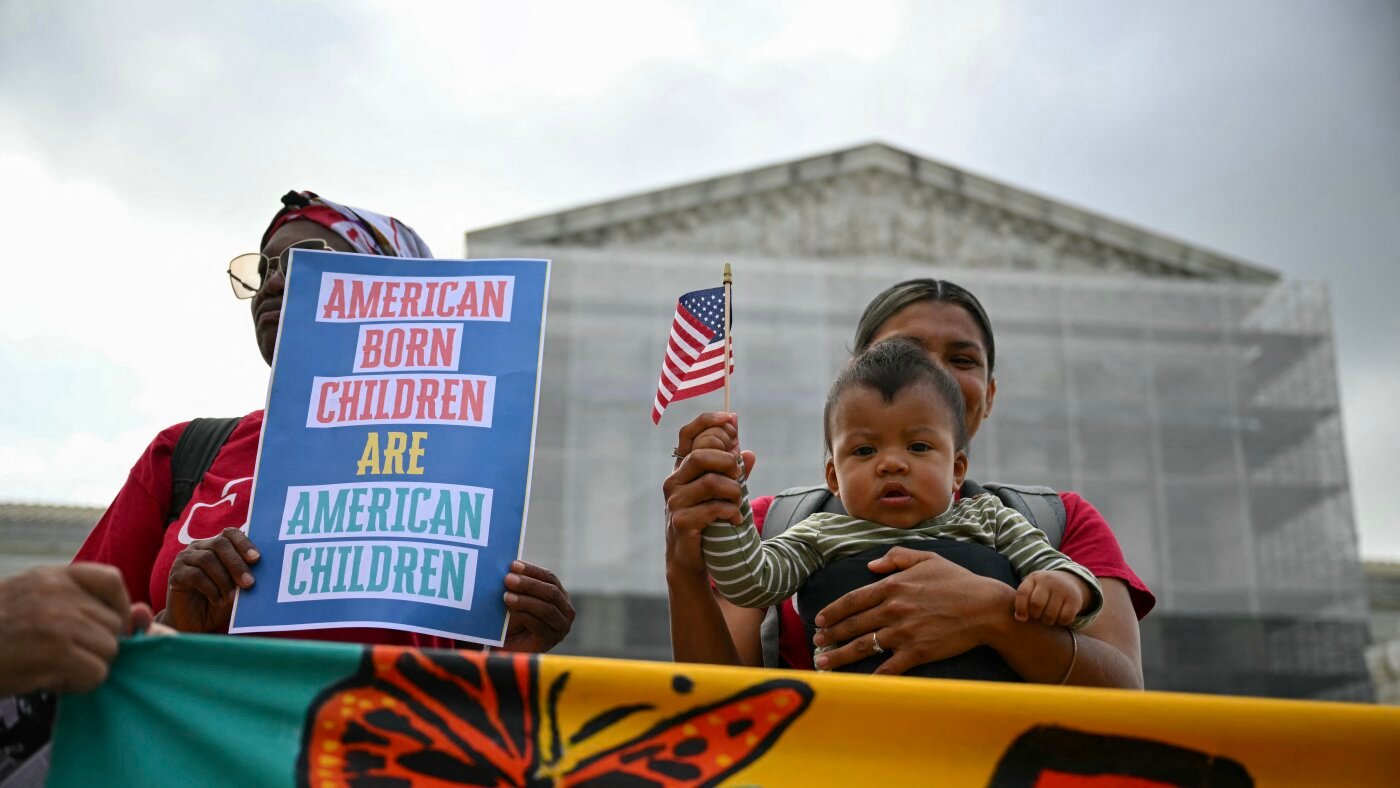
The Impact of Birthright Citizenship on Families and Infants
The ongoing debate over birthright citizenship in the United States is more than a political discussion; it’s deeply personal and affects countless families. Central to this discourse is the idea that “birthright citizenship” ensures that any baby born on U.S. soil automatically becomes a citizen. This principle faces challenges that could have ripple effects across American society, healthcare, and family structures.
Understanding Birthright Citizenship
Currently, when a baby is born in an American hospital, they are automatically granted citizenship. This status allows them immediate access to vital healthcare services throughout their infancy. This is crucial, especially for families who rely on programs like Medicaid, which covers prenatal and postnatal care. In fact, Medicaid finances approximately 40% of all births in the U.S., ensuring that mothers and their newborns receive necessary medical attention during and after pregnancy.
For many families, this means a healthy start to life. Pregnant women, regardless of their immigration status, can access healthcare services that are foundational for their well-being and that of their babies. The result? Babies born in the U.S. emerge into a system designed to support their health and development.
The Stakes of Change
As the Supreme Court considers arguments regarding the potential end of birthright citizenship, many advocates express concern over the implications for children born to immigrant parents. An estimated 300,000 babies were born to undocumented parents in 2023 alone, and any changes to citizenship laws could disadvantage not just these families but all parents in the country.
Without birthright citizenship, all parents would need to prove their own citizenship to ensure their children can access the same benefits. This bureaucratic shift could create significant obstacles to healthcare access for countless families. Imagine the stress placed on a new parent needing documentation in order to secure critical medical services for their newborn—this could result in gaps in continuity of care, possibly leading to poorer health outcomes.
Consequences of Health Coverage Disruption
The early weeks following a baby’s birth are marked by numerous healthcare appointments, including well-child visits and immunizations. In cases where a newborn faces health challenges, seamless access to care can be lifesaving. If birthright citizenship is overturned, this stability may be at risk. The thought of parents potentially being denied basic health coverage for their children due to their own citizenship status is daunting.
Current data indicates that approximately 3.6 million babies are born in the U.S. annually, and all are eligible for a Social Security number, which is essential for accessing health insurance and social services. Any change could disrupt the established protocols that facilitate this vital process, leading to more confusion and stress for families trying to navigate a complex healthcare landscape.
The Bureaucratic Burden
If birthright citizenship ceases to exist, parents will face substantial challenges in proving their eligibility and that of their newborns for healthcare and welfare services. This added complexity could deter many from seeking necessary medical care. Hannah Steinberg, a staff attorney at the ACLU, emphasizes that the need for established documentation could be particularly problematic for families with unique circumstances, such as those involving surrogacy or where one parent is not identifiable.
The administrative burden born by families could stretch resources thin and result in denied access to essential services.
Socioeconomic Implications
This potential policy change poses not only health risks but also socioeconomic consequences. Arturo Vargas Bustamante of the UCLA Latino Policy and Politics Institute highlights that the fear induced by changing immigration policies can cause families to avoid seeking prenatal care altogether. This hesitation can lead to long-term health effects for their children, including heightened risks for low birth weight.
In fact, a striking statistic reveals that approximately 75% of children born to noncitizen parents belong to Latino households, underscoring the significant implications for this demographic.
The Emotional and Psychological Toll
Beyond the health and administrative concerns, the emotional and psychological impacts of these legislative changes cannot be overlooked. Families may find themselves in precarious situations where fear of law enforcement or immigration officials hinders their ability to seek healthcare. This fear could extend to everyday activities, affecting the social fabric of communities across the nation.
Conclusion
The discussion surrounding birthright citizenship is not a mere abstract legal issue; it is a matter that affects the lives of millions of families across America. On the brink of significant legislative changes, the importance of protecting the rights of newborns and ensuring their access to essential services cannot be overstated. As this debate unfolds, it is crucial for lawmakers and advocates to approach these changes with an understanding of the broader consequences on children, families, and society as a whole.
For further information, consider exploring resources from organizations like First Focus on Children and the ACLU that offer insights into this ongoing discussion.
