


The Deeply Troubling Response to Haitian Migrants at the U.S.-Mexico Border
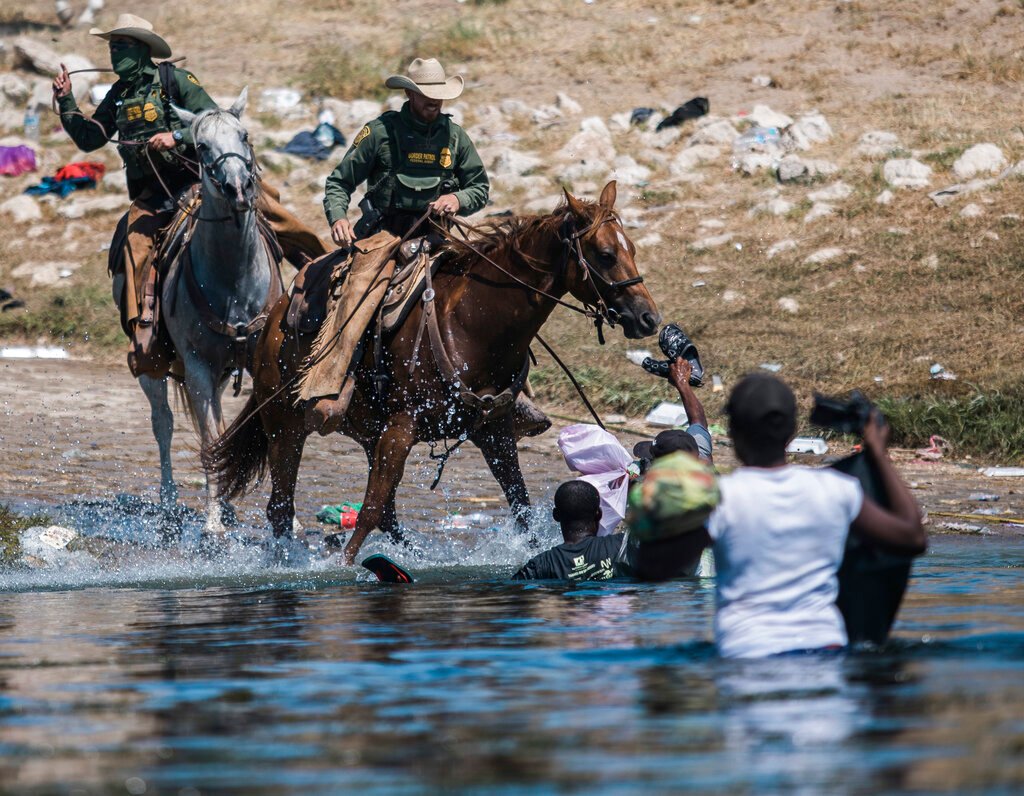
Recently, shocking images emerged from the Del Rio-Ciudad Acuña International Bridge that have sparked widespread outcry across the nation. These photos depict Border Patrol agents on horseback aggressively pursuing vulnerable individuals, including many Haitian migrants, creating scenes reminiscent of livestock being rounded up. This episode has raised significant ethical concerns and prompted federal officials, including Homeland Security Secretary Alejandro Mayorkas and White House Press Secretary Jen Psaki, to label these actions as “horrific.” The agents involved have since been reassigned to administrative duties while an investigation unfolds.
The Context of the Incident
NPR photographer Paul Ratje captured the now-infamous images and videos that have led to public outrage. According to Ratje, the Haitian immigrants featured in the footage were returning to the bridge after crossing into Ciudad Acuña, Mexico, to purchase basic necessities. The Border Patrol agents reportedly charged at them unprovoked, causing panic among the migrants as they fled in different directions—not towards safety, but away from the officers on horseback.
Dehumanization in Immigration Discourse
This troubling incident underscores the dangers of using dehumanizing language when discussing immigration. Over the years, many media outlets, including ours, have fielded calls from individuals demanding the use of terms like “illegals” or “aliens.” However, using such language not only strips individuals of their humanity but also contributes to a culture that allows for mistreatment and violence against them.
Dehumanization often arises as a tactic in propaganda, particularly during times of conflict. Throughout history, wartime rhetoric has referred to opposing groups in ways that frame them as less than human—making it easier for soldiers and civilians to support violent actions against them. Terms like “Yankees” and “Rebs” during the Civil War served a similar purpose as did derogatory terms used during the Vietnam War. The normalcy of employing such terminology is troubling, especially when considering that proper human dignity should always be afforded to those in need, regardless of their nationality.
Political Rhetoric and the Consequences
The destructive political rhetoric surrounding immigration has intensified the situation at our borders. Former President Donald Trump’s derogatory remarks about Haiti, where he referred to the country as a “s—hole,” reflect a sentiment that fuels prejudices and justifies inhumane treatment of immigrants. After years of hearing such incendiary language from political figures, it is no surprise that some border agents might view those seeking refuge and opportunity as less than human.
Furthermore, some individuals who insist on using derogatory labels often promote a narrative that frames immigration as an “invasion,” fostering a mindset that perceives migrants as threats. This perspective could not be further from the truth: the individuals arriving at our borders, regardless of their background, are not adversaries seeking to harm us but potential neighbors who wish to contribute positively to our communities.
The Moral Imperative
As members of a shared society, it’s crucial to recognize that every individual—regardless of their immigration status—deserves basic human rights, dignity, and respect. It is essential to adopt language and attitudes that elevate, rather than diminish, the worth of these individuals. By reframing the narrative of immigration from one of invasion to one of opportunity, we can build a more inclusive society.
Moving Forward: A Call for Compassionate Dialogue
The shocking images from the border should serve as a wake-up call for all of us. We must advocate for a more humane approach to immigration and hold accountable those who perpetuate violence against vulnerable populations. It is imperative to foster dialogue that emphasizes compassion rather than hostility.
In conclusion, the scenes at the Del Rio-Ciudad Acuña International Bridge illuminate the urgent need for a change in our national conversation around immigration. By refraining from dehumanizing terminology and embracing a more compassionate stance, we can help create a society that welcomes diversity and recognizes the inherent dignity of every individual. As we move forward, let us remember that the goal is to see others not as threats but as potential allies in building a stronger, more inclusive America.
For more information on the ongoing situation at the border and the importance of respectful dialogue regarding immigration, visit credible sources such as NPR or Human Rights Watch.
