


The Healthcare Accessibility Challenges in Rural Texas: Focus on Fort Hancock
Introduction
In rural communities like Fort Hancock, Texas, healthcare access poses significant challenges that encompass issues of transportation, resource availability, and the socioeconomic factors influencing residents’ health. With a population of just over 1,200, this small town in Hudspeth County exemplifies the struggles faced by many residents living in medically underserved areas.
The Journey to Care
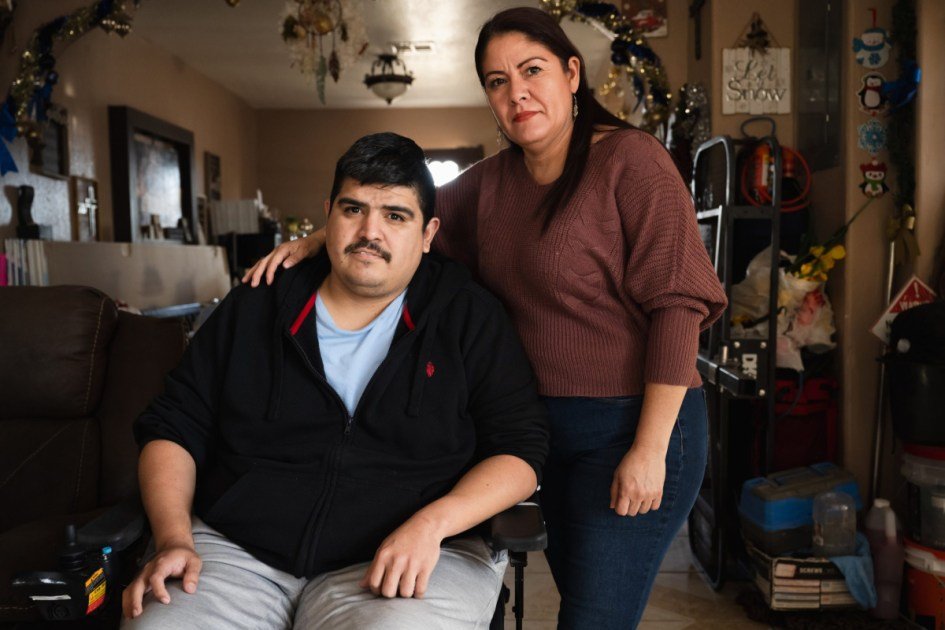
Residents like Juvencia Padilla frequently make the 90-minute trek to El Paso for medical appointments. This journey is not merely a casual drive; it’s a critical necessity for her son, Florentino Hernandez Jr., who became paralyzed from the waist down after a car accident. Padilla’s role as a full-time caregiver demands that she navigate a labyrinth of medical needs, from physical therapy to surgery follow-ups, all while managing her other responsibilities as a mother.
A Dependent Journey
Padilla often listens to Mexican corridos, music that reflects tales of struggle and resilience, during the long journey. Her son’s medical condition complicates their lives and illustrates a stark reality: the greater the distance, the greater the difficulty in seeking timely medical assistance.
Medically Underserved Areas
Fort Hancock belongs to one of the 29 border counties in Texas officially recognized as medically underserved, according to the U.S. Health Resources and Services Administration. This designation highlights the lack of primary care services and healthcare facilities available to residents. As a result, individuals often wait longer for essential treatments and services.
A Lack of Facilities
The closure of a health clinic in Sierra Blanca, the county seat, left only one federal clinic serving a vast territory of 4,570 square miles, which includes Fort Hancock. Moreover, residents face the stark reality: they must travel over an hour to reach any substantial medical care.
The Societal Impact of Limited Healthcare Access
Vulnerability Among Residents
According to recent studies, individuals living in these underserved areas are typically older, have low income, and struggle with chronic health conditions such as diabetes and obesity at rates higher than the state average. In 2021, 16% of border county adults reported being diagnosed with diabetes—5% higher than the average for all Texans.
Emergency Situations
The crisis deepens when emergencies arise. For instance, Luz Rodriguez recalls the harrowing experience of waiting for an ambulance when her husband was unable to breathe. The county’s limited emergency services mean that residents often face life-threatening delays for urgent care.
Navigating Care and Costs
Many families grapple with complex decisions when it comes to healthcare, balancing immediate medical needs against everyday financial realities. Padilla, for example, has not seen a doctor in over five years, primarily due to her responsibilities and lack of health insurance. Relying on home remedies allows her to maintain some form of health, but it raises questions about long-term wellness.
Broken Infrastructure
The ongoing struggle for adequate medical equipment further complicates matters. Padilla has been attempting to have her son’s wheelchair repaired but continues to face delays. The mismatch of essential equipment is not just a nuisance—it impacts his mobility and overall health.
Local Efforts and Solutions
Community Cooperation
Despite the numerous challenges, local health initiatives do exist. Projects like the Area Health Education Center Scholars program are instrumental in providing healthcare services to underserved populations. This initiative brings health professionals to the community and serves as a beacon of hope for families lacking access to basic healthcare.
Telemedicine Initiatives
Experts suggest that solutions such as telemedicine could bridge the healthcare gap in rural areas. Telehealth provides a platform for patients to consult doctors without the burdens of long travel, making healthcare more accessible and efficient, especially for chronic conditions.
Public Transportation Improvements
Access to public transportation is another essential piece. Expanded transportation options will ensure that residents can reach medical facilities in surrounding areas, further mitigating the barriers posed by distance.
Conclusion
The struggle for accessible healthcare in Fort Hancock, and similar rural areas, demands attention and coordinated efforts toward sustainable solutions. By leveraging community resources, enhancing telehealth options, and investing in public transit, we can improve the health outcomes of residents and ensure that no one is left behind due to geographic constraints. As a community, the road to better healthcare may be long, but with collective action and innovative strategies, progress is possible.
For additional insights on healthcare inequities and access issues, consider exploring articles from NIH and CDC, which delve into the various aspects of public health challenges across the United States.
