


Escalating Conflicts: Israel’s Military Actions Against Iran Amid US Negotiations
The geopolitical landscape surrounding Israel and Iran has taken a dramatic turn as the Israeli military has intensified its strikes on Tehran. This escalation comes soon after Donald Trump announced a pause in U.S. attacks on Iranian energy infrastructure, claiming recent talks with Iran were "productive."
Israeli Defense Forces Launch New Strikes
The Israeli Defense Forces (IDF) have confirmed that they will persist with military operations as directed by the Israeli government. Following President Trump’s remarks, the IDF took to social media to declare that they had initiated another phase of strikes targeting what they described as the "infrastructure of the Iranian terror regime." Approximately 40 minutes after Trump’s announcement regarding the extension of the deadline for attacks on Iranian power plants, the IDF confirmed the commencement of their military campaign.
These new strikes appear to be part of a broader strategy, with an IDF official downplaying any connection to the U.S. negotiations. The official emphasized that Israel operates independently and will continue to execute strikes in Iran according to established plans, irrespective of political discussions taking place elsewhere.
The Scale of the Attacks
Reports from Al Jazeera report that the intensity of the explosions in Tehran was "unprecedented," indicating a significant escalation in military operations. While Israel had not explicitly threatened to strike energy facilities recently, the Israeli defense minister, Israel Katz, warned that targeting Iranian infrastructure would lead to serious consequences.
On a separate front, Iran’s Revolutionary Guards announced they had launched counter-attacks targeting Israeli assets, further indicating the volatile nature of the current situation.
U.S.-Iran Dialogue and Its Impact
In his conversations on social media, Trump emphasized the productive nature of discussions between Washington and Tehran, thereby issuing instructions for U.S. military activities to be temporarily suspended concerning Iranian energy facilities. This move highlights a complex interaction between military strategy and diplomatic negotiations.
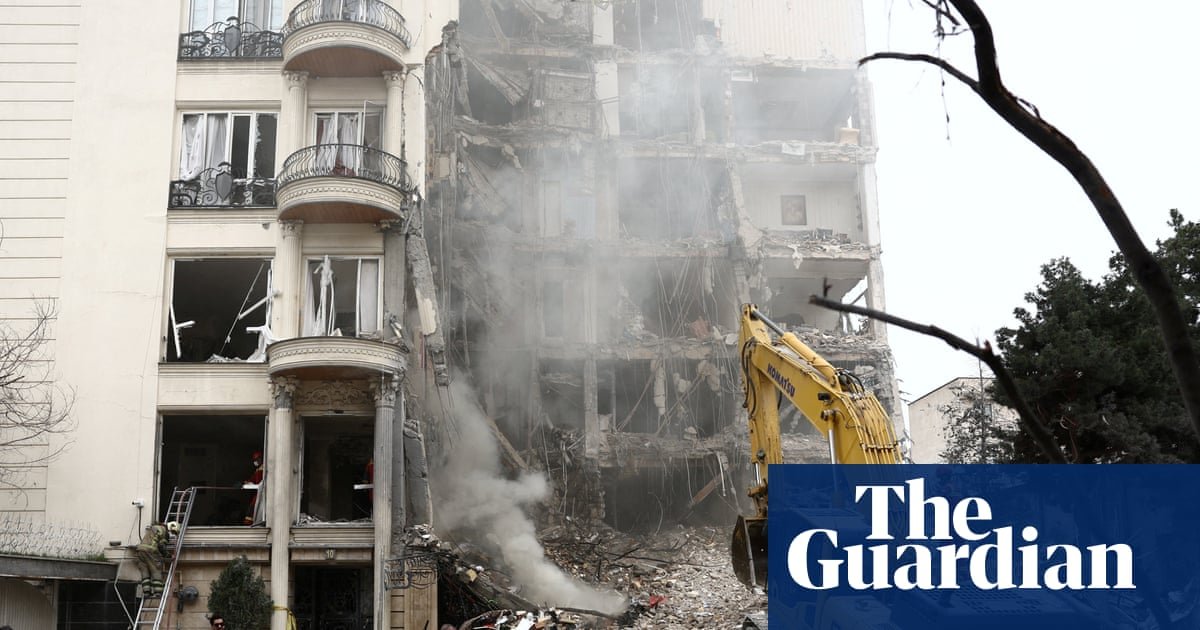
Despite the U.S. stance on pausing attacks, Israeli military operations proceeded unabated. As reported, the IDF targeted various military facilities, including headquarters of the Islamic Revolutionary Guard Corps and other key defense installations.
Humanitarian Consequences
The Human Rights Activists News Agency (HRANA) documented alarming figures: within the last 24 hours alone, at least 206 attacks across 15 provinces in Iran resulted in a minimal death toll, sparking debates on civilian casualties. Reports identify that approximately 15% of the casualties have been children, with significant fatalities also recorded in cities like Tabriz.
Since the beginning of military engagements, estimates suggest that fatalities may have surpassed 1,500, with some reports indicating numbers could go as high as 3,230 by the 21st of March.
Continued Military Campaigns in Lebanon
Parallel to the actions against Iran, Israel has not relented in its military endeavors in Lebanon, targeting Hezbollah positions in Beirut’s southern suburbs. The IDF captured two members of Hezbollah, drawing attention to Israel’s broader strategy that appears eager to assert dominance in both regions. The strikes have resulted in at least one fatality as Israeli forces called on residents to evacuate key areas before launching their attacks.
Future Considerations
With tensions brewing on multiple fronts, Israeli Finance Minister Bezalel Smotrich has publicly pushed for the annexation of areas in southern Lebanon, hinting at potential expansionist policies. Emphasizing that the military campaign should lead to significant territorial changes, his statements have drawn scrutiny both within Israel and in the international community.
Changing borders and stances may serve to further complicate the already intricate relationship with Hezbollah and Iran as Israel aims to secure its interests amidst escalating regional tensions.
The situation remains fluid, and stakeholders will be keenly observing how diplomatic channels will affect ongoing military strategies. As conflicts evolve, continued dialogue between major players will be vital in preventing further destabilization in the region.
For updates on this situation, you can visit the Guardian or Al Jazeera for comprehensive news coverage.
