


Slovenia’s Parliamentary Election: A Tight Contest Between Liberals and Right-Wing Populists
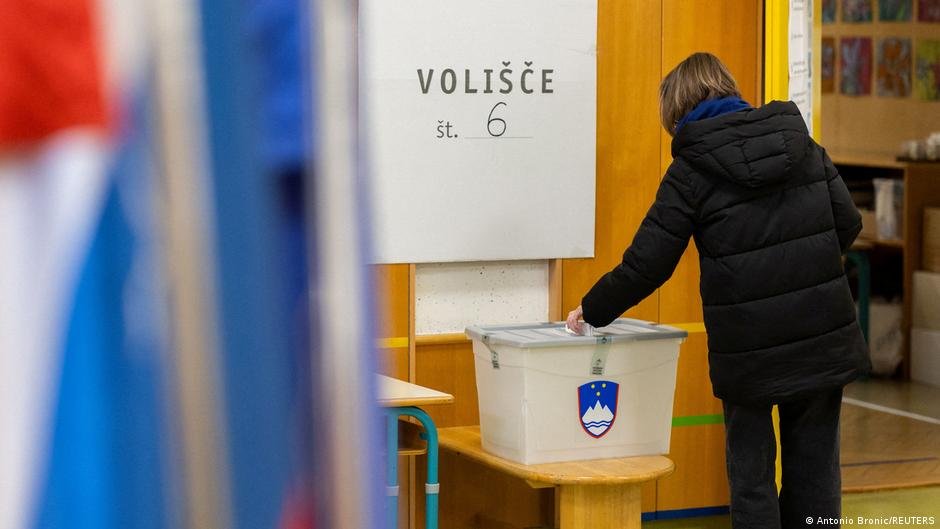
Slovenia held a parliamentary election on Sunday that is poised to result in a narrow contest between two major parties, the ruling liberal Freedom Movement led by Prime Minister Robert Golob and the opposition Slovenian Democratic Party (SDS), headed by populist leader Janez Jansa. With nearly 99% of the votes tallied, early results point to a very close race: Golob’s Freedom Movement garnered about 28.5% of the vote, while the SDS follows closely behind at 28.1%.
A Snapshot of Election Dynamics
Initially, exit polls from public broadcaster TV Slovenia and commercial network Pop TV suggested a more substantial lead for Golob’s party. However, as the counting unfolded, the margins tightened significantly, leaving the election outcome uncertain with no clear majority emerging in Slovenia’s 90-member parliament.
Coalition Negotiations Ahead
In a brief statement after the results were released, Prime Minister Golob expressed optimism about his party’s capacity to lead the next government, albeit noting that "tough negotiations lie ahead." He stated, "In the next term, we will do everything we can to ensure a better future," emphasizing a commitment to progress under a "free sun."
The results signal a critical moment not just for Slovenia but for the broader landscape of European politics. With a population of just two million, Slovenia’s direction may influence whether the EU continues to lean towards liberal policies or shifts towards right-wing populism, mimicking trends seen in neighboring countries such as Hungary and Slovakia.
Key Players in the Election
The election heavily featured Prime Minister Robert Golob and his liberal platform against Janez Jansa, a veteran politician who has served as Slovenia’s prime minister three times and represents the right-wing SDS. The polarized atmosphere leading up to the election saw considerable tension, with neither party projected to secure a dominant parliamentary presence.
Implications for the European Union
This election is particularly significant for Slovenia’s role within the European Union (EU). Golob’s administration has positioned itself as an advocate for the EU’s liberal agenda, while Jansa has been a vocal supporter of radical populist views reminiscent of Donald Trump’s policies, with whom he has expressed admiration.
Since gaining independence from the former Yugoslavia in 1991, Slovenia has oscillated between liberal and conservative governments, joining both the EU and NATO in 2004, which further highlights the stakes involved in the current election.
Allegations of Foreign Interference
Adding to the election’s intensity, allegations emerged alleging foreign interference aimed at swaying voter opinion. Critics accuse Jansa of engaging Black Cube, a private Israeli intelligence agency, to influence the electoral process through the dissemination of videos purportedly documenting government corruption.
Despite facing previous accusations of undermining media freedoms during his tenure, Jansa has dismissed claims of misconduct, admitting only to contact with Black Cube while denying any wrongdoing. The agency’s involvement has raised questions about the integrity of the electoral process.
Calls for Investigation
In a recent address, Prime Minister Golob urged for an EU investigation into these allegations, advocating that "foreign interference is something that shall never be allowed." Notably, Slovenian authorities have stated that operatives from Black Cube were present in Ljubljana during the campaign, which only heightens concerns regarding external influences.
Black Cube, led by former Mossad agents, has remained largely silent regarding the allegations, although the firm has faced controversies in the past, including incidents targeting individuals speaking out against disgraced producer Harvey Weinstein.
Conclusion: What Lies Ahead?
As Slovenia moves forward from this tightly contested election, the path toward forming a government remains unclear. Coalition dynamics, especially with smaller parties potentially playing a pivotal role, are likely to define the country’s political landscape in the coming months. The implications of this election extend beyond Slovenian borders, reverberating throughout the European Union and influencing discussions on the rise of populism and nationalism in the region.
For more information on Slovenia’s electoral history and its impact on European politics, visit DW’s coverage.
