


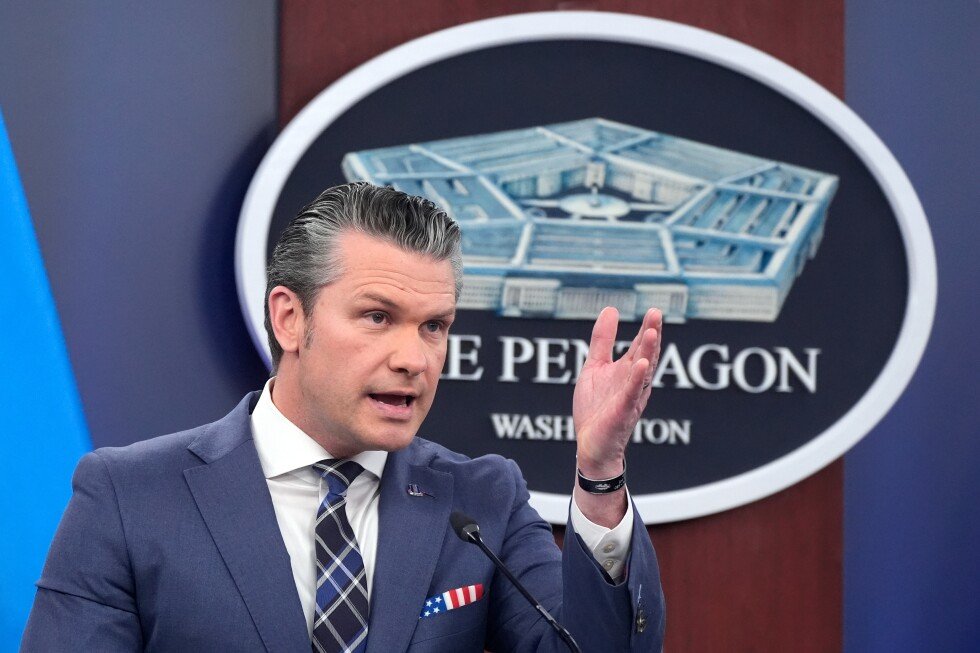
Pentagon Press Policy Struck Down: A Landmark Ruling for Press Freedom
Introduction
A monumental ruling by U.S. District Judge Paul Friedman has underscored the importance of press freedom in the United States. The court’s decision blocks a controversial policy enacted by the Trump administration that sought to limit reporters’ access to the Pentagon. This ruling, which came in response to a lawsuit filed by The New York Times, emphasizes the critical role of free speech and the press in a democratic society.
Background of the Case
The legal battle commenced when The New York Times took legal action against the Pentagon and Defense Secretary Pete Hegseth in December, claiming that the newly implemented credentialing policy was unconstitutional. This policy reportedly restricted press credentials for journalists who walked out of the building in protest against these new regulations. The newspaper argued that the measures violated the journalists’ rights to free speech and due process under the First and Fifth Amendments.
The ruling comes during a time when press access to government operations is crucial, especially concerning military engagements. The current makeup of the Pentagon press corps is predominantly conservative outlets that accepted the terms, while those who refused, including reporters from The Associated Press, continued their military reporting.
Judge’s Ruling: Key Findings
In his ruling, Judge Friedman articulated that the Pentagon’s new policy “fails to provide fair notice” regarding which journalistic practices might lead to a denial or revocation of press credentials. He highlighted that the policy was fundamentally flawed, claiming it aimed to marginalize "disfavored journalists."
Implications for Free Speech
The judge’s assessment aligns closely with the founding principles of American democracy. He stated, “Those who drafted the First Amendment believed that the nation’s security requires a free press and an informed people." This ruling serves as a vital reminder of the need to uphold these principles, particularly amidst ongoing military actions abroad.
Pentagon’s Response
Following the ruling, Pentagon spokesperson Sean Parnell indicated the department’s disagreement with the decision and announced their intention to appeal. Meanwhile, the court mandated that the Pentagon reinstate press credentials for seven journalists from The New York Times and extended this ruling to all journalists affected by the policy, underscoring its broad implications for press freedom.
Support from Press Organizations
The ruling has drawn enthusiastic support from various press entities. The New York Times spokesman Charlie Stadtlander stated, “Americans deserve visibility into how their government is being run.” This sentiment was echoed by Theodore Boutrous, an attorney for The Times, who described the ruling as a “powerful rejection” of attempts to impede press freedom during wartime.
Furthermore, the Pentagon Press Association released a statement celebrating the ruling as a significant victory for journalistic freedom and called for the reinstatement of credentials for all its members. They emphasized that the ruling provides an opportunity for Pentagon leadership to reassess its restrictive policies concerning press access.
National Security vs. Press Access
While Judge Friedman recognized the need to protect national security, he argued this must not come at the expense of public access to information. He noted that in light of recent military conflicts, including operations in Venezuela and the ongoing conflict with Iran, there is an urgent need for diverse perspectives on governmental activities.
He pointed out that the dominant policy appeared to discriminate against journalists whose reporting was not aligned with government narratives, raising concerns about viewpoint discrimination. “It provides no way for journalists to know how they may do their jobs without losing their credentials,” Friedman remarked, highlighting the policy’s inherent flaws.
A Call for Fair Treatment
The judge mandated that the Pentagon report back within a week detailing its compliance with the ruling. He also criticized the inconsistent application of the policy, especially in light of alleged preferential treatment given to certain journalists who accepted the policy over others. This inconsistency raises questions about the fairness and transparency of the Pentagon’s credentialing process.
Conclusion
The outcome of this case is a significant step towards reinforcing the fundamental rights provided under the Constitution. As the Pentagon prepares to appeal the ruling, the implications for press freedom remain profound. This landmark decision serves as a strong reminder of the importance of transparent governmental operations, especially in a time of military engagement. The ruling not only reinstates access for affected journalists but also reinforces the vital role of the press in holding power accountable.
For more information about the ruling and its implications, you can read more on The New York Times or the Associated Press.
