


Tackling Workforce Challenges and Water Scarcity in the Rio Grande Valley
Addressing Urgent Needs in the Region
Amid growing concerns of water scarcity and labor shortages, a new workforce initiative is set to launch in the Rio Grande Valley. Recent interviews with key stakeholders echo the urgency of this undertaking, emphasizing the need to protect valuable water resources and ensure their safe treatment for reuse.
The Current Landscape of Water Management
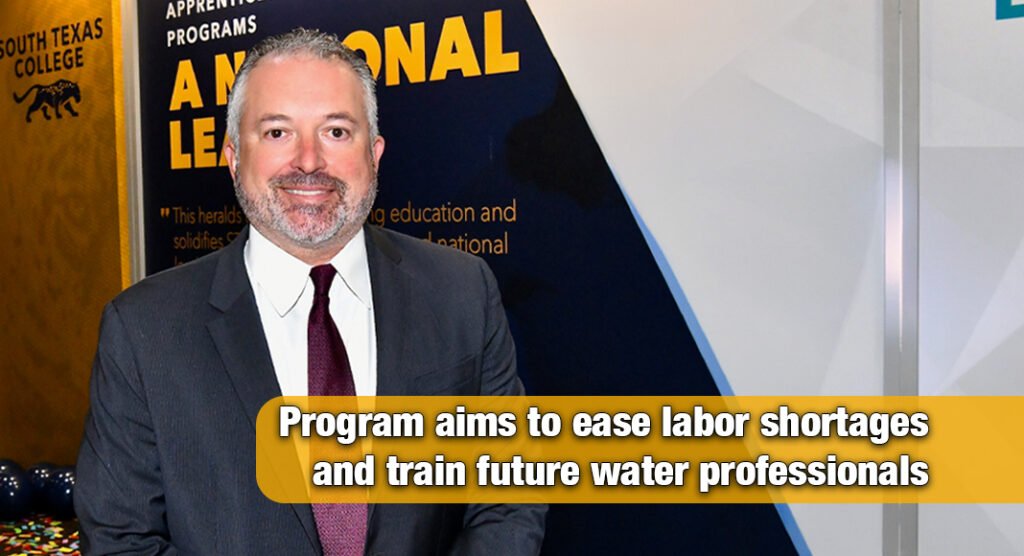
Drought conditions and a diminished water supply in the Rio Grande have prompted local authorities to recognize the critical importance of sustainable water management. As highlighted by Dr. Carlos L. Margo, Dean of the Center for Advanced Training and Apprenticeships Technology Campus at South Texas College, a severe shortage of technically skilled workers is exacerbating the situation. "There is a lack of individuals interested in entering the water and wastewater industry," Margo stated, noting that the problem is likely to worsen as approximately 30-50% of the current workforce is projected to retire within the next decade.
Implications of a Workforce Crisis
If left unaddressed, the region could soon find itself in a precarious position where essential services fail to meet the growing water demand. To circumvent this looming crisis, training programs focused on both current and future workers are critical. Current initiatives aim not only to improve job readiness but also to enhance the reliability of essential water systems throughout the Valley.
Skills for Sustainability Initiative
The Skills for Sustainability initiative is being spearheaded by South Texas College, aiming to foster a skilled workforce equipped to tackle these pressing challenges. The college has set out to establish new water and wastewater technician programs to fill this critical training gap. "We aim to create rigorous and sustainable programs that lead to meaningful certifications in partnership with industry and regulatory agencies," explained Margo. Training is projected to commence by fall 2026, contingent upon necessary approvals.
Collaborating with Industry Leaders
An integral part of this initiative is the alignment of training with actual industry needs. By collaborating closely with employers and industry professionals, the program aims to close gaps between education and practical job requirements. This alignment will help refine curriculum development and optimize training opportunities, ensuring that graduates possess the skills demanded by the workforce.
Comprehensive Training Programs
Central to this initiative is the planned Level 1 Wastewater Operator Training program, which aligns with certification standards set by the Texas Commission on Environmental Quality. This program will not only cover essential theoretical knowledge—including safety, mathematics, and chemistry—but will also provide hands-on training that is crucial for real-world applications.
Dr. Margo emphasizes that practical experience is paramount, stating that "90% of learning occurs during the operation of heavy equipment." This experiential learning will equip trainees with the tools needed to excel in water utility and public works roles.
Inclusivity in Training
This workforce initiative envisions inclusivity, urging participants from various backgrounds, particularly those from low-income communities, to take part in the training programs. This approach not only addresses immediate staffing shortages but also fosters long-term economic stability in the region by creating a talent pipeline for future job openings.
Ensuring Job Placement and Career Advancement
Job placement is at the heart of all training programs. Margo confirms that the ultimate goal is to prepare participants for meaningful employment and career advancement opportunities. Each program is designed around existing job markets to ensure that trainees enter fields with robust hiring prospects.
Building Sustainable Careers
Through the Skills for Sustainability initiative, the community can expect a stronger, better-trained workforce, leading to improved water management practices across Hidalgo, Starr, Cameron, and Willacy counties. Strengthening the workforce and enhancing water system reliability will ultimately create sustainable career pathways for residents in the Valley.
For more information on career opportunities and industry certifications in water management, visit Texas Commission on Environmental Quality.
By investing in workforce development and water management training, the Rio Grande Valley is taking significant strides toward overcoming the challenges posed by water scarcity and labor shortages. The commitment to training and sustainability paves the way for a resilient future.
