


Major Escalation: Iran Loses Key Military Leaders in Israeli Strikes
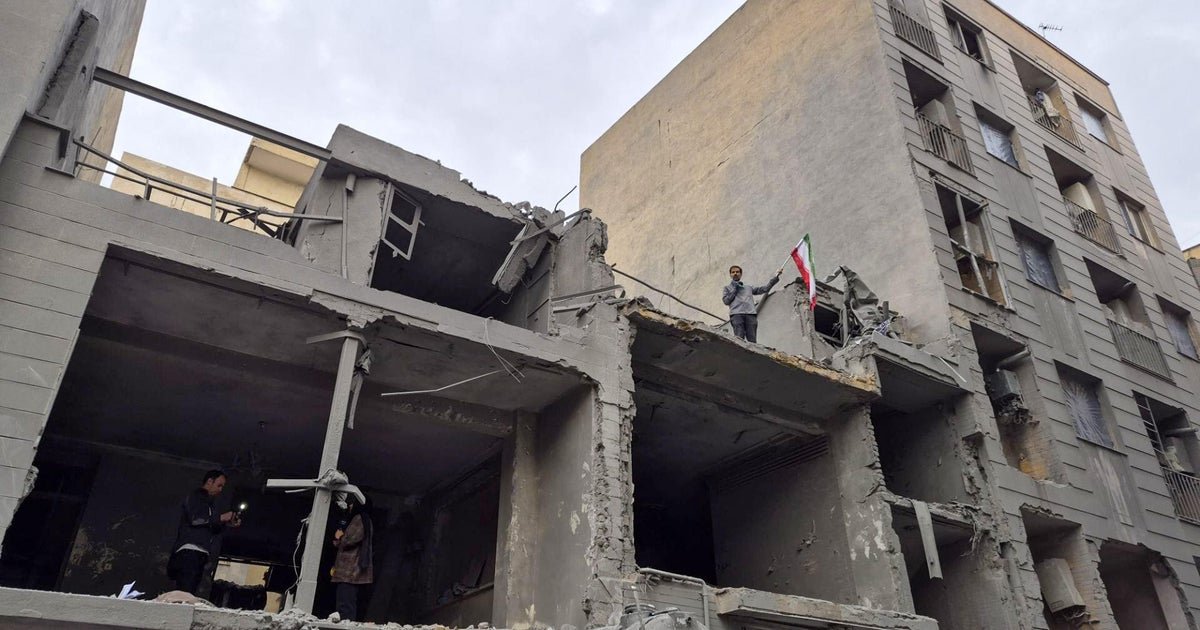
In a significant escalation of regional tensions, the Israel Defense Forces (IDF) announced that overnight strikes targeted high-ranking officials in Iran, resulting in the deaths of two prominent leaders of the Iranian regime: Gholamreza Soleimani, the commander of the Basij paramilitary force, and Ali Larijani, the head of Iran’s Supreme National Security Council.
Background of the Attacks
According to a statement released by the IDF, Soleimani had been in charge of the Basij unit, notorious for its role in suppressing dissent within Iran. The Basij has a history of employing extreme measures to maintain order, notably during nationwide anti-government protests that erupted in January. Activists have long criticized the force for its violent tactics, which include mass arrests and brutality against civilians.
In making the announcement, the IDF emphasized that the elimination of Soleimani represents a substantial blow to Iran’s internal security apparatus. Israel’s Defense Minister, Israel Katz, meticulously outlined the objective, stating, “Prime Minister Benjamin Netanyahu and I have instructed the IDF to continue pursuing the leadership of the terror and oppression regime in Iran.” Katz further indicated that President Trump would be updated on these developments shortly, marking the killings as a pivotal moment in the ongoing geopolitical conflict.
The Reaction from Iranian Leadership
Just days prior to these strikes, Larijani had issued a bold warning directed at President Trump, dismissing the American leader’s threats and asserting the resolve of the Iranian people. In a recent public statement, Larijani emphasized that Iran would not be intimidated, even by nations of greater power. His assassination removes a significant voice from Iran’s political landscape, which has been increasingly vocal amidst ongoing conflicts.
Implications for Regional Security
This incident is expected to have far-reaching implications for the security dynamics in the Middle East. The IDF described the operation not merely as a targeted strike but as a calculated move against the Iranian security framework, aimed at dismantling the leadership that perpetuates regional terror.
The event has garnered attention on social media platforms, with Netanyahu’s office posting a statement that included a photo of the Prime Minister on the phone, reinforcing the message that such military actions are part of a broader strategy to weaken Iranian influence in the region.
Conclusion
As tensions escalate, international observers will be closely monitoring the repercussions of these assassinations, particularly in terms of Iran’s potential retaliatory measures. The ramifications could extend beyond the immediate actors involved, affecting global political stability and relationships in the Middle East.
For ongoing coverage of the conflict and further analysis, visit sources like CBS News for the latest updates on this evolving situation.
This pivotal moment serves as a reminder of the volatile landscape that characterizes Middle Eastern politics and the continuous struggle for power within the region. As the situation unfolds, the world remains on high alert for updates and implications that may arise from these recent developments.
