


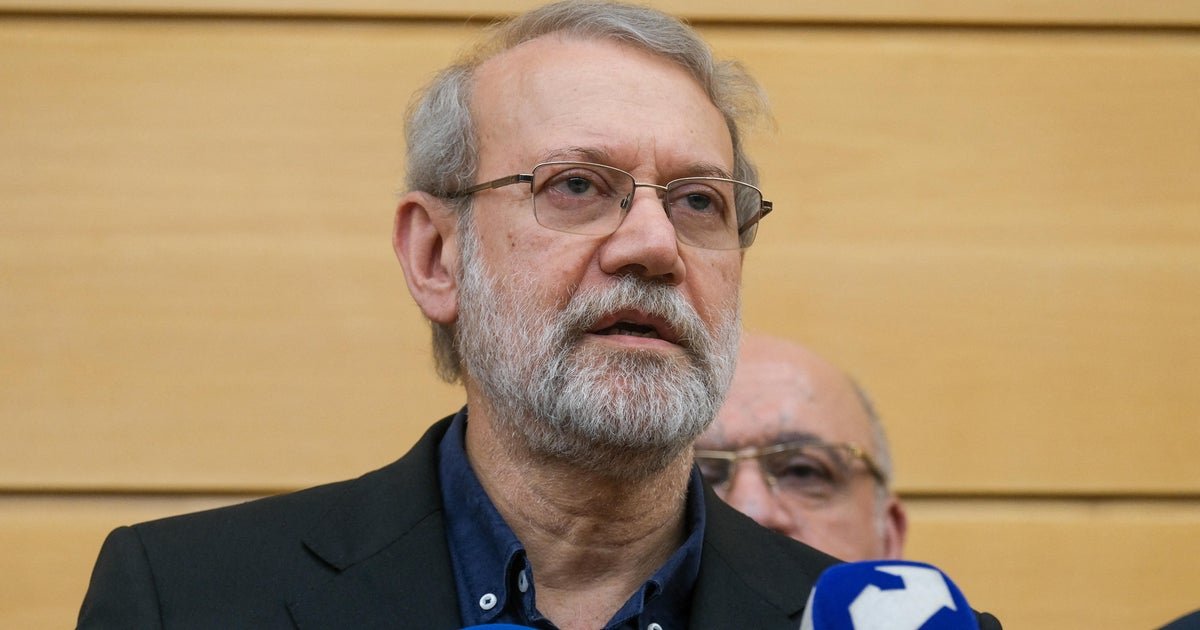
Iranian Security Chief Ali Larijani Killed: A Major Shift in Regional Dynamics
The recent killing of Ali Larijani, a top Iranian security official, marks a pivotal juncture in the ongoing conflict in the region. Israel announced the elimination of Larijani during overnight strikes, a move that adds complexity to the already tense political landscape in Iran.
Who Was Ali Larijani?
A Key Figure in Iran’s Security
Ali Larijani was not only the head of Iran’s Supreme National Security Council but also a pivotal player in shaping Iran’s military and political strategies. His influence extended across various domains, including nuclear negotiations and legislative processes, as he previously served as Iran’s chief nuclear negotiator and speaker of parliament. Coming from a powerful clerical family, Larijani navigated the intricate labyrinth of Iranian politics with adeptness, earning the trust of key figures, including the late Supreme Leader Ali Khamenei.
The Impact of Larijani’s Assassination
Short-Term Operational Implications
The immediate operational ramifications of Larijani’s death may be limited; however, politically, his assassination could intensify hardline attitudes within Iran. The narrative that this conflict is an existential threat to the Iranian leadership may solidify, as officials rally nationalistic sentiments in response to external aggression.
Long-Term Political Consequences
In a broader context, Larijani’s assassination removes one of the few influential figures capable of facilitating dialogue and negotiations with adversaries. His unique ability to navigate both military and diplomatic arenas positioned him as a potential arbiter during crises. With his demise, Iran’s opportunities for diplomatic maneuvering may diminish, complicating efforts to de-escalate tensions.
Larijani’s Stance on the Conflict
Larijani had been a vocal figure since the onset of the conflict, delivering pointed messages aimed at U.S. leadership. Just a week prior to his death, he emphasized Iran’s resilience against threats, framing the conflict as an existential battle for survival. His last public appearance at a demonstration for al-Quds Day illustrated his commitment to Iranian values and solidarity with Palestinians, making his assassination even more poignant.
The Bigger Picture: The Aftermath of Larijani’s Death
In addition to Larijani, the Israeli military confirmed the assassination of Gholam Reza Soleimani, the commander of the Basij paramilitary force, further destabilizing Iran’s security apparatus. Soleimani’s leadership was marked by a heavy hand in suppressing dissent within the country, making his removal a significant blow to the regime’s control.
Ongoing U.S. Operations Against Iranian Leaders
The U.S. has ramped up efforts against senior Iranian officials, a strategy highlighted by an announcement offering a reward of up to $10 million for information leading to the capture of ten senior Iranian leaders, including Larijani. This intensified campaign underscores the shifting dynamics of power and influence in the region.
Conclusion: What Lies Ahead for Iran?
As the Islamic Republic processes the loss of leaders like Larijani, the system’s resilience will be put to the test. While the power structure may adapt, his absence represents a significant loss in both military and diplomatic circles. With burgeoning tensions and shifting allegiances, the future of Iran’s political landscape remains uncertain, making the international community wary of the escalating conflict.
For a deeper understanding of the implications of Larijani’s death, consider reading more about the Iran-Israel conflict and its broader significance in global geopolitics.
