


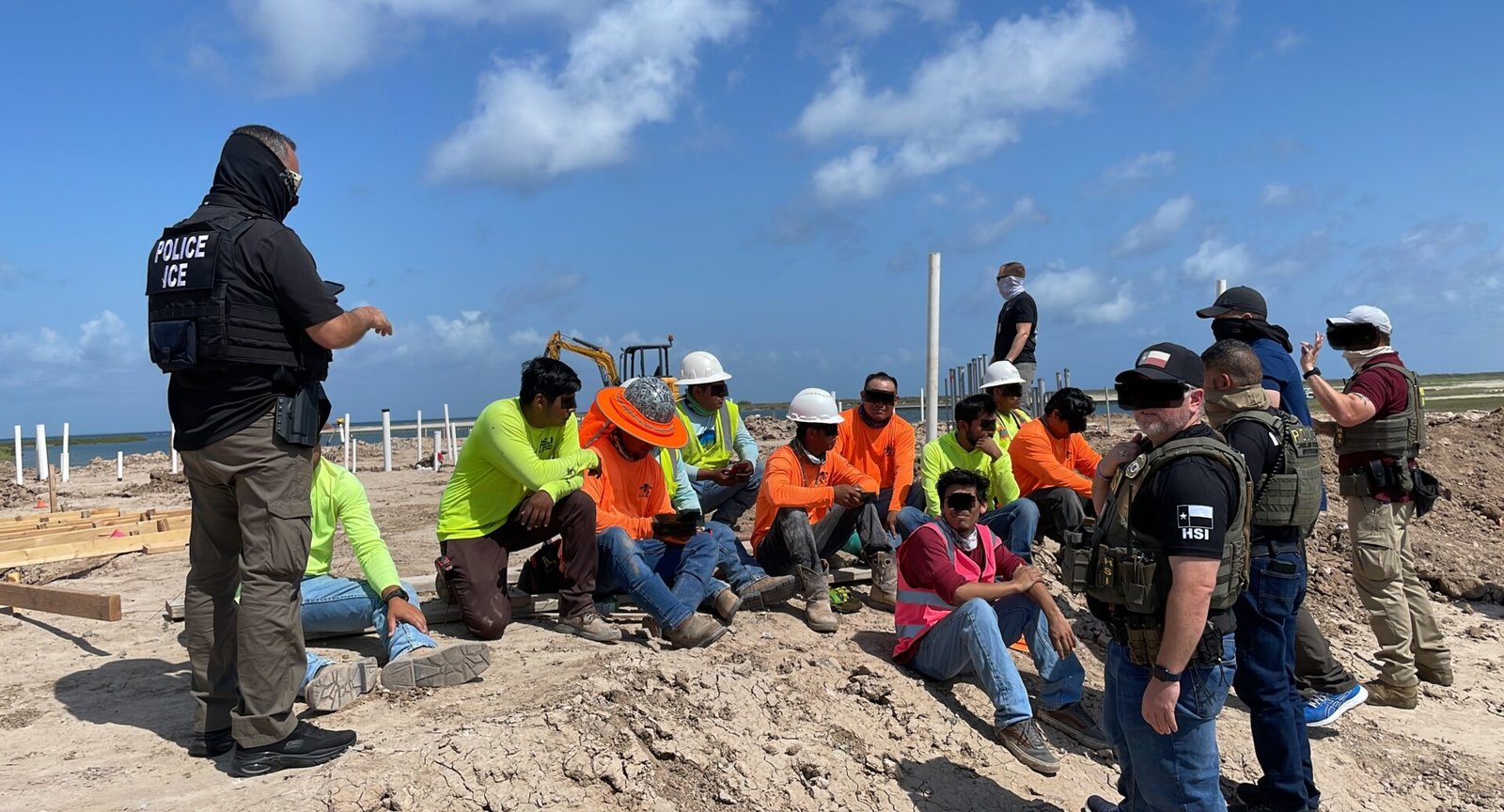
Impact of ICE Raids on the Construction Industry in South Texas
The ongoing presence of Immigration and Customs Enforcement (ICE) has left a significant mark on the construction industry in the Rio Grande Valley. Recent discussions within the community have brought to light the challenges faced by businesses due to heightened enforcement of immigration laws.
Overview of ICE Raids in South Texas
On June 4, 2025, ICE arrested 25 construction workers in Brownsville and South Padre Island, claiming they were undocumented. These incidents, among others, have heightened anxiety among immigrant workers and contractors alike, stifling regional construction efforts.
Local Response to ICE Enforcement
In a recent symposium organized by the South Texas Builders Association (STBA), local business leaders articulated how intensified ICE activity has adversely affected their operations. U.S. Representatives Monica De La Cruz and Henry Cuellar attended, alongside various stakeholders from the construction sector, including loan officers and builders.
Declining Construction Activity
During the meeting, numerous attendees reported a staggering 30% to 40% decrease in construction activity. The ramifications have rippled through the local economy, with lenders witnessing a sharp decline in construction loans and material suppliers facing substantial financial losses. Concerned business owners painted a bleak picture of an industry that once thrived.
Call for Legislative Action
U.S. Rep. Cuellar discussed potential legislative measures aimed at reforming ICE’s focus. He advocated for a more targeted approach, emphasizing the need for agents to prioritize individuals with final deportation orders. Cuellar highlighted that approximately 1.5 million such orders currently exist.
Furthermore, the Homeland Appropriations Committee, which Cuellar is a part of, is deliberating on how to allocate a notable increase in ICE funding—an additional $18.7 billion over four years. The proposed changes aim to ensure that enforcement efforts do not disrupt the vital workforce necessary for construction and other industries.
Creating Opportunities for Workers
In light of the challenges posed by ICE raids, De La Cruz championed the Essential Workers For Economic Advancement Act, which proposes a new visa program to help undocumented workers gain legal status. This initiative, alongside her support for the Dignity Act—another bipartisan proposal—aims to offer a pathway to temporary legal status and work authorization for undocumented individuals already residing in the country.
Highlights from the Symposium
The symposium fostered open dialogue about the implications of ICE enforcement on labor and the local economy. Effrain Gomez, a moderator and STBA member, pointed out that the discussion was not solely about placing blame but rather acknowledging the disconnect between current immigration enforcement practices and labor realities.
Participants expressed the need for a consistent system that allows compliance without the fear of sudden regulatory changes. Gomez emphasized that the problem lies in systemic issues rather than individual violations.
Voices from the Community
Various industry leaders underscored the severity of the situation. Ronnie Cavasos, STBA President, lamented the record number of deportations affecting South Texas, calling for assistance for a community characterized by its industrious and peaceful nature. He likened the ongoing struggle to the enduring legacy of Martin Luther King Jr., echoing themes of a shared dream for dignity and opportunity.
Concern over reduced construction activity has permeated across all levels of the industry. Paul Rodriguez, CEO of Valley Land Title Company, confirmed a notable drop in construction loans, reporting a decline of 30% to 40%. His observations reflect a broader trend impacting real estate investments in the region.
Conclusion
The situation in South Texas highlights a critical intersection between immigration policy and local economies. The challenges brought on by ICE raids are reshaping the construction landscape, requiring urgent dialogue and a reevaluation of regulatory practices. By addressing these challenges through legislative action and community support, there is hope for revitalization in this essential sector.
For further information on immigration policy and its impact on local economies, explore more on U.S. Immigration Policy or Economic Impacts of Immigration.
