


The Inspiring Journey of Career Development in Healthcare Education
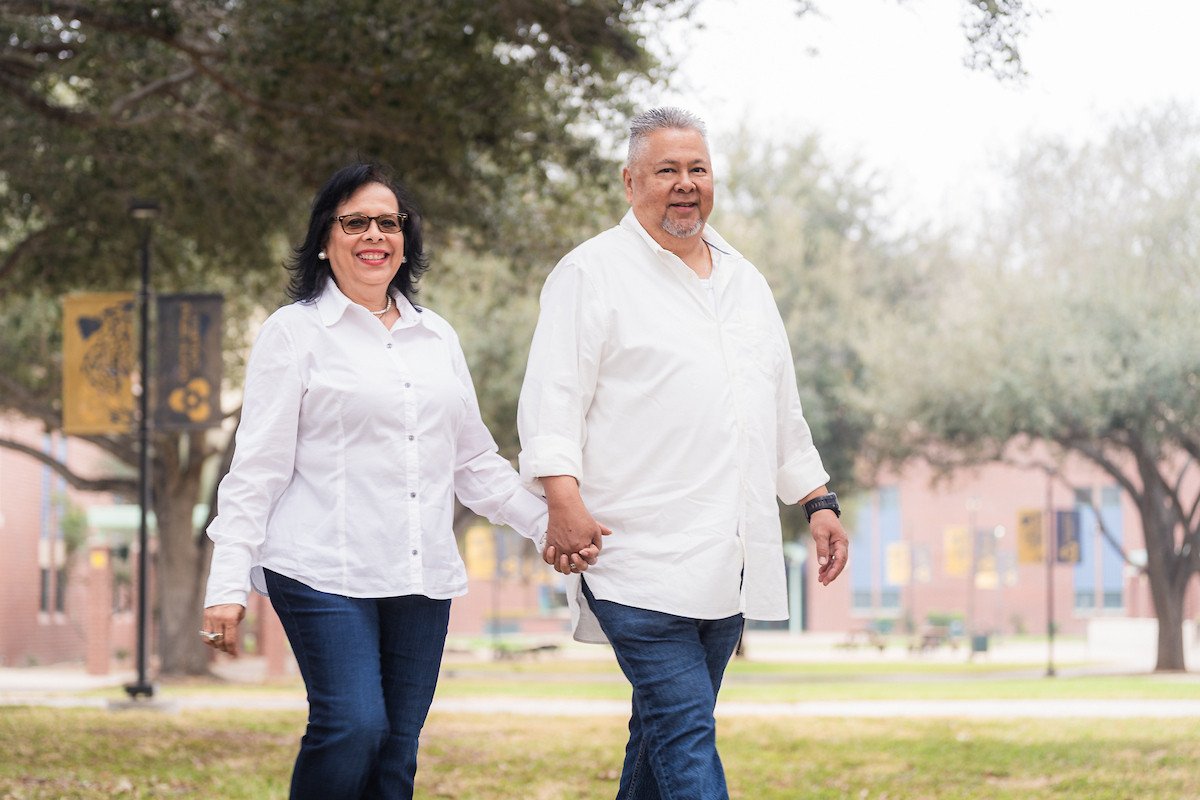
In the ever-evolving field of healthcare education, few stories resonate as strongly as that of Ricardo and Abigail, a couple whose dedication has paved the way for successful programs in Pharmacy Technology and Medical Assistant Technology. Their journey, which began in the late 1990s, highlights the importance of thorough research, community engagement, and a commitment to education.
Early Beginnings: Research and Development
Together, Ricardo and Abigail embarked on a journey of exploration and study. They meticulously researched various educational programs, visited colleges outside their local area, and analyzed curriculum models. Understanding workforce demand was crucial, as it guided their approach to developing relevant and impactful educational offerings. After months of hard work and proposal crafting, their efforts culminated in the approval of both programs by the STC Board and the Texas Higher Education Coordinating Board.
Launching New Programs
The Pharmacy Technology program launched in Fall 1999 and was quickly followed by the Medical Assistant Technology program in Spring 2000. Ricardo took the lead in managing the pharmacy program, while Abigail directed the medical assistant program, which started with a modest cohort of just seven students.
Abigail reflected on this early stage: “We started with only seven students, and over the years we grew to 80 in practicum at one point. Today, I still serve as coordinator for the program and I just love it. There is nothing better than watching students grow and step into their careers.”
Adaptation and Growth in Education
As educational standards progressed, particularly in accreditation for Pharmacy Technology, Ricardo shifted his focus within the institution. He transitioned to teaching in the Education program, continuing his commitment to supporting students. "I’m proud to say that in nearly 30 years I’ve taught at every STC campus, from Weslaco to Starr County,” he shared. This extensive experience allowed him to connect deeply with students facing personal challenges, reinforcing his belief in the role of educators as mentors.
Continuous Professional Development
Both Ricardo and Abigail remain committed to lifelong learning. Ricardo earned his Master’s Degree in Education in 2021, while Abigail achieved her Doctorate in Educational Leadership in 2023, a culmination of her aspiration to uplift the educational field. Their focus on personal growth reflects a broader commitment to excellence in education.
However, their most significant achievements might be their roles as parents. They have raised two children, both of whom attended and graduated from STC. Their son earned an Associate Degree in Business Management and a Bachelor’s Degree in Computer Information Technology, while their daughter completed an Associate Degree in Interdisciplinary Studies.
Family Impact and Legacy
“STC has been a blessing to our family,” Abigail remarked. The college not only provided a foundation for their careers but also fostered significant personal growth. As they approach retirement, they express a desire to finish their careers together at STC, the institution that has been pivotal in their lives and work.
Embracing New Roles
As grandparents to two young grandchildren, Ricardo and Abigail are entering a new chapter filled with energy and excitement. Their family dynamic continues to enhance their perspective on education and mentorship. “I could retire already, but we want to do it together,” Ricardo shared. His passion for teaching remains undiminished, regardless of the challenges that come with a lengthy career.
Looking to the Future
As Ricardo and Abigail prepare for retirement, their thoughts turn to the future of the programs they helped establish. They hope the Pharmacy Technology and Medical Assistant Technology programs continue to thrive and evolve, serving as a beacon for students for years to come. “We poured so much into establishing them, and I want to see them keep serving students long after we’re gone,” Abigail stated.
Both educators emphasize the importance of strong educational foundations and community support in ensuring the sustainability of their initiatives. For aspiring students in healthcare, institutions like STC represent not just education but a pathway to achieving their dreams.
Conclusion
The inspiring journey of Ricardo and Abigail illustrates the transformative power of education within the healthcare sector. Their commitment to research, professional development, and nurturing future generations remains a testament to the impact that dedicated educators can have.
For more insights on healthcare education trends and career opportunities, consider visiting reputable sources such as American Association of Colleges of Nursing or National Healthcareer Association. These platforms provide valuable resources for individuals aspiring to navigate the evolving landscape of healthcare careers.
