


Ongoing Escalation of Conflict Between the U.S., Israel, and Iran
Introduction
Tensions in the Middle East have dramatically escalated, with the U.S. and Israel intensifying military operations against Iran. American President Donald Trump characterized upcoming actions against Iranian leaders as a necessary assertion of power, calling them “deranged scumbags” and expressing a sense of “great honor” in their targeting. Meanwhile, Iranian citizens in Tehran are experiencing relentless bombing as violence disrupts the region.
Airstrikes Targeting Iran
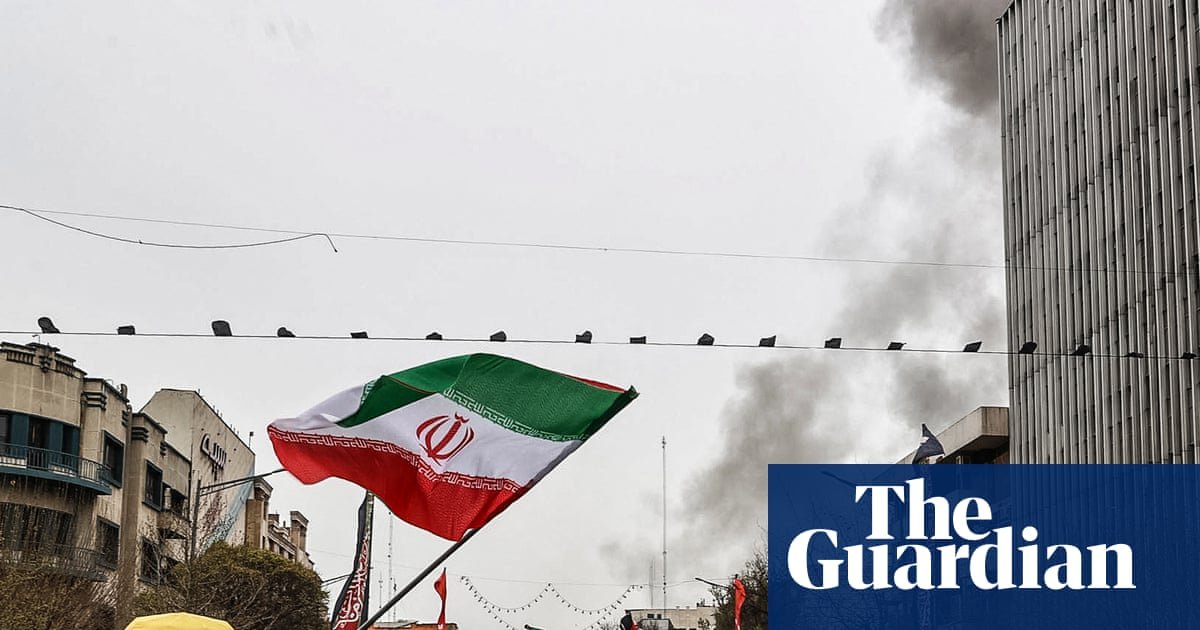
On a recent Friday, military operations led by Israeli and U.S. forces included successive airstrikes in and around Tehran. Reports indicate that one such strike hit close to a popular square near Tehran University while supporters of the Iranian regime gathered. Eyewitnesses noted chaotic scenes as demonstrators shouted, "Death to Israel!" and "Death to America!", with smoke rising from the impact zones.
Destruction Across the Middle East
The bombings and their repercussions have not been confined to Iran; the region is marked by widespread chaos, including further Israeli airstrikes in Lebanon. Around 800,000 individuals have been displaced due to the ongoing conflict. Hezbollah, collaborating with Iran, has launched missile and drone attacks on Israeli targets, contributing to the already dire situation.
Casualties and Civilian Impact
Tragically, the conflict’s toll extends beyond military targets; recent reports indicate that six U.S. servicemen lost their lives in a mid-air refueling incident in Iraq, while civilian casualties increase as violence spills into neighboring countries. A French soldier was also killed by a pro-Iranian militia in Iraq.
Trump’s Provocative Statements
President Trump has used social media to communicate his stance, claiming that he is now responsible for inflicting harm on the Iranian leadership. In his words, “They’ve been killing innocent people all over the world for 47 years, and now I, as the 47th President of the United States of America, am killing them.” Such rhetoric reflects a significant escalation of U.S. involvement and bolsters the military campaign along with Israel.
Responses from Iranian Leadership
In the wake of these hostilities, Iran’s new supreme leader, Mojtaba Khamenei, has issued defiant statements, asserting a commitment to resistance. Reports confirm that he has sustained injuries, which may affect his ability to project authority effectively. Iranian officials have shown up in public demonstrations, yet internal divisions appear evident amid widespread protests against the regime.
Life Under Siege in Tehran
Residents in Tehran report chronic fear and devastation due to the ceaseless explosions reverberating through the city. Desperate calls for international intervention arise as civilians express feelings of entrapment, constrained by a lack of resources and continual bombardment. One retired professor voiced the urgent need for action, stating, “Please stop this. I am begging the world to act now before the entire city is destroyed.”
Eyewitness Accounts
Another resident described the rapid succession of explosions, claiming to have counted six within a single hour. "We’ve taped the windows with newspapers," she explained, highlighting the fear that now permeates daily life. The prospect of power outages further exacerbates the anxiety, as residents grapple with the realities of sustained conflict.
Israeli Military Operations
In the past 24 hours alone, Israel has reportedly targeted more than 200 locations in Iran, intending to dismantle missile launchers, defense systems, and arms production facilities. The Israeli military claims that more than 15,000 enemy targets have been struck since the onset of the conflict, averaging an alarming pace of over 1,000 strikes per day.
Economic Impacts and International Reactions
Amid these escalating tensions, the global economy has felt the repercussions. The Strait of Hormuz, a crucial artery for global oil supplies, has seen increased threats as Iran has launched attacks disrupting shipping routes. European countries, including France, are exploring diplomatic options to ensure safe passage for vessels through this vital waterway.
Iran’s aggressive tactics led to additional assaults on oil infrastructure across the Gulf region, further destabilizing already strained relationships among countries in the area. In Saudi Arabia, authorities reported downing nearly 50 drones attacking critical infrastructure.
Casualties and Broader Implications
The conflict’s human cost is staggering. Reports suggest that over 1,300 individuals have died in Iran, while over 600 casualties have occurred in Lebanon. The situation remains dire for many civilians caught in the crossfire, with more than 12 fatalities reported in Israel and at least 13 U.S. servicemen sustaining injuries.
Future Outlook
As Israeli Defense Minister Israel Katz indicated, the airstrikes are merely the initial phase, hinting at a prolonged military campaign. The escalating violence in Lebanon and ongoing Iranian retaliation emphasizes the urgent need for diplomatic solutions. Without international intervention, the humanitarian crisis in the region may continue to worsen, compounding an already volatile situation.
Conclusion
The escalating conflict in the Middle East poses dire challenges not only for those directly involved but for global peace and security. As nations monitor developments closely, the world waits to see whether diplomatic efforts can emerge to quell this escalating violence before it results in even greater devastation.
For further insights, explore: Iran Conflict Overview or visit U.S.-Iran Relations.
