


The Growing Threat of Ant Smuggling: A Case Study from Kenya
The Incident: An Attempt to Smuggle Queen Ants
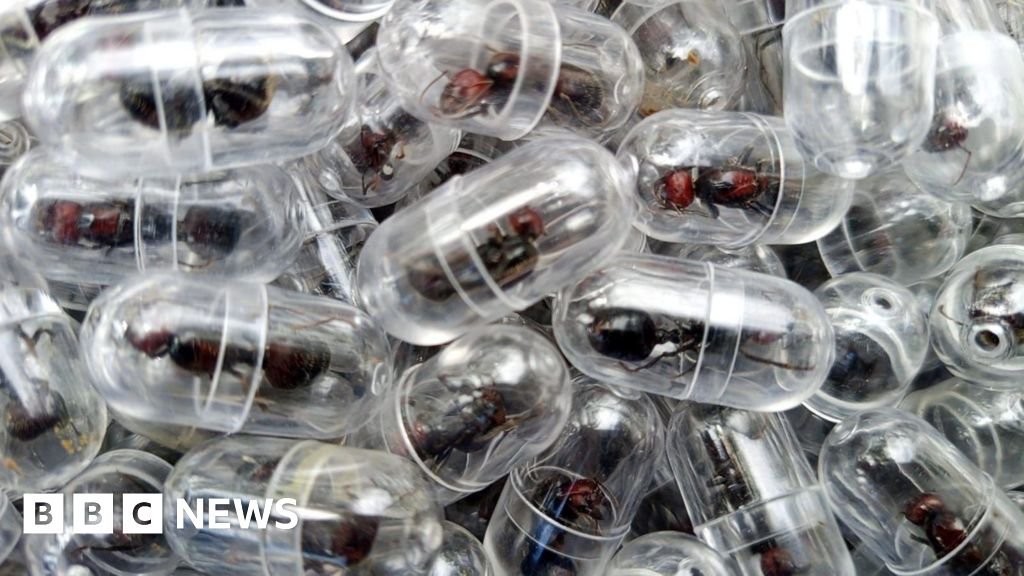
In a startling turn of events, a Chinese national was apprehended in Nairobi for attempting to smuggle a staggering 2,000 queen ants from Kenya to China. This incident raises serious concerns about the illegal wildlife trade and its ramifications on biodiversity. According to reports, the individual was stopped at the Jomo Kenyatta International Airport (JKIA), where customs officials discovered the live ants concealed in their luggage. The queen ants, known for their critical role in colony establishment, could have posed severe ecological risks had they been successfully smuggled into a different environment.
Understanding the Context: Why Smuggle Ants?
The Value of Queen Ants
Queen ants are essential for the survival and growth of ant colonies. Their ability to reproduce makes them highly sought after, particularly in the pet trade and biological research. The demand for these insects has led to a rise in illegal smuggling operations, which can severely disrupt local ecosystems.
Potential Impacts on Ecosystems
The introduction of non-native species, such as these queen ants, can lead to dramatic changes in local biodiversity, outcompeting indigenous species for resources and contributing to habitat degradation. The consequences of such actions can last for generations, making this form of wildlife trafficking particularly damaging.
Global Smuggling Trends: A Broader Issue
Rising Incidents of Ant Smuggling Worldwide
The arrest in Kenya is not an isolated case. Similar incidents have been reported globally, including another recent case where a man was caught trying to smuggle 2,238 live ants in his luggage. These growing trends signify an urgent need for better regulation and enforcement against wildlife trafficking.
The Secretive World of Smuggling
As highlighted in various articles, including one from Devdiscourse, the smuggling of ants—particularly the African species—represents a clandestine market that thrives on a lack of awareness and stringent regulation.
The Role of Authorities: Enforcement and Education
Stricter Regulations Needed
The Kenyan authorities have been proactive in cracking down on wildlife trafficking. The recent arrest serves as a warning to potential smugglers that there are severe legal repercussions for such actions. However, continuous enforcement is vital to deter future attempts.
Educating the Public
Public awareness campaigns can play a major role in curbing this illegal activity. By educating citizens about the ecological impacts of smuggling non-native species, authorities can foster a culture of conservation and protection of indigenous wildlife.
Conclusion: A Call for Collective Action
The arrest of a Chinese national attempting to smuggle queen ants from Kenya underscores the pressing issue of wildlife trafficking. It is crucial to implement stricter regulations and engage in public education to protect local biodiversity. As individuals, governments, and organizations come together to address these actions, they can contribute significantly to preserving the natural world.
For more details on related cases or to learn more about the impacts of smuggling wildlife, visit BBC or CTV News for comprehensive insights into the complexities of wildlife smuggling and its broader implications.
