


Rediscovering the Past: How Tom Sawyer Brought Joy to Children During the Great Depression
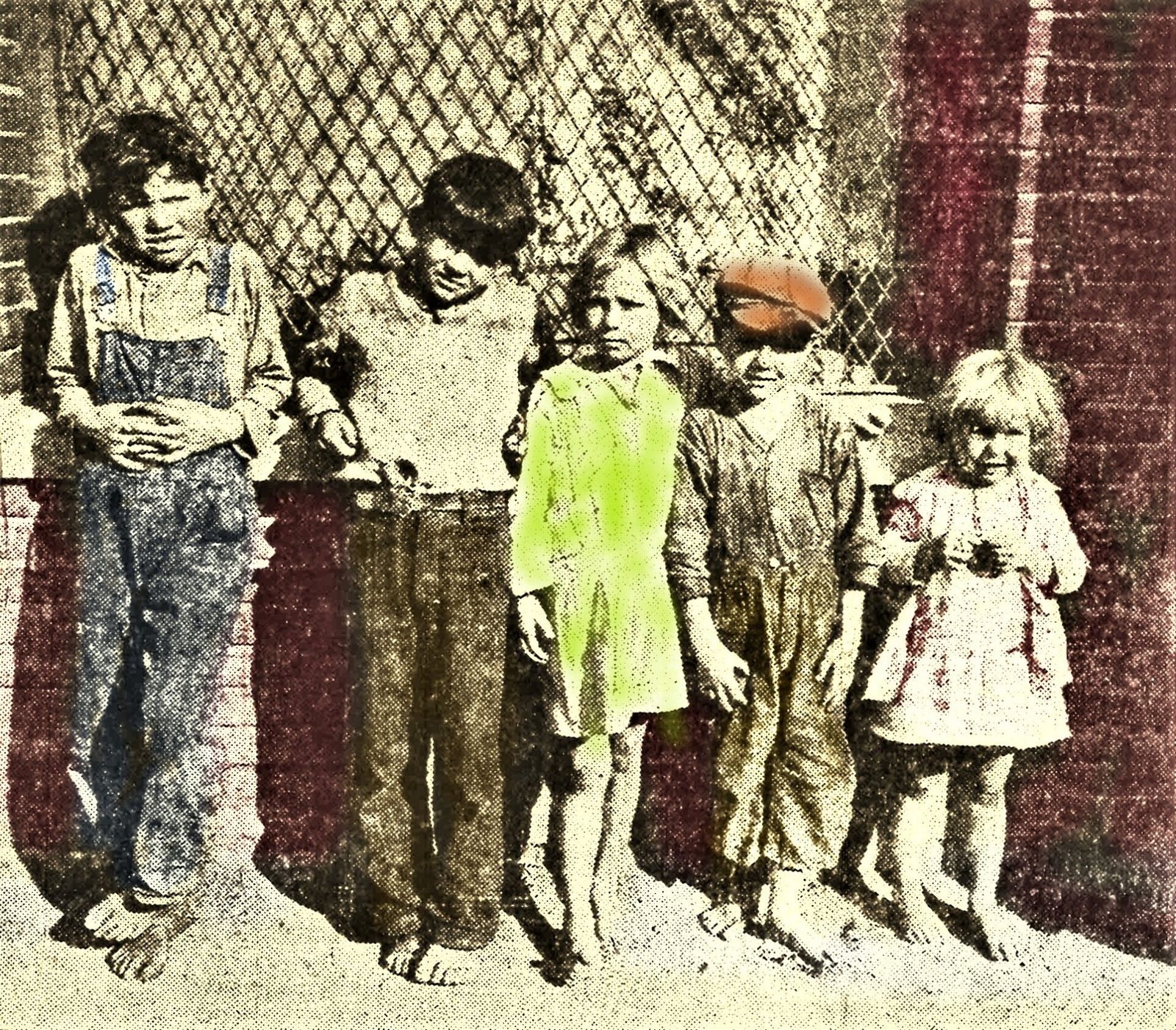
Brownsville children Jimmy, Billy, Hettie, Sonny, and Sally enjoy an afternoon at the movies in a bygone era. (Courtesy photo)
The Great Depression: Hardships and Hopes
The Stock Market Crash of 1929 marked the onset of the Great Depression, a decade-long period that shattered the American dream for millions. Unemployment soared, and families in Brownsville and beyond lost everything, becoming nothing more than shadows of their former selves. Shanty towns sprung up, and the phrase “rich in the Roaring Twenties” became a distant memory as many resorted to selling apples and pencils on street corners to survive.
The Influx of Hobos: A Journey to the Rio Grande Valley
As desperation gripped the nation, tales of prosperity in the Rio Grande Valley began to circulate. With its mild climate and an abundance of grapefruits, the region became a haven for hobos and drifters seeking a new beginning. Local peace officers noted an unparalleled influx of people in search of relief, warning that “the highways of the Valley are literally lined with human driftwood.”
Impact on Children: The Vulnerable Population
Among those who suffered most during this tumultuous time were children. The streets of Brownsville saw an alarming rise in youth unable to escape the plight of poverty. In response, community leaders like Mark Fanning, the manager of the Capitol Theater, recognized the urgent need to uplift these young souls.
The Adventures of Tom Sawyer: A Beacon of Hope
Mark Twain’s classic “The Adventures of Tom Sawyer,” published in 1876, was more than just a tale of childhood adventure; it became a symbol of joy during the Great Depression. In 1938, the story was brought to life on the big screen, and Fanning took it upon himself to ensure that every child in Brownsville had the opportunity to experience this cinematic masterpiece.
A Gesture of Kindness: Free Movie Tickets
Fanning’s initiative aimed to distribute free movie tickets to impoverished children, ensuring they could partake in the joy of cinema. He declared, “I’d hate for a child in Brownsville to miss seeing this classic of child life.” By inviting children to the theater, he offered a temporary escape from their grim realities — a chance for laughter and imagination.
The Magic of the Movies: A Temporary Escape
On the day that “Tom Sawyer” premiered in Technicolor at the Capitol Theater, the atmosphere was electric. Children from various backgrounds filled the seats, captivated by the adventures of Tom and his friends. For just a couple of hours, the weight of the Depression was lifted, and the worries of daily life faded into the background.
The Capitol Theater: A Community Hub
The Capitol Theater, which opened its doors on February 14, 1928, became more than just a cinema; it became a sanctuary for the people of Brownsville. From film premieres to local performances, the theater fostered community spirit and provided a venue for shared experiences.
The Role During World War II
Even beyond its function during the Great Depression, the Capitol Theater played a significant role during World War II. Local children participated in the “Brownsville’s Scrap Iron Drive,” where admission to the movies required a piece of scrap metal. This initiative inspired a generation to contribute to the war effort during a time of global uncertainty.
Conclusion: A Lasting Legacy
The legacy of kindness exemplified by Mark Fanning and the joy brought to countless children through “The Adventures of Tom Sawyer” continues to resonate today. The Capitol Theater remains a cornerstone of the Brownsville community, a constant reminder of resilience during hard times.
Recap of the Cinema’s Significance
For readers interested in exploring more about the film adaptations of Tom Sawyer, check out resources on Film History and its significance in American culture. The theater’s enduring influence in fostering a sense of community is a testament to the power of art in overcoming adversity.
Discovering the past not only honors those who paved the way for us but also reminds us of the power of hope and resilience in the face of adversity.
