


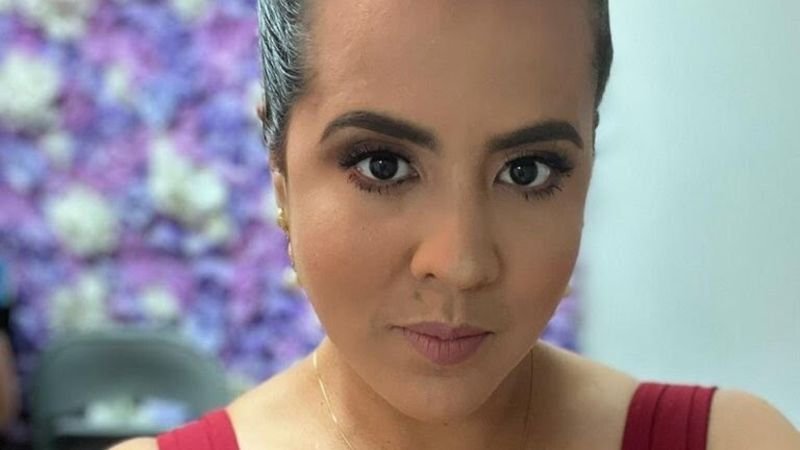
The Case of Estefany Rodriguez: A Journalist Caught in an Immigration Crackdown
Introduction
In a startling incident emblematic of the current immigration climate in the United States, journalist Estefany Rodriguez was detained by Immigration and Customs Enforcement (ICE) agents while she and her husband were in their vehicle. This situation underscores the ongoing scrutiny and challenges faced by individuals who report on immigration issues, particularly during heightened enforcement actions.
Background on the Incident
Estefany Rodriguez, a journalist at Nashville Noticias, has become well-versed in covering immigration matters, particularly the actions of ICE under the Trump administration. On a recent Wednesday, while sitting in her car with her husband, Alejandro Medina, they found themselves surrounded by ICE trucks. Confusion turned to shock as they realized the agents were there to detain Rodriguez.
Medina noted, “We really couldn’t understand why we’re being surrounded.” Despite her experience in reporting on immigration matters, the experience was nonetheless overwhelming for both.
Rodriguez’s Immigration Status and Arrest
Originally from Colombia, Rodriguez entered the United States legally in 2021 on a tourist visa. She subsequently applied for political asylum before her visa expired. However, ICE claimed that Rodriguez is currently in violation of her visa conditions and lacks lawful immigration status.
In their statement, ICE maintained, “A pending green card application and work authorization do NOT give someone legal status to be in our country.” As per court documents, Rodriguez also holds a valid work permit, complicating the narrative surrounding her status.
Detainment Process and Allegations
Rodriguez’s detainment raises serious questions about First Amendment rights and the treatment of journalists. According to her lawyer, Joel Coxander, they intend to challenge her detention as an act of retaliation for her reporting on ICE activities. Before her arrest, Rodriguez had been actively covering immigration-related stories, fueling speculation about whether her journalism played a role in her detainment.
The agents who detained her appeared to have detailed knowledge about Rodriguez and her immigration status, including her application for permanent residency. This targeted approach to her detainment represents a troubling trend for journalists reporting on contentious topics.
Context of Journalism and Immigration
Rodriguez’s case is not unique. Numerous journalists have faced similar fates in the wake of intensified immigration enforcement. For example, Salvadoran journalist Mario Guevara was deported after covering a protest, illustrating the risks journalists face in a contentious political landscape.
Rodriguez’s dedication to reporting on government corruption in Colombia also adds a layer of complexity to her story. Having previously endured threats while working in her home country, she sought refuge in the U.S. for the safety of her family, particularly her young daughter.
Legal Proceedings and Future Impacts
Rodriguez was currently at a detention center in Alabama and set to be transferred to Louisiana. The legal ramifications of her detainment could set significant precedents for how journalists reporting on immigration issues are treated in the future. As her legal team prepares to petition for her release, the implications of her case resonate far beyond her personal plight.
Coxander emphasized the inherent risks faced by journalists today, particularly those reporting in the immigration field. “She’s a tough person,” he remarked, highlighting her resilience and commitment to truth even amidst intense pressure.
Community Response and Advocacy
In her community, Rodriguez is well-regarded not just for her journalism, but for her commitment to making the lives of those around her better. Her husband stated, “She cares about her community, and she cares about her job.” This sentiment fuels the growing concern among advocacy groups and supporters about the targeting of journalists.
Conclusion
As the U.S. grapples with immigration policy changes and enforcement tactics, the implications for free speech and journalist safety are more critical than ever. Estefany Rodriguez’s case serves as a vital reminder of the intersection between media and immigration enforcement, highlighting the need for advocacy and awareness around the rights of journalists in politically charged environments.
Additional Resources
For more information on immigration enforcement and the treatment of journalists, you can visit these resources:
By understanding and engaging with issues surrounding immigration and press freedom, we can foster a more informed society and protect the rights essential to both journalism and advocacy.
