


Understanding Recent Federal Actions in the Rio Grande Valley
Background on Recent Tragedies
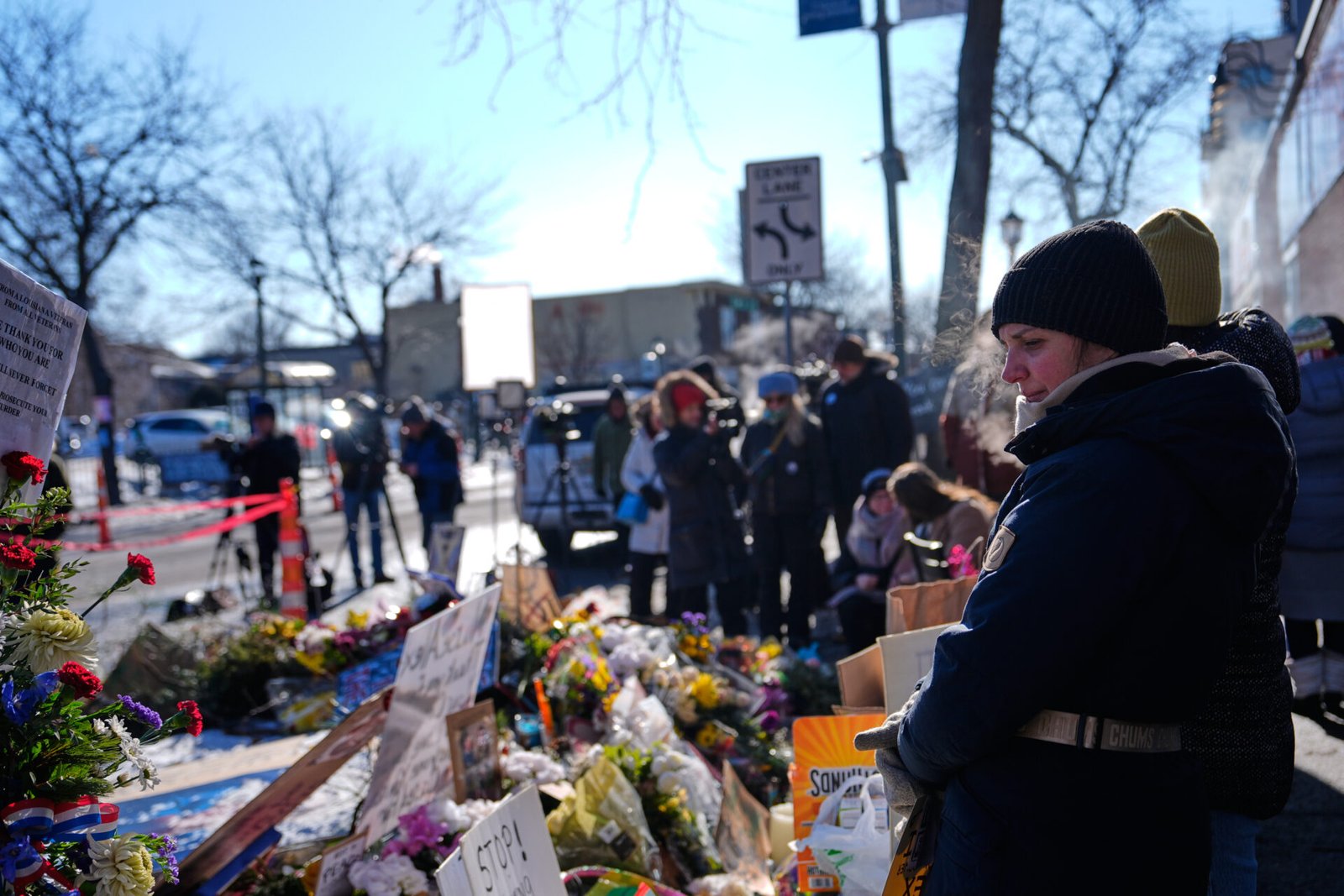
Approximately a month has passed since the nation was shaken by the tragic shooting deaths of Renee Good and Alex Pretti in Minneapolis. This incident, involving federal immigration authorities targeting U.S. citizens protesting against Immigration and Customs Enforcement (ICE) raids, has ignited a wave of concern and skepticism among local communities and political leaders. The narrative surrounding the victims quickly shifted, as officials had to retract previous statements labeling them as domestic terrorists.
This incident has left many in the Rio Grande Valley, a region often caught in the crosshairs of immigration policies, feeling uneasy. Local leaders now find themselves grappling with the complex relationship between cultural significance and the unwanted scrutiny it brings.
Local Government’s Response
In response to the Minneapolis tragedy, local officials are on high alert, hoping that such extreme actions won’t manifest in their own communities. Cameron County Judge Eddie Treviño has publicly questioned federal enforcement tactics in the wake of these events. Following a meeting with officials from the Department of Homeland Security (DHS) last week, Treviño adopted a more tempered approach, emphasizing that immigration operations are specifically targeted.
Treviño’s statement, released shortly after meeting with DHS and the Cameron County Sheriff’s Office, aims to reassure the public about federal operations in the Valley. According to Treviño, federal representatives claimed that their actions focus solely on individuals with final removal orders or those known to lack legal status. This shift in tone from Treviño marks a significant change from his earlier comments about the lack of communication regarding immigration enforcement.
Growing Federal Presence
The number of ICE agents in the Rio Grande Valley has reportedly increased significantly, nearly doubling within the past year. During Treviño’s briefing with federal partners, they assured him that their operations were not random but rather targeted and specific. It’s critical to note, however, that the judge has not been able to independently verify these characterizations.
Judge Treviño had expressed earlier frustrations regarding communication with ICE and other federal agencies. He stated, “Our relationship with these agencies has focused primarily on migrant surges at points of entry, rather than enforcement activities.” This lack of transparency has heightened concerns about the region’s safety and the impact of aggressive ICE tactics.
Community Impact of ICE Operations
The ramifications of heightened ICE presence extend beyond mere statistics. Treviño describes the chilling effect that immigration enforcement can have on local businesses and industries, particularly construction. “The reality is that many crucial jobs in this country are performed by immigrants,” he noted. This acknowledgment raises concerns about how federal tactics are perceived and executed in local communities, especially when these operations may involve racial profiling.
The potential for widespread enforcement activities has prompted local leaders to keep a vigilant eye on federal actions. If evidence arises suggesting broader enforcement policies than what was discussed in recent meetings, Treviño emphasized the importance of addressing those concerns promptly with DHS.
Rising Tensions and Community Reactions
Tensions in the Rio Grande Valley have intensified following the fatal encounter involving ICE agents and the American citizen, Ruben Ray Martinez, in 2025. Many community members feel that federal actions are becoming increasingly aggressive, leading to widespread protests across the region in response to ICE raids. Advocacy groups, such as For The People Alliance, have been instrumental in coordinating memorials and vigils for victims of ICE operations, reflecting a growing solidarity among residents.
Protests have culminated in various forms of demonstration, including walkouts from local high schools and community bike rides honoring those lost to ICE violence. The anger and disappointment expressed by local leaders stems from the belief that these deaths could have been prevented had there been better oversight and communication regarding federal operations.
Ongoing Dialogue and Future Considerations
Despite his earlier concerns, Judge Treviño seems to have found a level of assurance in the recent discussions with DHS officials. He acknowledged the necessity for ongoing dialogue and coordination to ensure proper respect for individuals’ rights during enforcement actions.
The recent surge of misinformation surrounding ICE operations has also sparked concern among officials. Treviño clarified that claims about an influx of ICE officers were exaggerated. Instead, the agency was merely reallocating resources, not expanding its reach.
As the situation continues to evolve, local leaders remain committed to advocating for transparency and accountability in immigration enforcement. Given the Valley’s nuanced relationship with immigration and its implications on community safety and morale, continued vigilance is essential.
In conclusion, the complexities surrounding federal immigration enforcement in the Rio Grande Valley articulate a broader national conversation about the balance between security and civil rights. Local officials, residents, and advocacy groups must work collaboratively to ensure any enforcement actions are both effective and respectful of individual rights, fostering a safe community for all.
For more information about recent developments in immigration policy, check reliable sources like The New York Times and ICE’s official site.
