


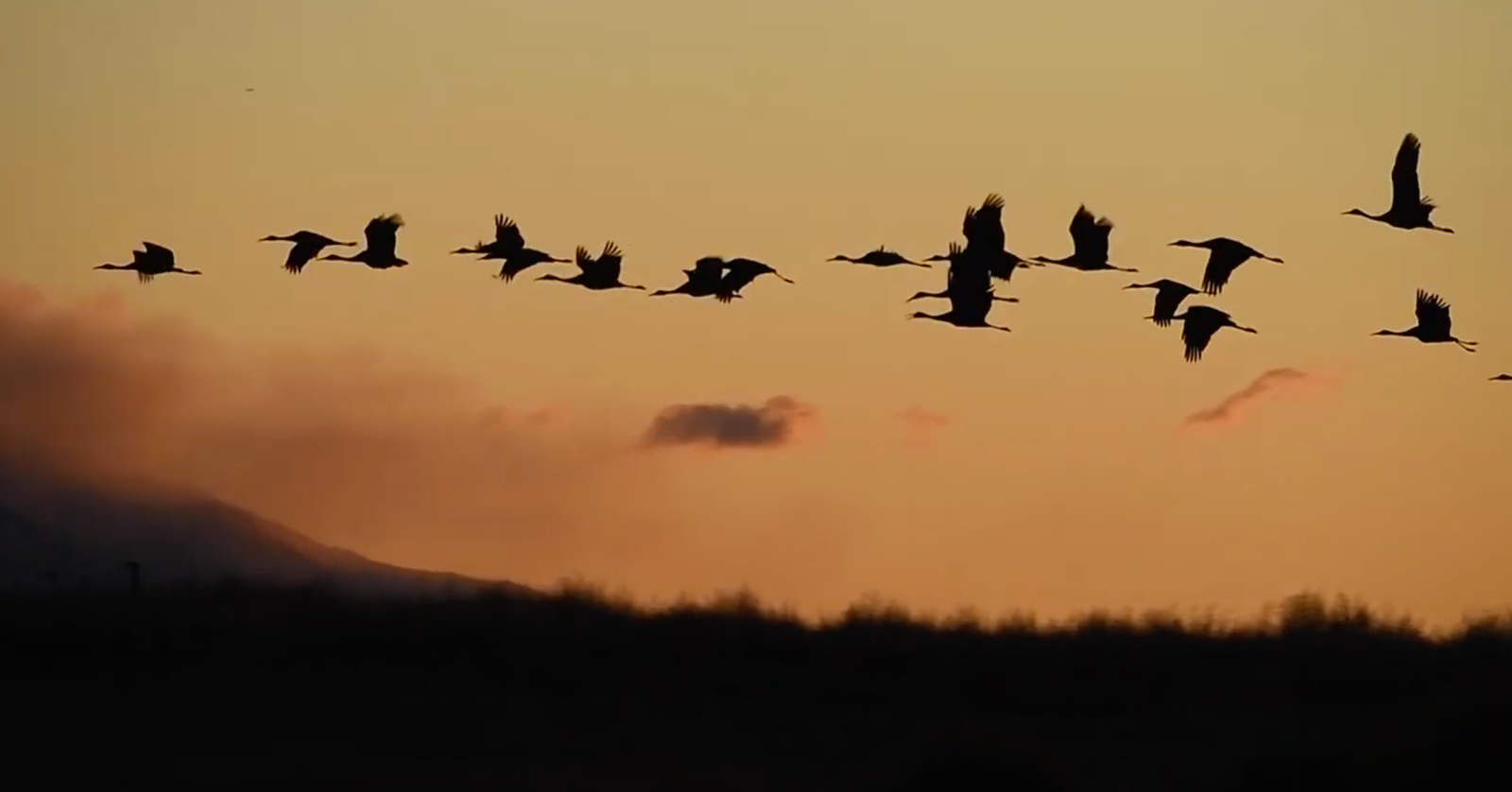
The Vital Role of Sandhill Cranes in the San Luis Valley Ecosystem
The San Luis Valley in Colorado serves as a remarkable migration corridor for Sandhill Cranes. These majestic birds have relied on this region for thousands of years, drawn by the life-sustaining waters of the Rio Grande River. This unique habitat not only offers the cranes a place to rest but also abundant food resources essential for their long migration.
Early Settlers and Agricultural Development
When early settlers arrived in the San Luis Valley, they brought agricultural practices that significantly altered the landscape. Farmers began diverting water from rivers to irrigate their fields, creating conditions reminiscent of natural wetlands. This transformation effectively expanded the cranes’ habitat, allowing their populations to thrive. This trend continued into the 1900s with the introduction of wheat and barley farming, which provided nutrition that helped boost the otherwise dwindling crane populations across North America.
Importance of Agricultural Lands
Currently, over 50% of the land in the San Luis Valley is publicly owned. However, strikingly, more than 90% of the existing wetlands reside on private farmland. While these lands are primarily managed for business operations, they play a critical role in sustaining the life cycles of Sandhill Cranes. This interdependence underscores the importance of maintaining a balance between agricultural practices and wildlife conservation.
Water Wars: A Growing Concern
In Colorado, the phrase, "whiskey’s for drinking; water’s for fighting," captures the ongoing struggle over water resources. Conflicts arise on multiple fronts: agricultural needs versus urban demands and rural communities against city interests. Water flows toward profit, and unfortunately, wildlife often becomes an afterthought in these discussions.
Water diversion from rivers and streams can lead to drastic consequences. As water is exported from one river basin to satisfy the needs of another, previously fertile agricultural land can become arid, leaving the wildlife that rely on these ecosystems vulnerable.
The Strain of Drought Conditions
The prolonged drought conditions affecting Colorado have compounded these challenges. The San Luis Valley is facing significant threats with declining groundwater levels. As the state enters what may be a third decade of consistent drought, various interests are looking to the underground aquifers for water to export to the burgeoning cities along Colorado’s Front Range. The situation raises urgent questions about resource management and environmental stewardship.
Collaborative Efforts for Conservation
In light of these pressing challenges, farmers and ranchers across the San Luis Valley have taken a proactive stance. Working together with organizations like Colorado Open Lands, they strive to conserve water resources and protect their agricultural heritage. Their collaborative efforts aim not only to safeguard agriculture in the Rio Grande Basin but also to ensure that Sandhill Cranes continue to find a haven in this vital ecosystem.
Agriculture and Wildlife: A Symbiotic Relationship
The relationship between agriculture and wildlife is integral to the health of the San Luis Valley. As long as agricultural practices continue, there will be opportunities for Sandhill Cranes to thrive. This symbiotic relationship underscores the importance of preserving water resources for both agricultural and ecological sustainability.
Conclusion
Understanding the plight of Sandhill Cranes in the San Luis Valley requires a comprehensive approach to water management, agricultural practices, and wildlife conservation. The intricate balance between these elements is essential for ensuring that generations to come can experience the beauty and significance of these remarkable birds and the habitat they depend on.
For further exploration of conservation efforts in Colorado, visit Colorado Open Lands to learn more about how communities are working together to protect this unique environment.
By investing in the future of agriculture and wildlife, we can safeguard the San Luis Valley’s rich ecological landscape. The future of Sandhill Cranes, alongside our agricultural practices, relies on our collective commitment to conservation and responsible resource management.
