


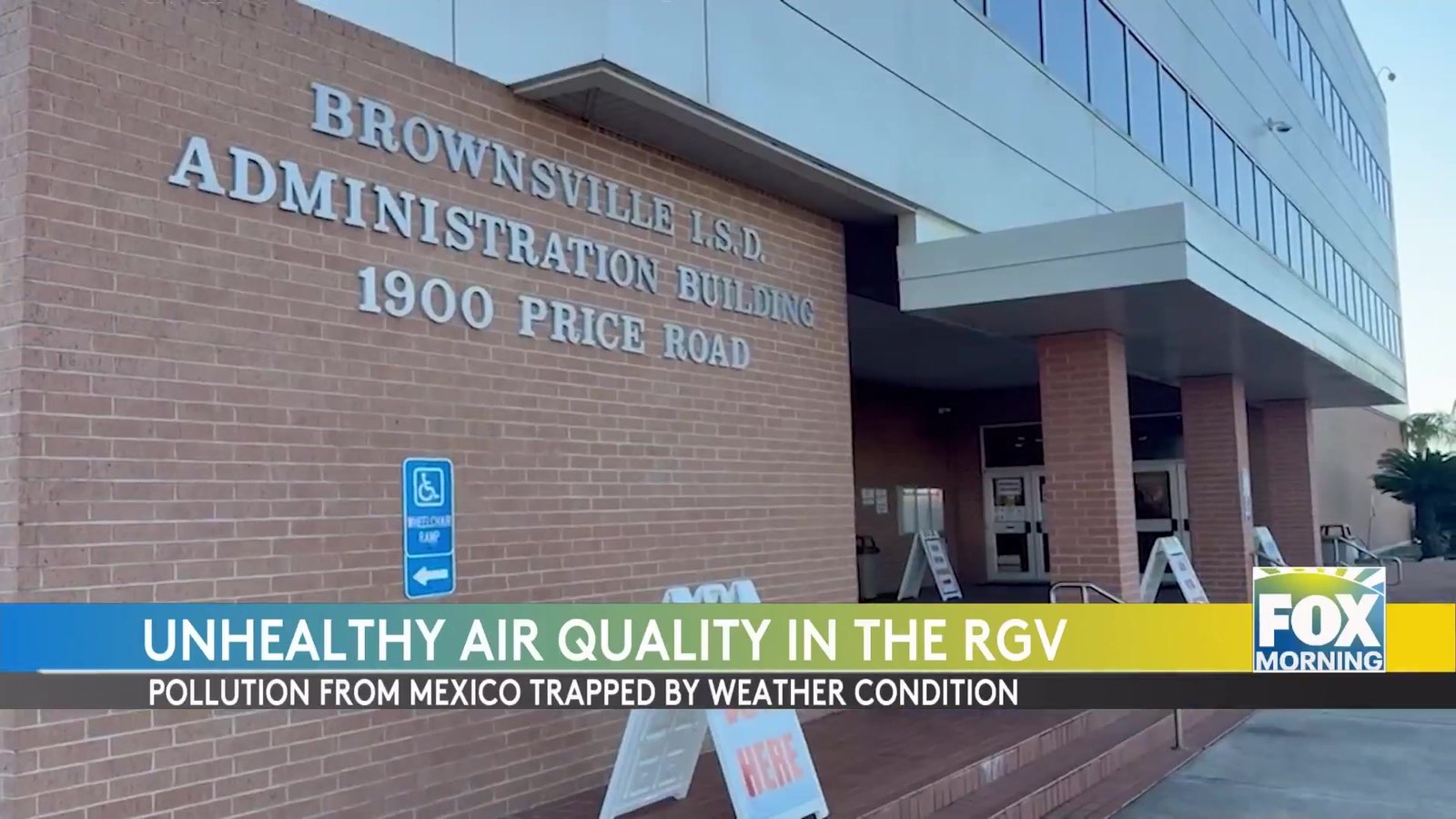
Unhealthy Air Quality in the Rio Grande Valley: Causes, Responses, and Recommendations
Residents of the Rio Grande Valley are grappling with worsening air quality as a thick haze, primarily consisting of pollution from across the Mexican border, envelops the region. This unsettling phenomenon has pushed air quality levels into the unhealthy range for sensitive groups, raising alarms among health agencies and environmental experts.
The Science Behind the Hazardous Haze
Meteorologists from the National Weather Service have attributed this concerning atmospheric event to strong winds driving pollutants across the border. Once these pollutants enter the region, they become trapped beneath an atmospheric inversion, a meteorological condition that inhibits their dispersal. As a result, the concentration of harmful particles increases significantly, posing health risks not only to the local ecosystem but also to vulnerable populations, including children, the elderly, and those with pre-existing respiratory conditions.
Health Implications of Poor Air Quality
The implications of poor air quality extend beyond environmental challenges; they present a serious public health crisis. Symptoms such as coughing, throat irritation, and difficulty breathing can emerge, particularly in individuals with existing health complications. It is crucial for those experiencing these signs to seek medical attention promptly.
Immediate Community Responses
The alarming air quality levels prompted swift reactions from educational institutions within the valley. Dr. Jesus Chavez, superintendent of the Brownsville School District, indicated that while no significant health issues have arisen among students thus far, precautions are being actively enforced. Should air quality deteriorate further, schools are prepared to keep students indoors and cancel outdoor activities to minimize exposure.
In parallel, local health officials have issued advisories to the public. Dr. Yvonne Melendez from the Hidalgo Health Authority recommends that residents, especially those in vulnerable health groups, limit outdoor activity. "Keeping windows and doors closed and using air purifiers can help maintain a safer indoor environment," she emphasized.
Key Recommendations for Residents
In light of the prevailing conditions, health professionals stress the importance of community awareness and resilience. Here are some practical recommendations for residents:
- Limit Outdoor Activities: It’s advisable to restrict outdoor exposure, especially during peak pollution hours.
- Monitor Air Quality Reports: Stay informed about real-time air quality updates via credible sources like the U.S. Environmental Protection Agency.
- Use Indoor Air Purifiers: Utilizing air purification systems can significantly improve indoor air quality during pollutive events.
- Seek Medical Attention for Symptoms: If you experience health issues such as coughing or difficulty breathing, consult a healthcare provider.
Outlook and Future Monitoring
While the National Weather Service forecasts potential improvements in air quality as meteorological conditions shift, environmental authorities remain vigilant. They caution that similar atmospheric conditions may recur, urging the establishment of robust monitoring systems to combat cross-border pollution actively.
The Importance of Cross-Border Cooperation
Addressing air quality challenges in the Rio Grande Valley highlights the intricate relationship between environmental policy and public health. Ongoing cooperation between U.S. and Mexican environmental agencies is essential for creating comprehensive strategies aimed at preventing recurrences of hazardous air conditions.
Conclusion
As the Rio Grande Valley continues to face air quality challenges, it is imperative for residents to remain informed and proactive. Following expert recommendations and staying connected to reliable air quality resources ensures a community better equipped to handle environmental challenges. For the most authoritative updates, visit the U.S. Environmental Protection Agency website, which offers insights into real-time air quality levels and protective guidelines during pollution events.
