


Escalation of U.S.-Israeli Operations in Iran: A Comprehensive Overview
The recent escalation of military operations between the United States and Israel against Iran marks a significant moment in international relations, emphasizing military precision, strategic objectives, and geopolitical ramifications.
U.S. Secretary of Defense’s Statements on Operations
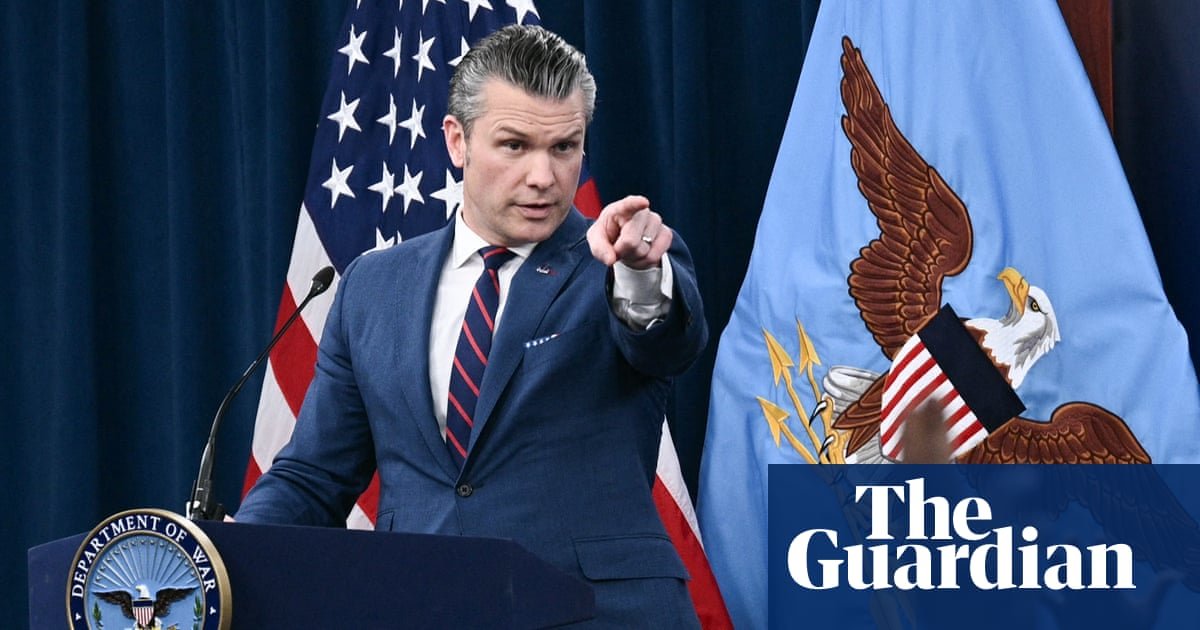
In a groundbreaking announcement, U.S. Secretary of Defense Pete Hegseth characterized the ongoing joint strikes as the “most lethal and precise air power campaign in history.” His remarks follow a series of targeted operations aimed at neutralizing key Iranian military capabilities. Hegseth made it clear that the U.S. does not aim for a democratic transition in Iran and refrained from providing a timeline for continuing operations.
Hegseth emphasized that while there are no “boots on the ground” in Iran, the nature of future actions remains ambiguous. Tragically, four U.S. service members lost their lives due to a ballistic missile that breached allied air defenses in the ongoing conflict.
President’s Stance on Future Military Actions
In the wake of these developments, President Donald Trump stated that he doesn’t rule out deploying U.S. ground troops in Iran if deemed necessary. In an interview with the New York Post, he expressed a non-conventional approach by stating, “I don’t have the yips with respect to boots on the ground,” contrasting typical presidential rhetoric that often avoids such commitments.
The Rationale Behind the Attacks
Preemptive Military Strategy
Secretary of State Marco Rubio clarified that the U.S. military action was prompted not by an active threat from Iran but by the anticipated retaliation following an Israeli-imposed strike aimed at assassinating Ayatollah Ali Khamenei. Rubio asserted the presence of an "imminent threat" and underscored that the U.S. was prepared to respond proactively rather than absorbing anticipated attacks. Reports had previously indicated that Iranian officials were preparing for a preemptive missile strike that posed a significant risk to U.S. interests in the region.
Defense Goals Outlined
At a Pentagon briefing, Hegseth outlined the core objectives of the U.S. military intervention:
- Destruction of Iran’s Naval Capabilities: Focused operations targeting Iranian naval forces.
- Neutralization of Ballistic Missile Production: Strategic strikes against missile facilities.
- Impediment of Nuclear Weapon Development: Preventive measures to thwart Iran’s nuclear ambitions.
Hegseth emphasized that the U.S. commitment would not devolve into a prolonged entanglement akin to Iraq, suggesting the military response would not linger indefinitely.
Tactical Details of the Operation
The United States has solidified its dominance in the airspace over Iran. General Dan Caine, chair of the Joint Chiefs of Staff, confirmed the establishment of local air superiority through effective suppression of Iranian air defenses. This included an intricate cyber-offensive that impaired Iranian communication networks, opening the pathway for approximately 100 aircraft—including bombers, tanks, and drones—to launch coordinated attacks.
Impacts on Oil Markets
As the conflict escalated, the market reacted with expectations of surging oil prices. Major shipping companies have halted operations in the Strait of Hormuz, further compounding geopolitical instability as Iran has retaliated with missile strikes against Israel, Saudi Arabia, and several neighboring countries.
The Message from U.S. Military Leadership
Hegseth, while defending the operations, asserted, “We didn’t start this war, but under President Trump, we’re finishing it.” He labeled the campaign a necessary military doctrine aimed at addressing long-standing threats rather than a quest for regime change.
The Pentagon’s briefing underscored a shift in military engagement where traditional ally dynamics are tested. Hegseth ridiculed conventional allies who hesitate to use force, describing a paradigm where U.S. operations are conducted “all on our terms.”
Concluding Remarks on U.S.-Iran Relations
As the U.S. military actions in Iran unfold, the implications for both national security and the regional balance of power become evident. Hegseth’s comments hint at a military mindset that prioritizes rapid and decisive action over hesitant diplomatic efforts.
The ongoing situation will continue to evolve, presenting new challenges and necessitating proactive responses from global powers. As military operations persist, attention shifts to the intended outcomes and the strategic long-term vision for U.S. interests in the Middle East.
For further updates and analysis on this subject, refer to primary news sources covering the U.S.-Iran relations. For additional context regarding military strategies, you can also explore this detailed overview.
Stay informed on this critical geopolitical issue as it develops.
