


Tragic Events Spark Concerns Over Federal Immigration Tactics in Texas
Recent Shooting Raises Alarm
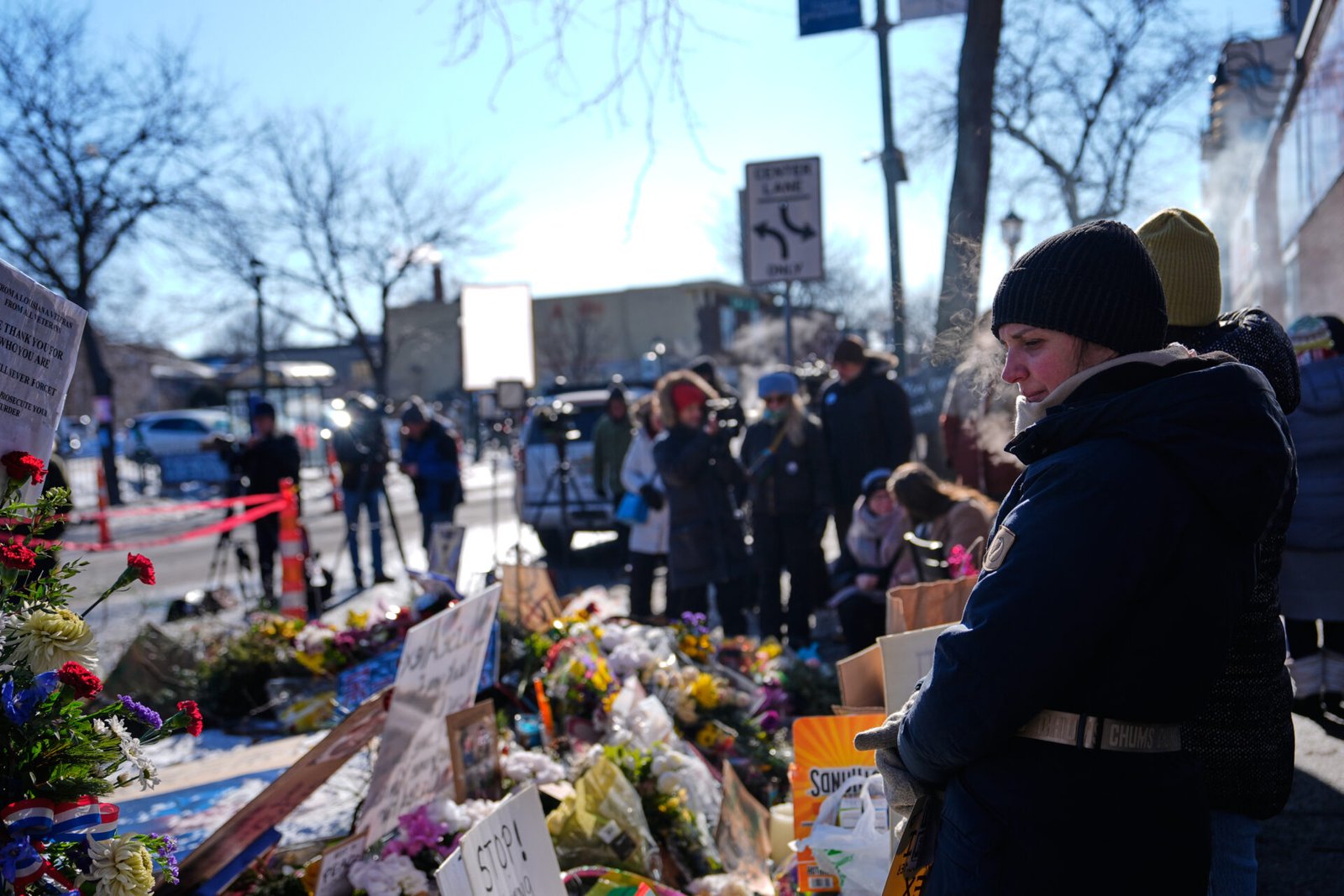
In the wake of a shocking incident in Minneapolis where U.S. citizens Renee Good and Alex Pretti were shot by federal immigration authorities, residents and officials across the country are left grappling with a profound sense of distrust toward their government. This incident has particularly resonated in the Rio Grande Valley (RGV), an area long impacted by controversial federal immigration policies.
The shooting has sparked unease among local leaders, with many questioning the tactics employed by federal enforcement agencies. Reports of federal agents targeting demonstrators have prompted a wave of protests and candlelight vigils, as community members express solidarity with the victims and raise their voices against aggressive immigration enforcement.
Local Officials Respond to Growing Anxiety
Cameron County Judge Eddie Treviño has been at the forefront of these discussions. Following the shooting of Alex Pretti, he voiced concerns regarding the federal tactics used in immigration operations. In his recent meetings with the Department of Homeland Security (DHS), he aimed to gain clarity and reassurances about local enforcement actions.
Treviño confirmed that federal officials have assured him their operations are targeted, specifically focusing on individuals with known legal issues. However, many in the community remain skeptical, questioning whether this is truly the case or if broad and indiscriminate enforcement is the norm.
Concerns About Communication with ICE
Local leaders like Hidalgo County Judge Richard F. Cortez have echoed Treviño’s sentiments, noting a significant gap in communication with federal agencies in previous administrations. They highlighted that in the past, dialogues were primarily centered around migrant surges rather than enforcement actions. Recently, however, Treviño noted that the number of ICE agents in the Valley has doubled within a year, raising additional questions about the federal government’s intentions.
“I did not see the need for an increase in agents,” Treviño stated, reflecting widespread concern about the implications of this surge for local communities. Furthermore, he acknowledged a detrimental "chilling effect" that federal operations have had on local economies, particularly in the construction industry.
Public Outcry and Protests
In response to the recent events, grassroots movements have organized protests and vigils, illustrating the community’s determination to take a stand. The For The People Alliance, a local advocacy group, has been pivotal in mobilizing these efforts to raise awareness and express grief over the loss of life due to aggressive immigration tactics.
Amani Newman, a member of the alliance, emphasized the emotional toll of these incidents: "Someone died at the hands of an ICE agent, and a lot of people are upset about it." Protests have served as a platform for residents to voice their frustrations with the federal government’s heavy-handed approach to immigration enforcement.
Misinformation and Public Perception
Treviño has also addressed the rampant misinformation circulating on social media regarding increased immigration officers in the region. He reported that federal officials clarified these were merely routine personnel changes, not a surge in enforcement activities. This underscores the necessity for transparent communication between federal authorities and local officials to maintain public trust.
“If there is any general profiling taking place, then we will definitely raise that concern with them right away,” Treviño asserted, indicating the need for vigilance moving forward.
Understanding the Broader Implication
The ongoing discussions surrounding immigration practices are integral as they reflect a broader national dialogue on how enforcement actions are carried out. Community leaders and local residents alike are compelled to scrutinize these operations for their implications on civil rights and public safety.
A Shift in Federal Strategy?
The recent assertiveness from local officials mirrors an underlying anxiety about the potential consequences of federal decision-making at the local level. Interviews with judges have revealed concerns regarding ICE’s operations and their potential association with racial profiling, inviting scrutiny over constitutional rights.
“It appears that ICE has taken the position that if you look a certain way, or if your skin is a particular shade, then you’re susceptible to not being a U.S. citizen,” Treviño remarked, illustrating the challenges faced by immigrant communities in the region.
Conclusion: The Path Forward
As local officials in the Rio Grande Valley continue to navigate the complexities of federal immigration enforcement, the community remains watchful. With ongoing protests and a rising tide of public sentiment against aggressive tactics, both Treviño and Cortez are seeking to establish channels of communication that prioritize transparency and respect for the rights of all individuals.
The tragic events surrounding Renee Good and Alex Pretti serve as a stark reminder of the need for humane and just approaches to immigration policy, emphasizing the critical role that local communities play in advocating for change. The stakes are high, and their voices are vital in shaping a future that prioritizes justice and unity amid a backdrop of uncertainty.
For more information on immigration policy and enforcement, visit the Department of Homeland Security.
