


COVID-19 Crisis in the Rio Grande Valley: Facing the Surge
The Rio Grande Valley in Texas is currently grappling with a staggering increase in COVID-19 cases. This predominantly Hispanic region, which comprises Cameron, Hidalgo, Starr, and Willacy counties, has seen infections soar, raising alarms about the impact on local healthcare facilities. With nearly every bed filled at the Doctors Hospital at Renaissance in Edinburg, the situation has become critical.
A Night in the COVID Ward
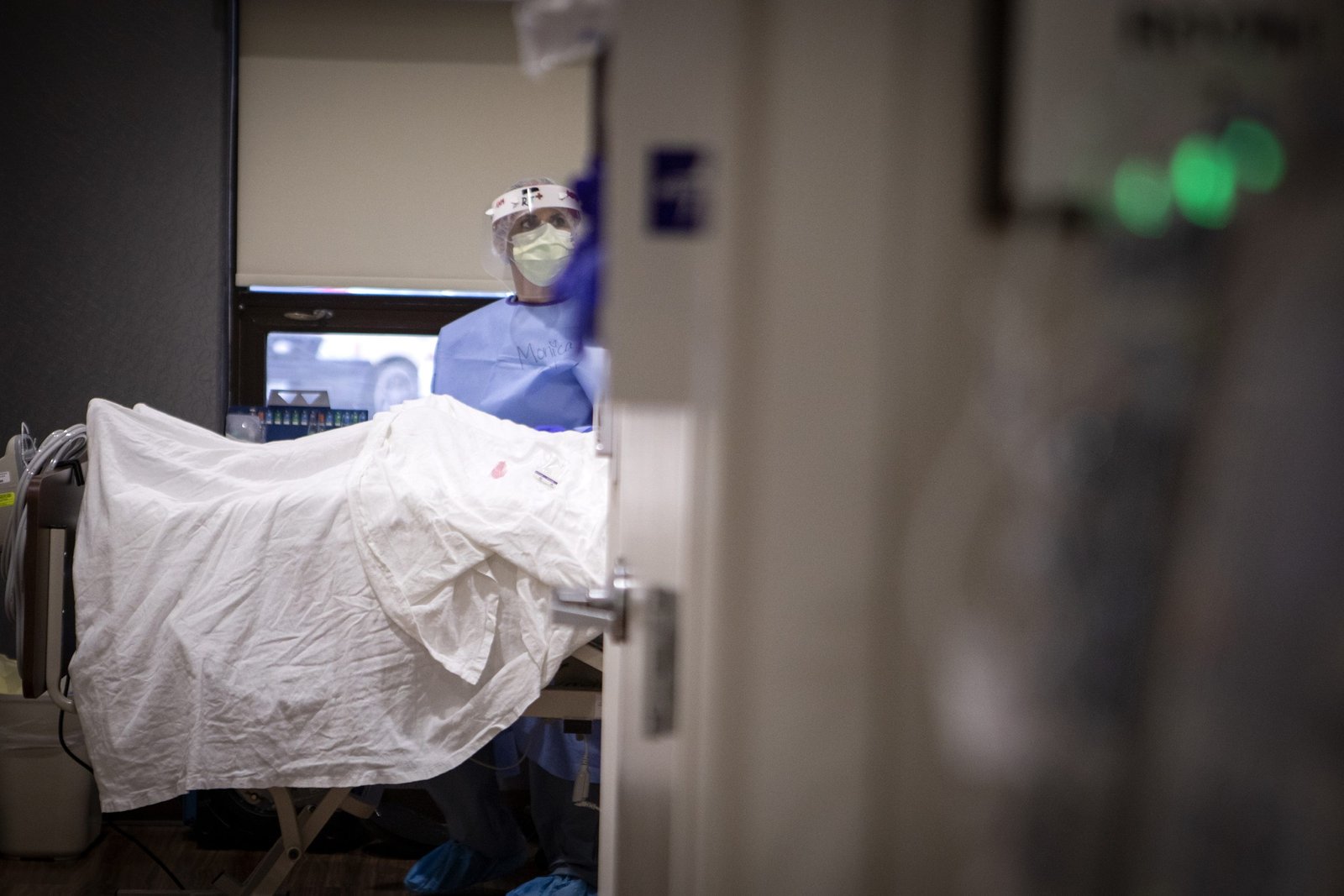
At the stroke of midnight, the hospital’s makeshift COVID unit, previously a hospice center, serves as home to some of the most severely affected patients. Many individuals are heavily sedated, intubated, and connected to various life-support machines. The ward’s layout includes individual rooms and shared areas, indicating both the crisis and the adaptability of healthcare systems in emergency situations.
Uncertainty in Patient Care
As the clock ticks past 11 p.m., the healthcare staff are left wondering how many more patients will arrive. Amidst a chaotic environment filled with the sounds of beeping machines, a nurse expresses concern over the influx of new cases. Some patients will recover and return home, but others face a more tragic outcome.
According to hospital statistics, COVID-19 cases have surged from 1,391 to over 7,600 within just a few weeks. As more patients seek emergency care, healthcare workers, such as nurses and doctors, find themselves stretched thin, often forced to take on additional hours and provide care for more patients than usual.
The Magnitude of the Crisis
Local officials have called for urgent action. Governor Greg Abbott directed medical facilities in the region to cease elective procedures, thereby freeing hospital beds for COVID-19 patients. This response is in light of the growing evidence that hospitals are nearing full capacity and struggling to keep pace with demand.
Families Affected by COVID-19
At this hospital, families are not just a secondary concern; they are an integral part of the care dynamic. As several patients come in from the same family, the emotional toll on medical staff grows. Many healthcare providers have expressed feelings of helplessness and trauma induced by the suffering they witness daily.
Systemic Inequities and Healthcare Disparities
The U.S. Centers for Disease Control and Prevention (CDC) has reported that Hispanics face a hospitalization rate for COVID-19 that is roughly four times higher than that of white individuals. This trend underscores the longstanding systemic health and social inequalities that affect this community.
Health Statistics in the Valley
With a median household income of about $34,000, many residents suffer from underlying health conditions such as diabetes and hypertension, which increase the likelihood of severe COVID-19 complications. Efforts to curtail the virus’s spread in the early months of the pandemic included mandates to stay home and enforced checkpoints. However, recent spikes in cases have coincided with the loosening of restrictions.
Exhaustion Among Healthcare Providers
Nurses and doctors report long hours of demanding shifts, often with insufficient rest in between. The pressure to care for patients those locked in the struggle against COVID-19 compounds the mental and emotional strain felt by these healthcare heroes.
Personal Protective Equipment: A Constant Concern
Since March, DHR Health has invested $9 million in transforming its facilities to accommodate the influx of COVID-19 patients. Staff members are encouraged to conserve personal protective equipment (PPE), with creative solutions like individual biohazard bags for reusing face masks.
Local Response and Support
Hidalgo County officials, recognizing the growing crisis, have sought state assistance while implementing measures such as a curfew to deter gatherings. Congressman in the area have also advocated for deploying the National Guard to assist with healthcare needs.
The Battle Continues
Despite the exponential rise in patient numbers, the healthcare staff remain resolute. Even in the face of adversity, their dedication shines through as they treat each patient with empathy and care. As communities band together to face the pandemic, it is crucial to understand the systemic challenges and emotional burdens carried by healthcare workers.
Conclusion: An Ongoing Battle
The COVID-19 crisis in the Rio Grande Valley serves as a poignant reminder of the ongoing battle against a relentless pandemic. As healthcare systems adapt to rising demands, it becomes increasingly vital to address both the health disparities that exist in vulnerable populations and the emotional toll on those tasked with caring for the sick.
With the awareness raised about these challenges, community members are encouraged to engage in safety protocols, get vaccinated, and support local health initiatives to combat this crisis more effectively.
Learn More
For a deeper understanding of the ongoing COVID-19 situation in Texas, sign up for updates here.
External Resources
- CDC on Hispanic COVID-19 Hospitalization Rates
- Texas Health and Human Services
- State of Texas COVID Updates
By staying informed and advocating for change, individuals can contribute to a health-focused response to this ongoing global challenge.
